

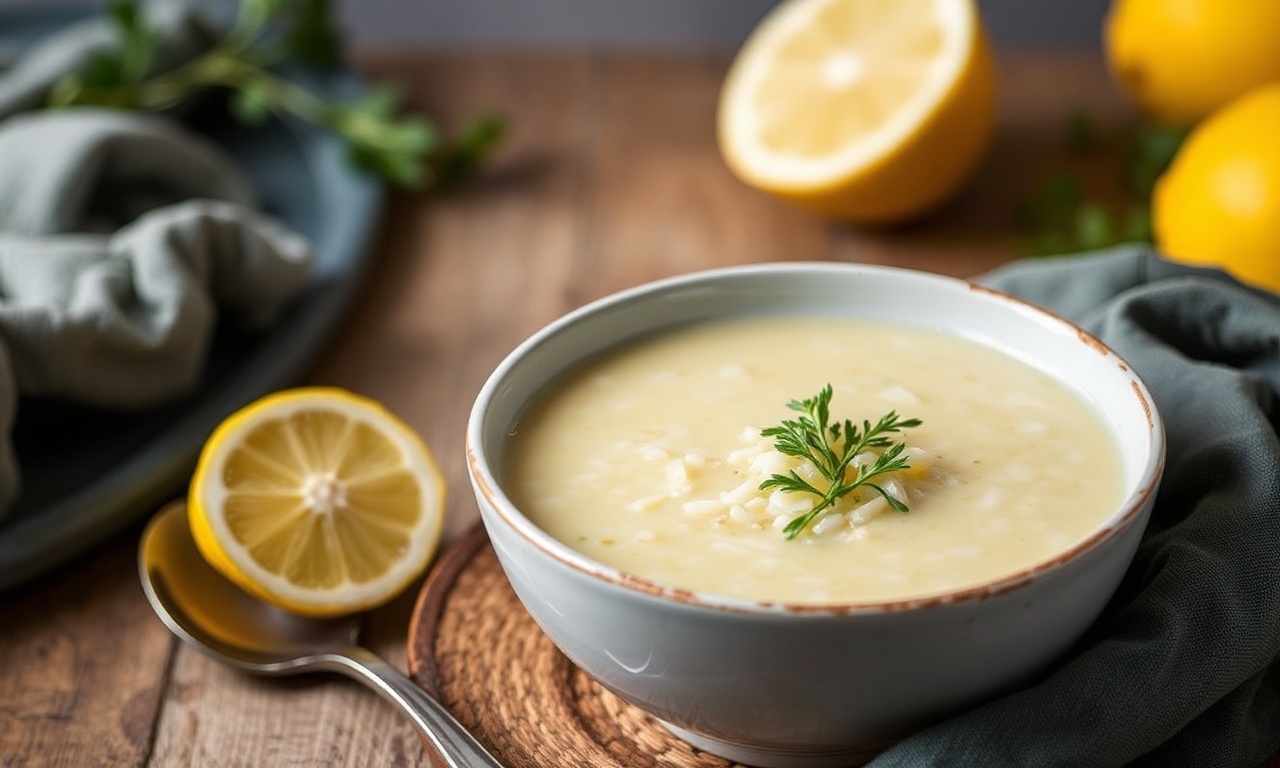
There’s something undeniably comforting about a warm bowl of soup—a soothing elixir that feels like a hug from the inside. Among the diverse mix of Mediterranean cuisine, few dishes capture this feeling as effortlessly as Avgolemono, the classic Greek Lemon rice soup. Velvety and luminous, this timeless recipe marries tangy lemon, delicate chicken broth, and tender rice in a silky egg-thickened broth that dances on the palate.
When it comes to Greek Lemon, More than just a soup, Avgolemono is a soulful tradition passed down through generations, embodying the heart of Greek hospitality and home cooking. Join us as we explore the origins, secrets, and simple elegance of this beloved dish, and discover how to bring a taste of Greece’s sun-kissed kitchens into your own home.
This Greek Lemon rice soup offers an unparalleled experience of comfort fused with bright, zesty notes that enliven the soul. This classic dish, rooted in customary Mediterranean kitchens, speaks to generations of Greek families who know that transforming simple pantry staples into a lusciously creamy yet light soup is nothing short of an art.
In the context of Greek Lemon, The secret lies in achieving the perfect velvety texture in avgolemono, which requires patience, timing, and an understanding of the delicate balance between heat and flavor. The interplay of warm chicken broth, fluffy rice, and a creamy egg-lemon emulsion creates a soup that’s honestly more like an edible hug. As you take each spoonful, the brightness of freshly squeezed lemon cuts through, adding a vibrant lift that keeps every bite fresh and unforgettable.
Greek Lemon: Prep and Cook Time for Avgolemono
- Preparation Time: 15 minutes
- Cooking Time: 30 minutes
- Total Time: 45 minutes
Yields
- Serves: 4 to 6 generous bowls
Difficulty Level
- Easy to Medium – perfect for home cooks looking to master a meaningful, traditional soup
Ingredients for Greek Lemon Rice Soup
- 6 cups homemade or low-sodium chicken broth
- 1/2 cup medium-grain rice, rinsed
- 3 large eggs, at room temperature
- 1/3 cup freshly squeezed lemon juice (about 2 lemons)
- 2 tablespoons cold water
- 1 teaspoon kosher salt, or to taste
- Freshly cracked black pepper, to taste
- Optional garnish: chopped fresh dill or parsley
Instructions to Make Avgolemono
- Heat the broth: In a large saucepan, bring the chicken broth to a gentle simmer over medium heat.
- Add rice and cook: Stir in the rinsed rice, reducing heat to medium-low. Simmer uncovered, stirring occasionally, until the rice is tender (about 20 minutes). Watch carefully to prevent sticking.
- Prepare the avgolemono mixture: While the rice cooks, crack the eggs into a medium bowl. Beat gently until smooth.
- Temper the eggs: Add the cold water to the eggs and whisk to combine. Slowly drizzle in 1 cup of hot broth while continuously whisking. This step prevents curdling and creates creaminess.
- Add lemon juice: Whisk the fresh lemon juice into the tempered egg mixture. This bright, citrusy blend is the heart of the velvety Greek lemon rice soup’s signature flavor.
- Combine and thicken: Remove the pot from heat. Slowly pour the egg-lemon mixture back into the pot of hot broth and rice, stirring continuously to incorporate fully.
- Heat gently: Return the soup to low heat for 3-5 minutes, stirring constantly. Do not boil. Heating gently is paramount to achieving silky smooth results without scrambling the eggs.
- Season and serve: Season with kosher salt and freshly ground black pepper to taste. Ladle into bowls and garnish with fresh dill or parsley if desired.
Why Greek Lemon Avgolemono Matters: Tips for Success
- Room temperature eggs: Using eggs at room temperature helps them blend smoothly, preventing shock from the hot broth.
- Slow tempering: Take your time when adding the hot broth to the eggs—a slow drizzle with constant whisking is key for silky texture.
- Never boil after adding avgolemono: Boiling forces eggs to curdle, so always keep the soup below a simmer during finishing.
- Adjust lemon brightness: Start with 1/3 cup fresh lemon juice and tweak to your taste. Always use fresh over bottled for that unmistakable vibrant zing.
- Rice alternatives: Medium-grain rice is preferred for creaminess, but orzo pasta or small pearl barley can offer delightful variations.
- Make-ahead tip: Prepare the rice in broth ahead of time. Reheat gently and add the avgolemono mixture just before serving for optimal freshness.
Serving Suggestions for Greek Lemon Rice Soup
- Serve this velvety Greek lemon rice soup in rustic bowls to enhance its comforting appeal.
- Pair with crusty artisan bread or warm pita for dipping.
- Garnish with a sprig of fresh dill or chopped parsley and a thin lemon wheel to highlight the bright flavors visually.
- A drizzle of good quality extra virgin olive oil adds a luscious finish and depth.
- For a heartier meal, accompany with a Greek salad or lemon-roasted chicken.
| Nutritional Info (per serving) | Amount |
|---|---|
| calories | 180 kcal |
| Protein | 10 g |
| Carbohydrates | 18 g |
| Fat | 6 g |
Around Greek Lemon, Explore our authentic Greek chicken dishes for complementary meal ideas that pair wonderfully with this flavorful soup.
For a detailed history and cultural insights on avgolemono, visit Wikipedia.

Q&A: Avgolemono – The Classic Greek Lemon Rice Soup
Regarding Greek Lemon, Q1: What is Avgolemono, and why is it so beloved in Greek cuisine?
A: Avgolemono literally means “egg and lemon” in Greek, and it describes a luscious, creamy sauce made from beaten eggs and fresh lemon juice. When stirred into hot broth, it magically transforms simple ingredients into a velvety, tangy soup that’s both comforting and uplifting. This classic technique has been cherished in Greek kitchens for centuries, celebrated for its bright flavor and silky texture.
When it comes to Greek Lemon, Q2: What makes Avgolemono soup different from other lemon soups?
A: Unlike typical lemon soups that rely on cream or dairy for richness, Avgolemono achieves its luxurious texture solely through the emulsion of eggs and lemon. This creates a silky, custard-like consistency that is surprisingly light but deeply satisfying. The subtle tang of lemon balances perfectly with the gentle thickness of the eggs and broth, setting it apart from heavier lemon soups.
In the context of Greek Lemon, Q3: Can I use different types of broth for this soup?
A: Absolutely! While traditional Avgolemono uses chicken broth for its savory depth, vegetable broth is an excellent option for a vegetarian version that still provides rich flavor. The key is to use a good-quality, flavorful broth since it’s the foundation of the soup. The balance of the broth with lemon and egg is what makes the soup truly sing.
Q4: How do you prevent the eggs from curdling when making Avgolemono?
A: The secret lies in a gentle, patient technique called tempering. You slowly whisk a ladle of hot broth into the beaten eggs and lemon mixture, raising the temperature gradually. Then, you pour this warmed mixture back into the pot over low heat, stirring constantly. This careful process keeps the eggs from scrambling and ensures the soup’s signature silky texture.
Q5: What kind of rice is best to use in Avgolemono soup?
A: Short-grain or medium-grain rice varieties, such as Arborio or Calasparra, work best because they release more starch as they cook, lending natural creaminess to the broth. The rice should be cooked until tender but not mushy, so it complements rather than overwhelms the soup.
Q6: Can Avgolemono be served hot and cold?
A: Traditionally, Avgolemono is enjoyed warm, embracing its role as a cozy comfort food, especially during cooler months or when feeling under the weather. However, some creative cooks serve it chilled as a refreshing, lemony broth in summertime, offering a lighter way to savor its vibrant flavors.
Q7: Are there any classic Greek dishes that pair well with Avgolemono soup?
A: Yes! Avgolemono makes a perfect starter alongside dishes like grilled vegetables, stuffed grape leaves (dolmades), or a simple Greek salad with olives and feta. Its bright acidity and creaminess prepare the palate beautifully for heartier mains such as roasted lamb or vegetable moussaka.
Q8: Is Avgolemono soup suitable for special diets, such as gluten-free or dairy-free?
A: Definitely! Avgolemono is naturally gluten-free since it relies on rice and broth rather than wheat-based thickeners. It’s also dairy-free because the creamy texture comes solely from eggs and lemon. Just be sure to check your broth ingredients if store-bought, to avoid hidden gluten or dairy.
Q9: What tips help maximize the lemon flavor without overpowering the soup?
A: Freshly squeezed lemon juice is essential—bottled lemon juice lacks brightness and can taste flat. Start with a modest amount, then taste and adjust gradually, aiming for a lively but balanced tartness. The soup’s gentle egg base mellows the lemon’s sharpness, so that harmonious balance is key.
Q10: Can I add herbs or vegetables to the Avgolemono soup?
A: Absolutely! Traditional herbs like fresh dill or parsley add fresh, aromatic notes that complement the lemon beautifully. Some cooks add finely diced carrots or celery early during cooking for extra flavor and texture. Just be mindful to keep the additions subtle so they enhance rather than overshadow the soup’s delicate character.
This Q&A shines a light on the magic behind the classic Greek Avgolemono soup—a timeless recipe that blends simplicity, elegance, and bright flavors into one unforgettable spoonful.
In Conclusion
As you savor the last comforting spoonful of this velvety Greek lemon rice soup, you’re not just enjoying a meal—you’re partaking in a timeless tradition that has warmed tables for generations. The classic avgolemono recipe, with its harmonious blend of tangy lemon, creamy eggs, and tender rice, offers more than flavor; it delivers a nourishing embrace that transcends cultures and seasons. Whether served as a soothing starter or a light main dish, this soup captures the essence of Greek hospitality and culinary artistry. So next time you crave a taste of Mediterranean sunshine in a bowl, remember that avgolemono isn’t just soup—it’s a heartfelt story waiting to be shared.
See also: Greek Lemon