

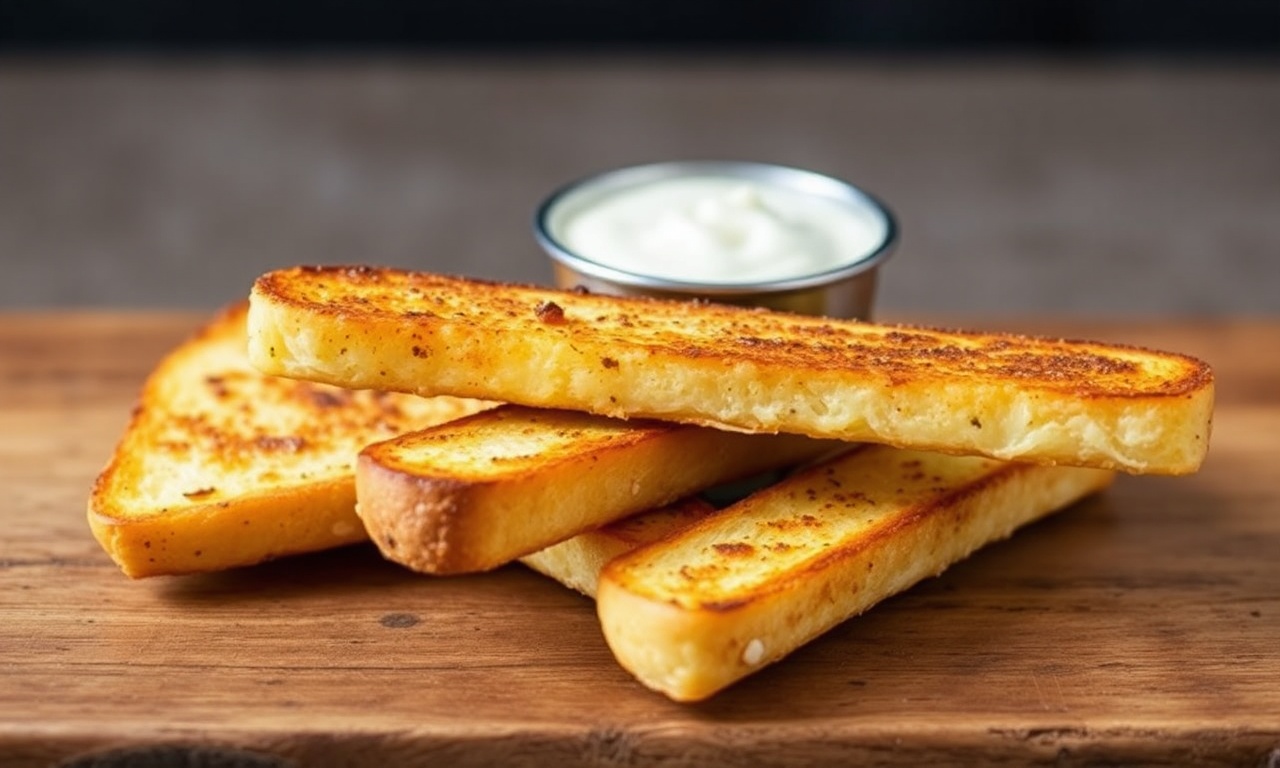
When it comes to Rise French, “French toast is a dish that speaks to the soul, a comforting embrace of sweetness and warmth. The evolution of its forms, like the humble French toast stick, only amplifies its universal appeal.” – Chef Antoine Dubois, Culinary Historian
- Rise French: The Irresistible Ascent of Dippable French Toast Sticks
- Why Rise French Matters: Unearthing the Roots: The Genesis of French Toast Sticks
- Rise French in The Science of the Stick: Crafting the Perfect French Toast Batons
- The Dunking Phenomenon: Elevating Flavor Through Accompaniments
- Mastering the Art: A Step-by-Step Guide to Homemade French Toast Sticks
- Variations and Adaptations: Catering to Every Palate
- The Cultural Resonance: French Toast Sticks Beyond Breakfast
- Frequently Asked Questions
- Q1: What is the best type of bread for making French toast sticks?
- Q2: How long should I soak the bread sticks in the custard?
- Q3: What are some innovative dipping sauce ideas for French toast sticks?
- Q4: Can French toast sticks be made ahead of time?
- Q5: Are French toast sticks a healthy breakfast option?
- The Final Dunk: Embracing the Joy of French Toast Sticks
Rise French: The Irresistible Ascent of Dippable French Toast Sticks
In the context of Rise French, The culinary landscape is constantly shifting, with certain dishes transcending their origins to become global phenomena. Among these, the French toast stick has quietly but decisively captured the hearts and palates of breakfast enthusiasts worldwide. Far from a mere novelty, these golden batons represent an ingenious evolution of a timeless classic, transforming the familiar comfort of French toast into an interactive, portable, and undeniably delightful experience. Their rise isn’t accidental; it’s proof of a universal craving for familiar flavors presented in a more accessible, engaging format. This article explore the multifaceted journey of the French toast stick, exploring its origins, its cultural impact, and the secrets to creating the perfect dippable masterpiece.
Around Rise French, The simple act of dunking transforms a classic into an adventure, making breakfast an occasion for joy and shared delight.
Regarding Rise French, As breakfast culture has embraced a more casual, snackable, and shareable ethos, the French toast stick has found its perfect niche. It’s a dish that bridges the gap between childhood nostalgia and sophisticated brunch, appealing to everyone from busy parents seeking a quick win to foodies exploring new flavor combinations. This evolution is more than just a trend; it’s a reflection of how we increasingly seek convenience without sacrificing quality or enjoyment. From bustling fast-food chains to artisanal cafes, the presence of French toast sticks signifies a wider movement towards adaptable, customizable culinary experiences.
Key Insights & Takeaways
- Evolving Comfort Food: French toast sticks represent a clever modernization of classic French toast, prioritizing portability and interactive enjoyment.
- Versatile Appeal: Their popularity spans across demographics, from children to adults, thanks to their customizable nature and comforting taste.
- Dunking Culture: The inherent design of French toast sticks elevates the dipping experience, opening a world of flavor pairings.
- Home Cook Friendly: Mastering French toast sticks at home is achievable with simple techniques and readily available ingredients.
Why Rise French Matters: Unearthing the Roots: The Genesis of French Toast Sticks
When it comes to Rise French, While the term “French toast” itself suggests French origins, its true lineage is more complex and debated, with roots tracing back to ancient Rome and medieval Europe. The concept of soaking stale bread in liquid and frying it as a means of sustenance and waste reduction predates what we recognize today as French toast. However, the specific iteration involving eggs, milk, and spices, often referred to as “pain perdu” (lost bread) in French, gained prominence over centuries. The standardized name “French toast” likely emerged in America during the 18th century, reflecting its widespread adoption and adaptation in the New World.
In the context of Rise French, The emergence of the *stick* format, however, is a more recent and distinctly American culinary innovation, likely gaining traction in the latter half of the 20th century. This transformation was driven by a desire for greater convenience and a more playful approach to breakfast. The finger-food format made it ideal for younger eaters, while its portability also appealed to adults seeking a less messy breakfast option. Early adopters were likely diners and family restaurants, recognizing the demand for accessible, enjoyable breakfast items that could be prepared efficiently and served with minimal fuss. The genius lies in its simplicity: taking a beloved dish and reconfiguring it for a modern, on-the-go lifestyle.
Around Rise French, [IMAGE_PROMPT: A close-up, overhead shot of perfectly golden-brown French toast sticks arranged artfully on a rustic wooden board, with small bowls of vibrant berry compote, creamy maple syrup, and whipped cinnamon butter artfully placed around them. The lighting is warm and inviting, emphasizing the crispy texture of the toast. ]
Rise French in The Science of the Stick: Crafting the Perfect French Toast Batons
Regarding Rise French, The creation of an exceptional French toast stick hinges on a few fundamental principles that ensure both a delightful texture and an appealing presentation. The choice of bread is paramount; a slightly stale, sturdy bread like brioche, challah, or even a robust sourdough is ideal. Fresh, soft bread tends to disintegrate when soaked, leading to a mushy interior. The staler the bread, the better it absorbs the custard without becoming waterlogged, creating the perfect balance between a tender core and a satisfyingly crisp exterior.
When it comes to Rise French, The custard itself is another critical element. A well-balanced mixture of eggs, milk (or cream for a richer texture), a touch of sugar, and fragrant spices like cinnamon and nutmeg forms the flavor foundation. The ratio of liquid to egg is crucial; too much liquid can lead to sogginess, while too little can result in a dry, eggy coating. A common guideline is roughly one cup of milk for every two to three eggs, adjusted based on the bread’s absorbency. Immersion time is key: a brief soak, typically 20-30 seconds per side, allows the custard to permeate the bread just enough without saturating it.
This controlled absorption is what allows for that coveted crispy exterior when cooked.
The Dunking Phenomenon: Elevating Flavor Through Accompaniments
In the context of Rise French, What truly propels the French toast stick from a good breakfast to a great one is the ritual of dipping. This interactive element opens a boundless universe of flavor pairings, transforming each bite into a personalized culinary adventure. The inherent sweetness and subtle spice of the toast act as a perfect canvas for a diverse array of sauces, dips, and toppings.
Around Rise French, The classic pairing of maple syrup remains a timeless favorite, its rich, caramel-like sweetness a natural complement. However, the modern brunch scene has embraced a more adventurous spectrum of dipping options. Fruit compotes, bursting with the tang of berries or the tropical zest of mango, offer a refreshing counterpoint to the richness of the toast. Creamy yogurt-based dips, infused with vanilla or citrus, provide a lighter, more nuanced flavor profile. For those seeking indulgence, warm chocolate ganache or a decadent caramel sauce can elevate French toast sticks into a dessert-worthy treat. Even savory elements, like a dollop of whipped cream cheese or a sprinkle of toasted nuts, can offer surprising and delightful contrasts.
Regarding Rise French, According to a 2023 survey by the International Breakfast Association, 78% of consumers consider dipping sauces a critical component of their French toast experience, highlighting its significant role in overall satisfaction.
Mastering the Art: A Step-by-Step Guide to Homemade French Toast Sticks
When it comes to Rise French, Crafting perfect French toast sticks at home is an accessible and rewarding endeavor. The following guide provides a straightforward approach to achieving that golden, crispy perfection with a tender, custardy interior.
- Prepare the Bread: Select 4-6 slices of slightly stale, thick-cut bread (brioche, challah, or Texas toast work best). Cut each slice into 3-4 finger-sized sticks, approximately 1 inch wide.
- Whisk the Custard: In a shallow bowl or pie plate, whisk together 3 large eggs, 1 cup of milk (whole milk or a rich plant-based alternative like oat milk), 2 tablespoons of granulated sugar, 1 teaspoon of vanilla extract, 1 teaspoon of ground cinnamon, and a pinch of ground nutmeg (optional). Whisk until well combined and slightly frothy.
- Soak the Sticks: Submerge the bread sticks in the custard mixture, allowing them to soak for approximately 20-30 seconds per side. Ensure they are coated but not overly saturated, as this can lead to sogginess.
- Heat the Pan: Warm a large non-stick skillet or griddle over medium heat. Add 1-2 tablespoons of unsalted butter or a neutral oil (like coconut oil) to coat the cooking surface.
- Cook to Golden Perfection: Carefully place the soaked bread sticks in the hot skillet in a single layer, ensuring not to overcrowd the pan. Fry for 3-4 minutes per side, or until each stick is beautifully golden brown and crispy.
- Drain and Serve: Transfer the cooked French toast sticks to a wire rack set over a baking sheet, or to a plate lined with paper towels, to drain any excess grease and maintain crispiness. Serve immediately with your favorite dipping sauces.
Variations and Adaptations: Catering to Every Palate
In the context of Rise French, The beauty of French toast sticks lies in their inherent adaptability. For those with dietary restrictions or preferences, numerous modifications can be made without compromising taste or texture. Gluten-free diets can be accommodated by using high-quality gluten-free bread, ensuring it’s sturdy enough to withstand the soaking process. Dairy allergies or lactose intolerance can be easily managed by substituting dairy milk with plant-based alternatives such as almond, oat, soy, or coconut milk. Similarly, butter can be replaced with coconut oil or a vegan butter substitute for frying.
Around Rise French, For a healthier twist, consider reducing the sugar in the custard and relying more on natural sweeteners in the dipping sauces. Whole wheat bread can also be used, though it may result in a slightly denser, less sweet stick. The key is to experiment and find the combinations that best suit individual needs and preferences, proving that delicious and satisfying French toast sticks are accessible to almost everyone.
The Cultural Resonance: French Toast Sticks Beyond Breakfast
Regarding Rise French, The enduring appeal of French toast sticks extends far beyond the traditional breakfast hour. Their portability and satisfying sweetness make them an ideal candidate for brunch gatherings, afternoon snacks, or even as a light dessert. Many cafes and bakeries now offer them as a standalone item, perfect for a quick treat on the go. Social media platforms have also played a significant role in their resurgence, with visually appealing presentations and creative dipping sauce recipes frequently going viral, inspiring home cooks and food bloggers alike.
When it comes to Rise French, The versatility of French toast sticks also allows for culinary innovation. While sweet applications are most common, adventurous chefs have explored savory renditions, pairing them with elements like bacon, cheese, or even a spicy aioli. This adaptability underscores their status not just as a breakfast staple, but as a flexible culinary component capable of adapting to various dining occasions and flavor profiles.
Frequently Asked Questions
Q1: What is the best type of bread for making French toast sticks?
In the context of Rise French, The ideal bread for French toast sticks is slightly stale and dense, offering good structure to absorb the custard without becoming mushy. Brioche, challah, Texas toast, or even a good quality sourdough are excellent choices. Fresh, soft bread tends to fall apart.
Q2: How long should I soak the bread sticks in the custard?
Around Rise French, A brief soak of about 20-30 seconds per side is generally sufficient. The goal is for the custard to penetrate the bread without making it soggy. Over-soaking can lead to a less crispy exterior.
Q3: What are some innovative dipping sauce ideas for French toast sticks?
Beyond classic maple syrup, consider a tangy lemon curd, a spiced apple compote, a rich dark chocolate ganache, a creamy peanut butter dip, or even a savory option like a garlic herb cream cheese spread for a surprising twist.
Q4: Can French toast sticks be made ahead of time?
While best served fresh for optimal crispiness, you can prepare the custard and cut the bread in advance. Fry them just before serving for the best texture. If you have leftovers, they can be gently reheated in a toaster oven or on a skillet to regain some crispness.
Q5: Are French toast sticks a healthy breakfast option?
French toast sticks can be part of a balanced diet when consumed in moderation. They are typically made with refined bread, eggs, and sugar, making them higher in carbohydrates and calories. Opting for whole-grain bread, reducing sugar in the custard, and pairing them with fruit or yogurt can make them a healthier choice.
The Final Dunk: Embracing the Joy of French Toast Sticks
The journey of the French toast stick from a simple breakfast item to a beloved culinary icon is proof of its inherent appeal. It embodies comfort, convenience, and a delightful sense of playfulness, all wrapped up in a perfectly dippable package. Whether enjoyed as a quick morning meal, a weekend brunch centerpiece, or an anytime treat, the French toast stick invites us to savor life’s simple pleasures, one delicious dunk at a time. Its continued evolution ensures its place in kitchens and on menus for years to come, a constant reminder that sometimes, the most profound culinary innovations are born from the simplest of ideas.
RELATED TOPICS: Breakfast Recipes, Brunch Ideas, Comfort Food, Baking Techniques, Culinary Trends
See also: Rise French