

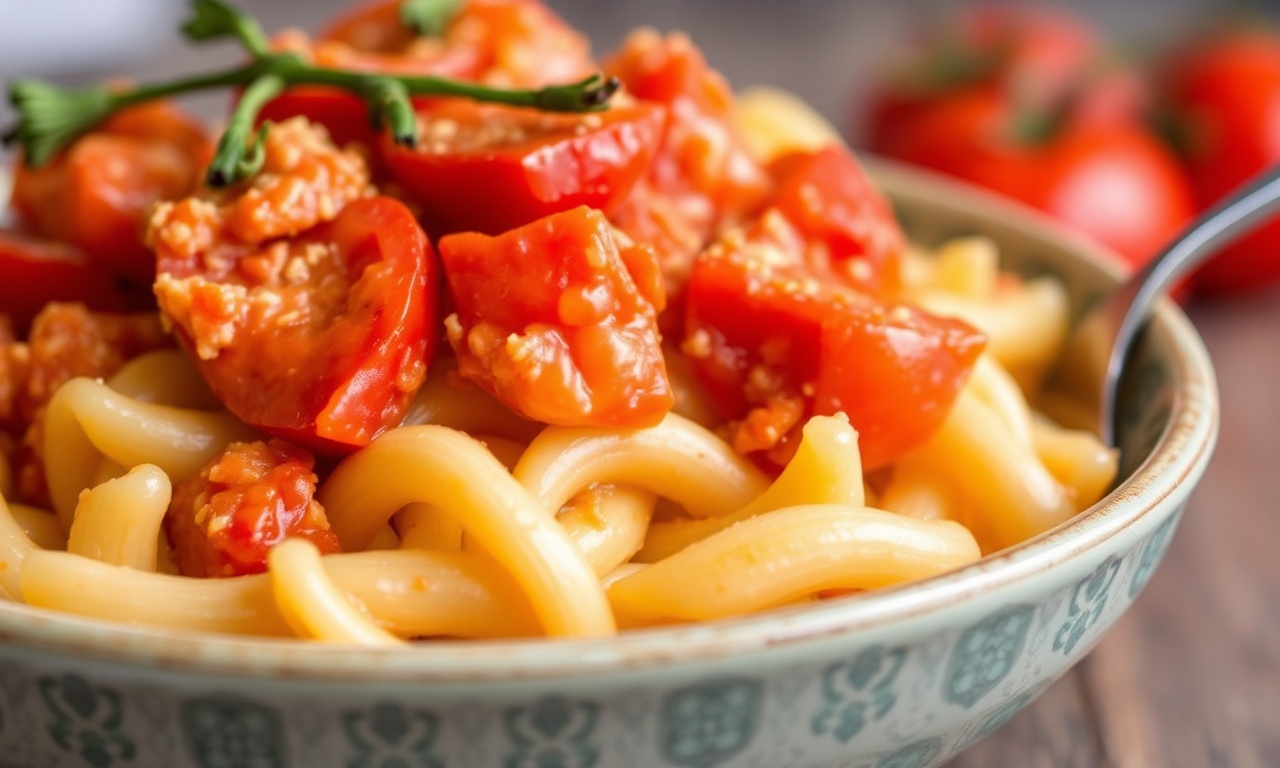
There’s something irresistibly comforting about creamy macaroni and tomatoes—warm pasta coated in a tangy tomato sauce with a silky dairy finish. When you get the tomato texture right and build the cream sauce at the right moment, the whole dish tastes balanced, not heavy. In this guide, you’ll follow a simple method from ingredient choice to serving so you can cook creamy macaroni and tomatoes with confidence at home.
- Prep, Cook Time, and Yield
- Ingredients for Creamy Macaroni and Tomatoes
- Instructions (Step-by-Step Method)
- Cook the macaroni to al dente
- Build the tomato base
- Blend for texture (optional)
- Make the creamy sauce without breaking it
- Combine pasta and tomato cream sauce
- Finish with fresh basil and final seasoning
- Tips for Success (Texture, Flavor, and Timing)
- Serving Suggestions
- Q&A: Creamy Macaroni and Tomatoes
- 1) What makes creamy macaroni and tomatoes so comforting?
- 2) Can I use fresh tomatoes, or should I use canned?
- 3) What pasta shapes work best for this recipe?
- 4) How do I keep the sauce creamy without losing tomato flavor?
- 5) Can I make this dish ahead of time?
- To Wrap It Up
- Tomatoes: choose ripe fresh or a reliable canned style for consistent flavor.
- Al dente pasta: prevents mush and keeps sauce clinging to each noodle.
- Stir-in timing: add dairy after the tomato base thickens for smoothness.
- Adjust texture: use pasta water to loosen without thinning creaminess.
Choosing the right tomatoes forms the heart of the flavor. Ripe tomatoes bring sweetness plus bright acidity, which keeps the cream from tasting flat. If you use canned tomatoes, pick a variety known for strong tomato flavor and simmer long enough to reduce excess liquid.
Next, focus on pasta timing and sauce thickness. Elbow macaroni works well because its curves trap sauce, but the method still holds for shells or cavatappi. When you combine at the right stage, creamy macaroni and tomatoes turns glossy, cohesive, and ready to serve.
Start with a tomato base that tastes good on its own. For fresh tomatoes, aim for firm, fragrant fruit with rich red color. For canned tomatoes, simmer them until they break down and the sauce thickens, which improves both depth and consistency. If you want a refresher on tomato chemistry, see Tomato for background on ripening and flavor compounds.
Prep, Cook Time, and Yield
Plan for about 15 minutes prep and 30 minutes cooking for a total of 45 minutes. This schedule keeps the dish fresh and helps you manage the pasta and sauce without rushing the dairy step.
You’ll end up with a meal that serves 4 generous portions. Scale up easily if you’re feeding a bigger group, but keep the same sauce-to-pasta ratio so the noodles stay coated.
Ingredients for Creamy Macaroni and Tomatoes
These ingredients create a classic creamy tomato sauce with a balanced richness. Use whole milk and heavy cream for a smooth mouthfeel, then finish with Parmesan for savory depth.
For more about pasta structure, including how shapes hold sauce, you can review Pasta. Use the list below as your baseline and adjust seasoning to match your tomato variety.
- 2 cups elbow macaroni (uncooked)
- 3 cups fresh ripe tomatoes, chopped (or 1 can 28 oz San Marzano tomatoes, crushed)
- 1 cup whole milk
- 1/2 cup heavy cream
- 3 tbsp unsalted butter
- 2 tbsp extra virgin olive oil
- 3 cloves garlic, minced
- 1 small onion, finely chopped
- 1/2 cup freshly grated Parmesan cheese
- Salt and freshly ground black pepper, to taste
- 1 tbsp fresh basil, chopped
- 1 tsp smoked paprika
- Pinch of red pepper flakes (optional)
Instructions (Step-by-Step Method)
Work in two phases: build the tomato base first, then finish the cream sauce. This order protects the dairy from curdling and gives you a thicker, brighter sauce before you add milk and cream.
Also, keep a small amount of pasta water ready. Starchy water helps sauce cling and emulsify, which makes creamy macaroni and tomatoes taste cohesive rather than watery.
Cook the macaroni to al dente
Bring a large pot of salted water to a rolling boil. Add elbow macaroni and cook until just al dente, about 7 to 8 minutes. Drain and set aside, reserving 1/2 cup pasta water.
Do not overcook here. Pasta keeps absorbing sauce heat after you combine it, so “just done” pasta prevents a mushy finish.
Build the tomato base
Heat olive oil in a large skillet over medium heat. Sauté onion for about 4 minutes, until translucent, then stir in garlic and cook for 1 minute until fragrant.
Add tomatoes, salt, pepper, smoked paprika, and red pepper flakes if you like heat. Simmer gently for about 15 minutes, stirring often, until the sauce thickens and tastes rich.
If you want a deeper understanding of tomato varieties and why some taste stronger, read San Marzano tomatoes. The link can help you decide what to look for when buying canned tomatoes.
Blend for texture (optional)
For a thicker, smoother sauce, puree a portion with a handheld blender. Leave some chunkiness for bite, because texture helps the dish feel hearty.
Texture matters in creamy pasta recipes. If you puree everything completely, you can lose the “tomato freshness” that makes the flavor pop.
Make the creamy sauce without breaking it
Lower the heat. Whisk in butter, whole milk, and heavy cream, then stir until the sauce turns smooth and creamy.
If the sauce thickens too much, add reserved pasta water a little at a time. This keeps the sauce silky and helps it coat every noodle evenly.
To understand why emulsions and fats behave the way they do, it helps to know basic food science. See Emulsion for a simple explanation of how mixtures stay smooth when stirred correctly.
Combine pasta and tomato cream sauce
Add cooked macaroni directly into the tomato-cream mixture. Toss thoroughly so each piece gets coated with sauce, not just topped with it.
Sprinkle Parmesan over the pasta and fold it in. Keep stirring until the cheese melts and thickens the sauce slightly for a restaurant-style finish.
Finish with fresh basil and final seasoning
Stir in chopped basil just before serving. Warm basil releases aroma fast, and it gives the dish a fresh, green lift.
Taste and adjust salt and pepper. If your tomatoes tasted very sweet, add a touch more salt to sharpen flavor. If they tasted sharp, let the sauce reduce slightly before combining.
Tips for Success (Texture, Flavor, and Timing)
Small choices make a big difference in creamy macaroni and tomatoes. Use these practical steps to keep the dish smooth, flavorful, and consistently creamy.
Think in terms of balance: acidity from tomatoes, fat from dairy, and savory depth from onion, garlic, and cheese. When those pieces work together, the dish tastes intentional, not improvised.
- Tomato choice matters: Use ripe fresh tomatoes or a dependable canned option. Skip watery tomatoes, because the sauce may taste thin.
- Don’t overcook pasta: Aim for al dente so noodles hold shape when they absorb sauce.
- Customize creaminess: Add a bit more pasta water if you want a looser sauce, or simmer the tomato base longer if you want thickness.
- Make-ahead strategy: Cook the tomato sauce up to 3 days ahead. Reheat gently and combine with freshly cooked pasta for best texture.
- Add crunch: Top with toasted breadcrumbs for contrast, then serve right away.
For another view of how dairy products affect sauces, you can reference Cheese to understand why Parmesan melts and why it changes sauce thickness.
When you serve immediately, you keep the pasta firm and the sauce at peak consistency. If you wait too long, macaroni absorbs liquid and the sauce can thicken more than you want.
Serving Suggestions
Serve creamy macaroni and tomatoes in wide shallow bowls so the sauce spreads across the surface and each bite stays saucy. Garnish with extra Parmesan and a small drizzle of olive oil for aroma.
Pair the dish with a crisp salad dressed in lemon vinaigrette. The acidity in the dressing cuts through the dairy richness and makes the tomato flavor taste brighter. For basics on olive oil taste and uses, you can reference Olive oil as a background source.
If you like bread, serve crusty artisan bread on the side. It works well for soaking extra sauce from the bowl, especially when the tomato base has reduced to a thick consistency.
| Nutrient | per Serving |
|---|---|
| Calories | 420 kcal |
| Protein | 18 g |
| Carbohydrates | 45 g |
| Fat | 15 g |
Q&A: Creamy Macaroni and Tomatoes
This section answers common questions so you can troubleshoot fast. Use these tips to keep the texture creamy and the tomato flavor bright.
1) What makes creamy macaroni and tomatoes so comforting?
The comfort comes from the mix of tender pasta, a tangy tomato base, and a smooth dairy finish. Tomatoes add brightness, while cream and cheese add richness and body.
2) Can I use fresh tomatoes, or should I use canned?
Both work. Fresh tomatoes taste best when they’re ripe and flavorful, while canned tomatoes offer consistent flavor and faster simmering.
If your fresh tomatoes taste mild, simmer them longer to concentrate flavor. If canned tomatoes taste sharp, reduce them slightly before adding dairy.
3) What pasta shapes work best for this recipe?
Elbow macaroni is the classic because its shape holds sauce well. Shells and cavatappi also capture tomato-cream sauce effectively.
4) How do I keep the sauce creamy without losing tomato flavor?
Simmer the tomato base until it thickens first, then add milk and cream on low heat. Finish with basil at the end to preserve fresh aroma.
5) Can I make this dish ahead of time?
Yes. Prepare the tomato sauce up to 3 days ahead and store it in the fridge. Cook pasta fresh, then combine and serve for the best texture.
If you reheat leftovers, add a splash of milk or pasta water and warm gently, so the sauce stays smooth instead of drying out.
To Wrap It Up
Cooking creamy macaroni and tomatoes comes down to timing and balance. Get the tomatoes simmered until thick, cook pasta to al dente, and add dairy at low heat for a smooth finish.
Once you follow this method, you’ll produce a creamy tomato pasta that tastes bright, rich, and reliably satisfying. Make it for weeknights, serve it for guests, and enjoy how simple ingredients create a classic comfort meal.
See also: creamy macaroni