
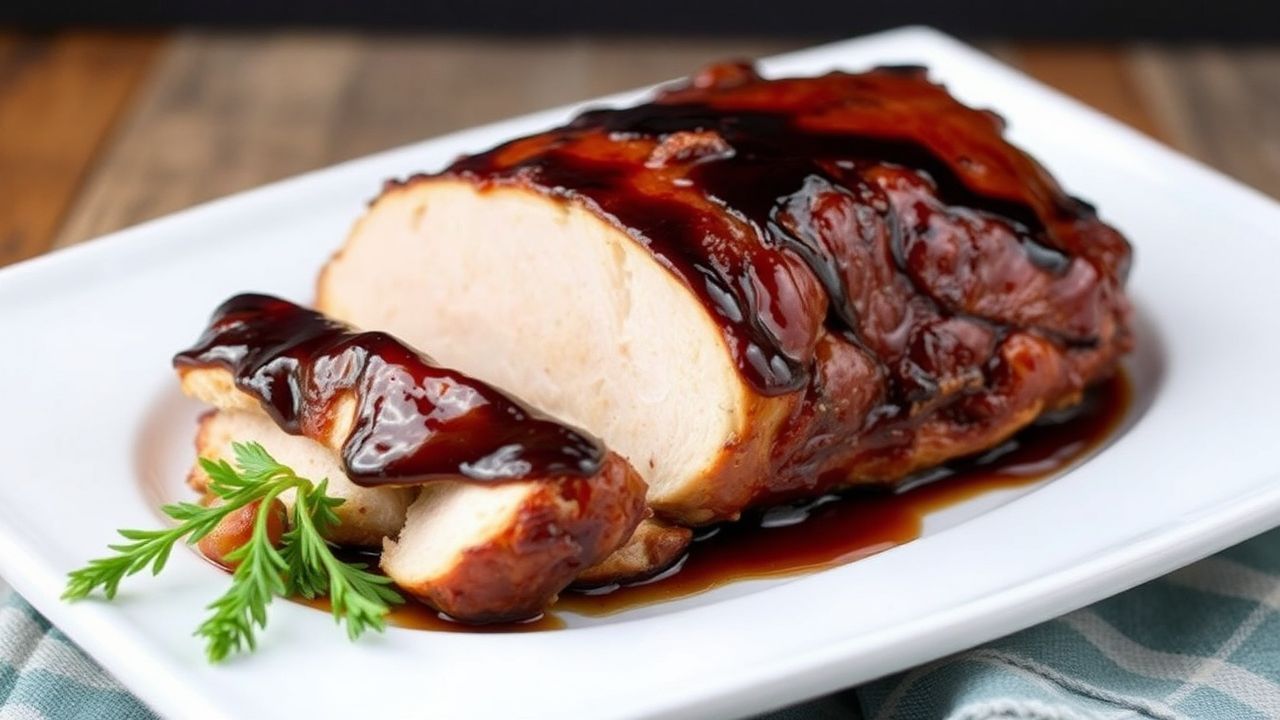
Turkey breast tastes easy—until you cook it well. If you want a restaurant-style finish (a glossy, caramelized crust) and still keep every slice juicy, this soy ginger glazed turkey breast recipe uses a simple glaze that clings, browns, and flavors the meat as it roasts.
- Why Soy Ginger Glaze Makes Turkey Breast Taste Special
- Choosing the Right Turkey Breast for Juicy Slices
- Ingredients You Need (Plus Substitutions)
- How to Build the Perfect Soy Ginger Glaze
- 7 Steps to Roast a Juicy Glazed Turkey Breast
- Step 1: Season Lightly
- Step 2: Marinate for Maximum Flavor
- Step 3: Preheat and Set Up the Rack
- Step 4: Start Low and Baste for a Sticky Layer
- Step 5: Track Temperature, Not Time
- Step 6: Crisp the Skin with a Final Hot Finish
- Step 7: Rest, Then Slice Against the Grain
- Serving Ideas That Match the Flavor Profile
- Common Problems (and How to Fix Them Fast)
- Make-Ahead and Meal Prep Options
- Nutrition Snapshot (Why This Works as a High-Protein Dinner)
- FAQ
At a Glance
- Glaze first, then reduce for stronger cling and caramel flavor.
- Roast low, finish hot to set the crust without drying the breast.
- Baste strategically so the surface stays lacquered, not watery.
- Rest before slicing to keep slices tender and juicy.
This recipe uses a reduced glaze plus a brief high-heat finish to build color without drying the breast. You’ll also learn how to choose the right cut, manage salt, and hit safe doneness while keeping texture tender.
Why Soy Ginger Glaze Makes Turkey Breast Taste Special
A plain turkey breast works, but it can feel mild because the meat has a subtle flavor and lean texture. The glaze fixes that by combining umami (soy) with aromatic bite (ginger) plus a little sweetness for browning.
As the glaze heats, sugars and proteins react and deepen into caramel-like notes on the surface. For a clear view of the browning chemistry behind that crust, see Maillard reaction.
Soy sauce contains fermented compounds that boost savory perception. Ginger adds volatile aromatics that smell sharp and fresh while still tasting warm. When you reduce the glaze, you concentrate those flavors so they coat the breast instead of running off.
If you like understanding the “why,” use food safety basics as your anchor when you plan prep and storage. That mindset keeps the recipe both delicious and reliable.
Once you handle the glaze safely, the flavor stays clean. It also helps your crust taste caramel-like rather than “raw” or overly fermented.
Choosing the Right Turkey Breast for Juicy Slices
Your results start at the grocery store. Look for a breast that feels firm and moist, with a pale, creamy-pink color. If you can, buy bone-in and skin-on. The bone helps the meat cook evenly, and the skin protects juiciness.
Size matters too. For best roasting control, target about 4 to 6 lb. Smaller breasts dry faster because the surface exposure time increases. Larger ones can work, but you’ll need more time to bring the center to temperature.
When you decide between fresh and previously frozen, treat thawing as part of cooking. Safer thawing supports better moisture retention. For general temperature handling context, review food temperature guidance from trusted references and follow package instructions.
If you want a consistent cook, plan around your thermometer. Temperature control matters more than guesswork, especially with lean poultry.
Expert Insight: Pick a breast thickness you can measure. If it’s uneven, the thin end will overcook first. Use a thermometer and aim for the thickest portion, not the outer edges.
You’ll still get a tight caramelized crust when you manage heat and baste at the right time.
Ingredients You Need (Plus Substitutions)
This soy ginger glazed turkey breast balance works because it blends savory, sweet, and heat. It also contains enough sugar to caramelize during the final crisp stage. If you scale the glaze, keep the ratio close so it reduces into a syrupy coating.
Core glaze ingredients: soy sauce (or tamari), honey (or brown sugar), fresh ginger, garlic, lemon juice, and a small amount of sesame oil. The lemon juice brightens the finish so the soy doesn’t feel heavy.
For the soy component background, use soy sauce as a reference. That helps you understand why the glaze tastes deep even with simple ingredients.
Also, remember that salt levels vary by brand. You’ll control the final seasoning by tasting and not over-salting the meat.
Ingredient List
Turkey: 1 bone-in, skin-on turkey breast (about 4–6 lb). Kosher salt and black pepper.
Glaze & marinade: 1/2 cup soy sauce (or tamari), 2 tbsp honey, 2 tbsp grated fresh ginger, 3 cloves garlic (minced), 1 tbsp sesame oil, 1 tbsp fresh lemon juice, plus fresh herbs (rosemary and thyme).
To finish: reserved glaze (for basting), toasted sesame seeds, and sliced scallions. Optional: chopped cilantro.
Substitutions That Still Work
If you want a gluten-free version, use tamari instead of soy sauce. For context on common dietary allergens in food labels, see food allergy.
If you can’t use honey, brown sugar works. If you only have ground ginger, start with about half the amount of fresh ginger. Ground ginger tastes less bright, so the glaze may feel warmer and less zesty.
How to Build the Perfect Soy Ginger Glaze
The glaze must reduce enough to become syrupy. That reduction gives you cling and a lacquer-like surface. If you skip reduction, the coating stays thin and the crust won’t brown as well.
Cook the glaze gently so garlic doesn’t burn. Burnt garlic tastes bitter and can overpower the ginger. You want a thickened sauce that coats the back of a spoon.
To reduce correctly, simmer at a steady low-to-medium low heat. Stir often to prevent hot spots, especially once it thickens.
For general fermentation and sauce behavior background, food fermentation explains why soy flavors can taste intense even in small amounts.
Glaze Method
In a saucepan over medium-low heat, combine soy sauce, honey, minced garlic, and grated ginger. Simmer for about 8–12 minutes until slightly thick. Stir often to prevent scorching.
Turn off the heat, then stir in lemon juice and sesame oil. Let the glaze cool before marinating. Hot marinade can partially cook the surface and change texture.
When the glaze cools, it thickens more as it sits. That’s a benefit for coating.
7 Steps to Roast a Juicy Glazed Turkey Breast
You get the best texture by combining low oven roasting with a high-heat finish. Low heat cooks through gently. High heat crisps skin and sets the glaze into a caramelized crust.
Follow these steps in order and you’ll avoid the two common issues: dry turkey and bland coating. Temperature control also keeps the breast safe without ruining the bite.
Step 1: Season Lightly
Pat the turkey breast dry with paper towels. Season the surface lightly with salt and black pepper. Because soy adds salt, don’t over-salt.
Use salt sparingly on the skin. Too much salt can pull moisture out early and make skin less crisp.
Step 2: Marinate for Maximum Flavor
Pour the cooled glaze into a container with the turkey breast. Turn the turkey so glaze coats all sides, especially the top skin area.
Refrigerate for 6 to 12 hours. Overnight gives the best infusion. If you’re short on time, even 2 hours helps.
Step 3: Preheat and Set Up the Rack
Set the oven to 325°F / 163°C. Place a wire rack over a rimmed baking sheet. The rack lets air circulate, which helps even cooking and better skin texture.
Slide rosemary and thyme under the breast where possible. Aromatics won’t penetrate deeply, but they perfume the hot surface.
Step 4: Start Low and Baste for a Sticky Layer
Remove the turkey from the marinade. Reserve any glaze that has not touched raw turkey. Put the turkey skin-side up on the rack.
Roast for about 60 minutes, basting every 20 minutes with reserved glaze. This builds layers and creates that glossy surface.
Step 5: Track Temperature, Not Time
Roasting time varies by breast size and whether it’s bone-in. Use an instant-read thermometer for accuracy. Aim for 165°F / 74°C at the thickest part of the breast.
Check early if your turkey looks small or if your oven runs hot. Turkey keeps cooking slightly while it rests, so stopping near target temperature protects juiciness.
For poultry temperature context, reference turkey (bird) and follow established safety standards in your region.
Step 6: Crisp the Skin with a Final Hot Finish
When the breast is close to target doneness, increase the oven to 400°F / 204°C. Brush a fresh coat of reserved soy ginger glaze on top.
Roast an additional 10–15 minutes. Watch closely near the end. The glaze darkens fast, and you want caramelized, not burnt.
If your glaze looks like it’s browning too quickly, brush a slightly lighter coat and keep a close eye.
Step 7: Rest, Then Slice Against the Grain
Move the turkey to a cutting board and tent loosely with foil. Rest for 15 minutes. Resting lets juices redistribute so slices stay moist.
Slice thinly and cut against the grain. If you slice parallel to the grain, turkey fibers tear and moisture escapes faster.
After slicing, serve promptly so the glaze still feels set and glossy.
Once you handle the glaze safely, the flavor stays clean. It also helps your crust taste caramel-like rather than “raw” or overly fermented.
Serving Ideas That Match the Flavor Profile
This soy ginger glazed turkey breast tastes savory-sweet and lightly zingy. The crust brings caramel depth, so sides should balance richness with freshness or a starch that soaks up sauce.
When you serve, don’t hide the crust. Slice and fan the turkey so guests see the caramelized surface.
For best texture, keep slices thin and plan one quick pass for reheating if needed.
If you want to understand why lean poultry can feel drier with reheating, review cooking principles related to heat and moisture.
Best Side Pairings
Starchy: jasmine rice, steamed basmati, or soba noodles tossed with sesame oil. Starch absorbs the glaze and stretches flavor across bites.
Vegetable: roasted baby carrots, broccolini, or bok choy with a light sesame drizzle. Choose crisp vegetables so they don’t soften too much beside the tender breast.
Salad: quick cucumber salad with rice vinegar and a pinch of sugar. The acidity makes the glaze taste brighter.
Garnish for Restaurant Look
Top with toasted sesame seeds and sliced scallions for crunch and color. Optional cilantro adds a fresh herbal note that works with ginger.
For extra shine, drizzle a little reserved pan glaze over sliced turkey right before serving.
Common Problems (and How to Fix Them Fast)
Soy ginger glazed turkey breast problems stay predictable. Most failures come from heat timing, glaze reduction, or skipping a proper rest.
Use this checklist before you blame the recipe. Then adjust one variable at a time.
Problem: Skin Isn’t Crisp
That usually happens when the final hot finish step is too short or the glaze stays too wet. Add 3–5 minutes to the final crisping stage, but watch closely.
Also pat the turkey skin dry before roasting. Moisture steams instead of crisping.
Problem: Glaze Turns Too Dark
If the glaze burns, it tastes bitter. Lower the oven slightly during the crisp stage (for example, 375°F / 190°C) or apply a lighter brush coat.
You can also brush glaze in two thinner layers instead of one heavy coat. That builds color more evenly.
Problem: Turkey Is Dry
Dry turkey usually means overcooking or insufficient resting. Stop at 165°F / 74°C at the thickest part, then rest 15 minutes.
If your turkey is significantly larger than expected, roast longer at 325°F and avoid raising heat too early.
Make-Ahead and Meal Prep Options
You can prepare parts of this soy ginger glazed turkey breast ahead without losing flavor. The glaze improves after resting because ginger and garlic mellow and blend with soy notes.
Plan ahead when you want a calm cooking day and easier cleanup.
Glaze in Advance
Make the glaze up to 3 days ahead. Cool it, then store covered in the refrigerator. Rewarm gently before use if it thickens too much.
Cool completely before marinating so you don’t alter the meat’s surface texture.
Leftovers That Taste Better Next Day
Refrigerate leftover turkey within 2 hours. Slice before storing so reheating stays more uniform.
Reheat gently at a low temperature to avoid drying. Add a spoonful of leftover glaze or broth to restore moisture.
Nutrition Snapshot (Why This Works as a High-Protein Dinner)
Turkey breast provides lean protein, which makes it a strong option for a filling meal. This recipe’s glaze adds a modest amount of carbohydrates and fats, but most volume comes from turkey.
If you track macros, focus on portion size. Garnish adds small calories, while the main nutrition comes from the turkey itself.
For poultry background, you can explore turkey (bird) and general food composition ideas via standard references.
When sodium matters, watch your soy sauce and any added salt. That choice shifts nutrition quickly.
FAQ
Can I use boneless turkey breast for this soy ginger glazed turkey breast recipe?
Yes. Boneless turkey breast cooks faster and can dry sooner. Start checking temperature earlier and shorten the low-roast time by about 10–15 minutes. Then follow the same high-heat crisping step.
Use the thermometer as your guide. Bone-in and boneless cuts finish differently even at the same oven temperature.
Is the glaze too salty?
It can be if you over-salt the turkey or if your soy sauce brand runs very salty. Taste the glaze before marinating. If it feels intense, reduce added salt on the turkey surface.
Also remember that reduction concentrates flavor. If you’re sensitive to sodium, reduce the final simmer time slightly and keep basting light.
How long should I marinate for the best results?
For maximum flavor, marinate 6–12 hours. Overnight gives the deepest soy-ginger infusion. If you only have 2 hours, the surface flavor improves, and the final crisp stage still builds crust.
Don’t marinate beyond what your schedule allows if the turkey seems delicate. For best texture, prioritize safe refrigeration and consistent cooling.
What if I don’t have fresh ginger?
Use ground ginger, but reduce the amount—start with about half the fresh ginger quantity. Ground ginger tastes less bright, so the glaze may feel warmer and less zesty.
To keep flavor balanced, add the lemon juice at the end and don’t skip the sesame oil. Those steps brighten the finish.
Can I make this gluten-free?
Use tamari instead of soy sauce. Then double-check any bottled or packaged ingredients you include. The rest of the recipe—ginger, garlic, honey, lemon juice, and sesame oil—stays naturally gluten-free.
Check labels for cross-contact if you serve guests with celiac disease or gluten sensitivity.
See also: soy ginger glazed