

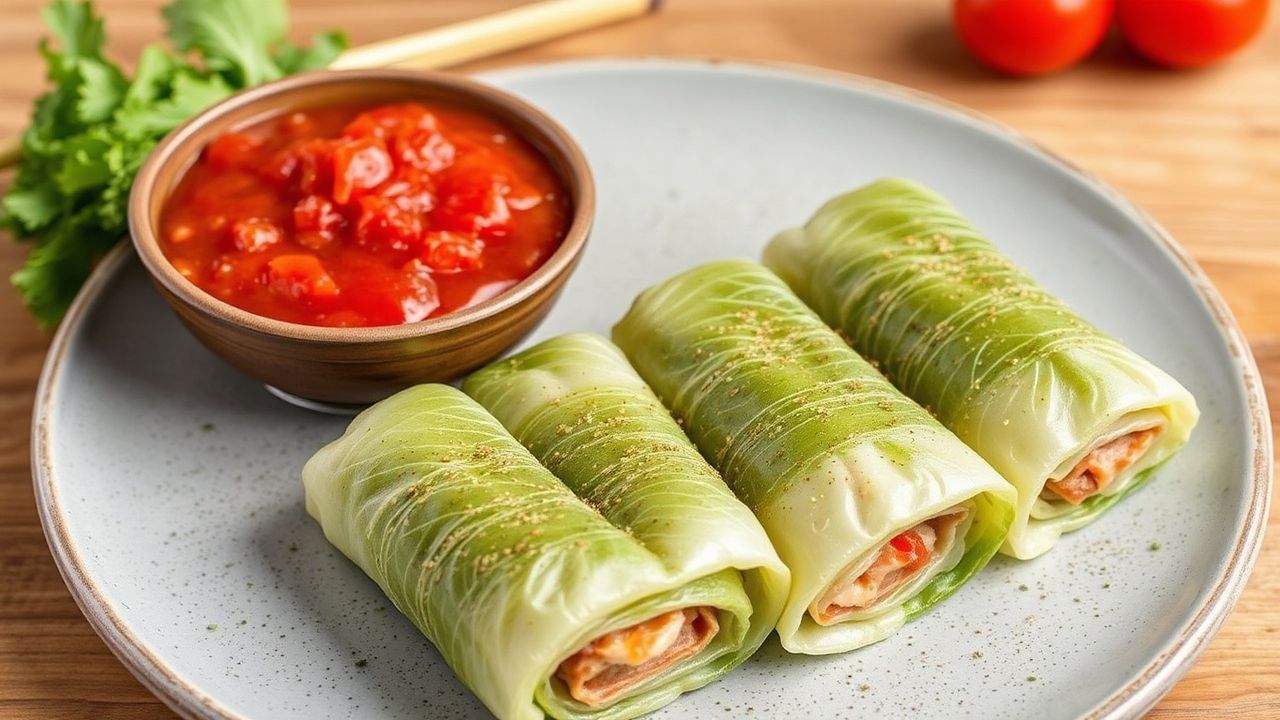
Stuffed cabbage rolls are the kind of dinner that feels both traditional and fresh the moment you lift the lid. The leaves wrap a hearty filling, then simmer in a tangy tomato sauce that turns simple ingredients into bold comfort food.
At a Glance
- Stuffed cabbage rolls need pliable leaves for clean rolling.
- Pre-cooked rice keeps the filling moist without turning mushy.
- A tangy tomato sauce comes from balanced acidity and slow simmering.
- Resting improves flavor the next day for meal-prep.
Whether you cook them for a holiday table or a busy weeknight, this method helps you get tender cabbage, a juicy center, and a sauce that tastes bright rather than sharp. You’ll also learn how to fix the two most common problems: torn leaves and bland filling.
Stuffed Cabbage Rolls: Choosing the Right Cabbage Leaves
The first step determines your final texture. Stuffed cabbage rolls rely on leaves that soften without collapsing, so you can roll them tightly and keep the filling inside.
Start with a firm green cabbage. Remove the core, then blanch the whole head in salted water until the outer leaves peel easily. For cabbage basics, see cabbage.
Trim any thick midribs so the leaf folds flat. If you skip this, the roll can become uneven and the seam may open during simmering. Keep a towel nearby and let leaves drain well before rolling.
If you notice stubborn leaves, blanch them a little longer instead of forcing them. Gentle handling protects the vein structure, and that helps the roll hold its shape in sauce.

Mastering the Filling for Juicy Stuffed Cabbage Rolls
The filling should taste rich but not heavy. In stuffed cabbage rolls, the goal is a tender, cohesive center that stays juicy after 45 minutes of gentle cooking.
Use a blend of ground meat and cooked rice. Long-grain rice is ideal because it holds shape. For rice science and types, consult rice.
Mix in finely minced onion, garlic, fresh herbs like parsley and dill, and warm spices such as smoked paprika. Add tomato paste to deepen the savory flavor and help the sauce and filling taste connected.
A lightly beaten egg acts as a binder. It keeps the mixture from crumbling and improves sliceability when you serve.
Cook the rice until al dente, then cool it before mixing. If the rice stays hot, it can start cooking the meat and change the texture. Prepping the filling in advance also improves flavor because seasonings distribute more evenly.
For best results, mix gently. Overmixing can make the meat tough, especially when you roll tightly and press down.
How to Build a Tangy Tomato Sauce That Clings
A good sauce does more than add flavor. It coats the cabbage leaves, so each bite tastes bright, savory, and cohesive instead of watery.
This sauce starts with sautéed onion and garlic in olive oil. Then you add tomatoes (canned crushed tomatoes or ripe fresh ones) and simmer until the aroma turns rich and steady. For tomato varieties and cooking, see tomato sauce.
To balance tang, add a small amount of brown sugar. This doesn’t make the sauce sweet. It softens sharp acidity so the flavor reads as tangy rather than harsh.
Simmer low and slow for at least 30 minutes. Slow simmering lets water evaporate and gives the sauce better body, which helps it cling to the rolls.
Add a bay leaf and a few sprigs of thyme for aroma. If you want extra depth, use vegetable broth to stretch the sauce and keep it silky. Finish with salt and black pepper at the end so you don’t over-reduce.
Before serving, taste once more. If the sauce feels flat, simmer two more minutes. If it feels too sharp, add a pinch more sugar and cook briefly.
Rolling and Cooking Stuffed Cabbage Rolls for Tenderness
Now you assemble. Place a portion of filling on each cabbage leaf and fold the sides in. Then roll tightly from the thick end toward the tip so the seam lands underneath.
Arrange the rolls snugly in a deep pot or Dutch oven. If they sit too far apart, they may shift while simmering. For general cooking vessel guidance, see Dutch oven.
Pour the sauce around the rolls. You want enough liquid to reach about halfway up the sides. Cover and cook gently, not aggressively, to keep cabbage tender without breaking.
Cook for about 45 minutes, then check one roll. The cabbage should feel soft when you pierce it, and the filling should be fully heated through.
After cooking, rest the rolls 10 to 15 minutes. During this time, the filling settles and the sauce thickens slightly. This also makes slicing easier and improves flavor balance.
If you’re meal-prepping, let the rolls cool in sauce, then refrigerate. Flavor often improves after 24 hours as the tangy notes mellow and the herbs round out.
Expert Insight: Portion control matters. Use a consistent filling amount per leaf so every roll cooks at the same pace and you get uniform texture when you serve.
Serving Suggestions for a Restaurant-Style Plate
For presentation, spoon sauce generously. It should pool lightly on the plate so guests get tangy flavor in every forkful. Garnish with chopped parsley or dill for a fresh green contrast.
Pair stuffed cabbage rolls with sides that absorb sauce. Creamy mashed potatoes work well, and so does buttered barley for a hearty, nutty note. For barley background, see barley.
For a cool contrast, add a dollop of Greek yogurt or sour cream. This cuts perceived acidity and makes the tang read smoother. Finish with a few lemon wedges if your guests like a brighter touch.
If you plan to serve for guests, keep the pot warm. Warm rolls hold shape better than hot-and-drying rolls, and sauce stays glossy.
Prep and Cook Time
Plan about 25 minutes for prep, including blanching and making the filling. Then allow 1 hour 15 minutes for rolling, simmering, and gentle finishing.
The total time typically lands near 1 hour 40 minutes. If you pre-blanch the cabbage earlier, you can reduce active time on cooking day.
Yield
This recipe makes about 6 servings depending on how large your cabbage leaves are. Smaller leaves create more rolls and slightly smaller portions.
For batch cooking, scale filling and sauce together so seasoning stays balanced across the whole pot.
Difficulty Level
Difficulty is Medium. Rolling takes a bit of patience, but the technique stays straightforward once you blanch properly.
If you’re new, start with a small pot and practice rolling with a few spare leaves. Then cook the full batch.
Ingredients
- 1 large green cabbage, core removed
- 1 cup long-grain white rice, rinsed and pre-cooked until al dente
- 1 lb (450g) lean ground beef
- 1 medium onion, finely minced
- 3 cloves garlic, minced
- 2 tablespoons tomato paste, divided
- 1 large egg, lightly beaten
- 2 tablespoons fresh parsley, finely chopped
- 1 tablespoon fresh dill, finely chopped
- 1 teaspoon smoked paprika
- Salt and freshly ground black pepper, to taste
- 3 tablespoons olive oil, divided
- 28 oz (800g) canned crushed tomatoes
- 1 teaspoon brown sugar
- 1 bay leaf
- 2 sprigs fresh thyme
- 1/2 cup vegetable broth
- Fresh basil, for garnish
Instructions
- Prepare the cabbage leaves: Trim the core and bring a large pot of salted water to a boil. Submerge the cabbage head and cook 8–10 minutes until leaves soften. Peel leaves and drain on a towel. Trim thick ribs if needed.
- Cook the rice: Simmer rice until al dente, 10 minutes. Drain and cool slightly.
- Make the filling: In a bowl, combine ground beef, cooked rice, minced onion, garlic, 1 tablespoon tomato paste, egg, parsley, dill, smoked paprika, salt, and pepper. Mix gently.
- Roll the cabbage: Add filling to each leaf. Fold sides over, then roll tightly from thick end to tip. Seal edges underneath.
- Start the sauce: Heat 2 tablespoons olive oil. Sauté onion and garlic until translucent, about 5 minutes. Stir in remaining tomato paste and cook 1 minute.
- Add tomatoes and simmer: Add crushed tomatoes, brown sugar, bay leaf, thyme, and vegetable broth. Simmer gently for 30 minutes, stirring occasionally.
- Cook the rolls: Nestle rolls into the sauce. Cover and cook gently for 45 minutes, turning once halfway. Remove bay leaf and thyme.
- Serve warm: Transfer rolls to a dish, spoon sauce generously over them, and garnish with basil and parsley.
Tips for Success
- Roll leaves while they are warm and pliable, then let the seam rest underneath.
- Swap meat if you want. Ground turkey or chicken works with the same method and seasonings.
- Drain rice well. Excess moisture can make the filling dense or soggy.
- Make the sauce ahead. Reheat the sauce and simmer rolls in it for deeper flavor.
- If leaves tear, patch with small pieces or use two smaller leaves for one roll.
Serving Suggestions
Serve with mashed potatoes, buttered barley, or a simple quinoa salad. These sides soak up the tangy sauce and keep the plate balanced.
Add a dollop of sour cream or Greek yogurt, plus lemon wedges if you like extra brightness. Garnish with chopped herbs for a clean, appetizing look.
| Nutrient | Per Serving |
|---|---|
| Calories | 420 kcal |
| Protein | 32 g |
| Carbohydrates | 36 g |
| Fat | 14 g |
Explore more hearty recipes like our Hearty Vegetable Stews to build a week of comforting meals. For cabbage health basics, check cabbage and general dietary fiber facts via dietary fiber.
Q&A
Why do my stuffed cabbage rolls tear?
Tears usually happen when leaves are under-blanched or when the midrib is too thick. Blanch until leaves peel easily, then trim the thick ribs so the leaf folds flat.
Can I use uncooked rice in stuffed cabbage rolls?
It usually leads to uneven texture. Uncooked rice may not finish cooking inside the roll, or it may absorb sauce unevenly. Pre-cook to al dente so everything finishes together.
How do I make the tomato sauce tangier without tasting harsh?
Build tang through tomatoes and slow cooking, then balance with a small amount of sugar. Taste at the end, and adjust with salt, pepper, and simmer time.
Can I make stuffed cabbage rolls ahead of time?
Yes. Assemble and refrigerate, then simmer or bake before serving. Many cooks find the flavor improves the next day because the sauce penetrates the cabbage.
What’s the best way to reheat them?
Reheat gently in a covered pot with a splash of sauce or broth. Warm slowly to protect cabbage texture and keep the filling moist.
See also: Stuffed cabbage