

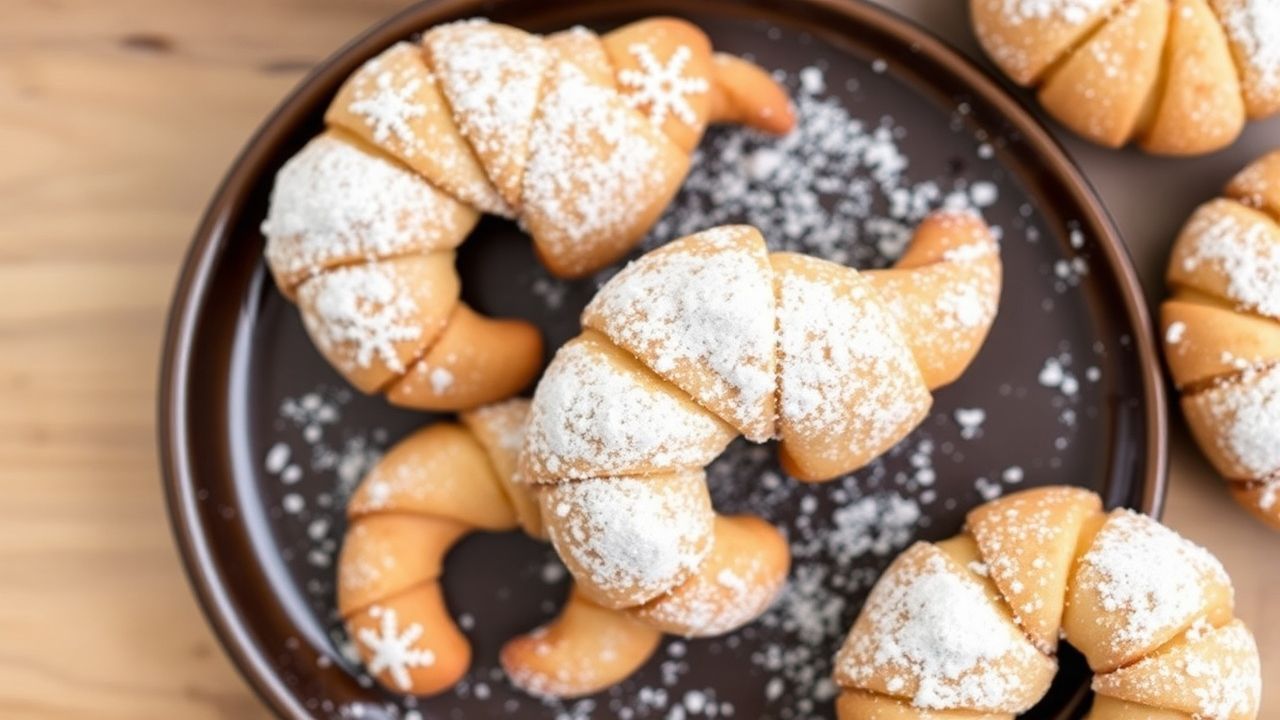
Vanilla warms the air in winter markets and home kitchens across Europe. These vanillekipferl—also called vanilla crescents—are buttery, nut-based cookies finished with a snowy dusting of powdered sugar.
- Prep and Cook Time
- Yield
- Difficulty Level
- Essential Ingredients and Tips for Authentic Vanillekipferl
- Mastering the Perfect Texture and Flavor Balance
- Chef’s Notes: Tips for Success
- Creative Variations to Elevate Your Vanilla Crescent Experience
- Serving Suggestions
- Q&A
- What exactly are vanillekipferl?
- Where did vanillekipferl traditions come from?
- Why are vanillekipferl shaped like crescents?
- How do I keep vanillekipferl tender?
- Can I store vanillekipferl for later?
- Insights and Conclusions
- Origins: Linked to Central European Christmas baking traditions.
- Signature: Ground nuts, shortcrust-style dough, and vanilla sugar.
- Technique: Chill, shape crescents, bake briefly, then dust while warm.
- Flavor goal: Melt-in-the-mouth crumb with a gentle vanilla aroma.
Join us as we unwrap the story behind vanillekipferl. You’ll see how ingredients, shape, and holiday rituals work together to create one of the most recognizable cookie flavors in the region.
Vanillekipferl Unwrapped: The Story of Vanilla Crescents follows a simple path: fragrant vanilla, tender dough, and a crescent form that feels like a small celebration. The magic starts with a short dough built from butter and ground nuts, then it finishes with powdered sugar infused with vanilla.
While recipes vary by household, vanillekipferl stay consistent in key ways. They use a crumbly, low-structure dough style, shaped by hand, then baked until the edges set and the center stays soft.
Prep and Cook Time
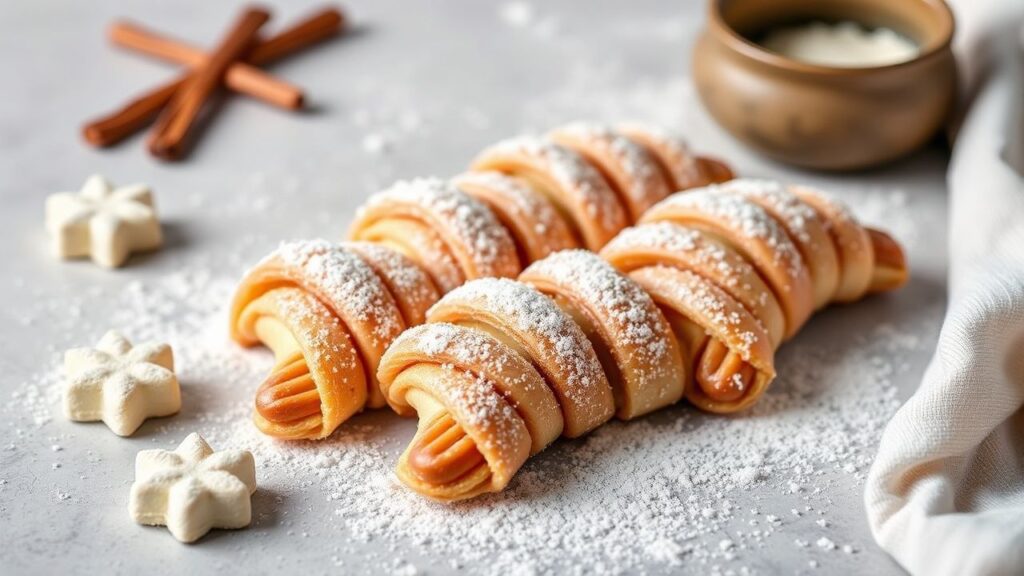
Plan your schedule around chilling. A cold dough holds its shape and stays easy to roll into neat crescents.
- Readiness: 20 minutes
- Chilling: 60 minutes
- Baking: 12–15 minutes
- Total Time: About 1 hour 40 minutes
Yield
This batch makes enough for a cookie tin, holiday visitors, or gifting. If you cut the logs slightly shorter, you can stretch it to more pieces.
Yield: About 30–35 vanillekipferl.
Difficulty Level
The dough feels delicate at first, but it behaves well once it chills. You shape crescents with light pressure and steady hands.
Difficulty: Medium.
Essential Ingredients and Tips for Authentic Vanillekipferl
Your ingredient list sets the texture. For classic results, focus on ground nuts, cool butter, and true vanilla flavor.
- 1 cup (120 g) all-purpose flour, sifted for a tender crumb
- 3/4 cup (90 g) finely ground almonds or hazelnuts for moist richness
- 1/2 cup (100 g) unsalted butter, softened but still cool
- 1/3 cup (40 g) powdered sugar, plus more for dusting
- 1 egg yolk to bind and add a fine structure
- Vanilla, scraped from a bean or pure vanilla extract
- Pinch of fine sea salt to balance sweetness
Vanilla quality matters because it sits on top of everything you taste. If you use real vanilla, you get layered aroma instead of a flat sweetness.
Mastering the Perfect Texture and Flavor Balance
Texture depends on mixing control. You build crumbs first, then you stop as soon as the dough comes together.
Flavor depends on timing. Vanilla becomes most vivid when the cookies warm briefly after baking and when you dust them while they still hold heat.
- Combine dry ingredients: Whisk flour, ground nuts, powdered sugar, and salt.
- Cut in butter: Rub or cut butter into the dry mix until it looks like coarse crumbs.
- Add flavor and binder: Mix in egg yolk and vanilla. Stir just until the dough forms.
- Chill thoroughly: Cover and refrigerate at least 1 hour.
- Shape crescents: Roll small portions into short logs and gently curve.
- Bake with care: Bake at 350°F (175°C) for 12–15 minutes, until edges set.
- Dust promptly: Dust while warm so powdered sugar sticks and melts slightly on the surface.
Shortcrust-style mixing explains the crumb. Butter coats flour and nut particles, which limits gluten development and supports that tender bite.
Pro-Caution: Don’t overbake. If vanillekipferl color too deeply, they turn dry and the vanilla dust won’t feel “silky.” Bake until set, then dust right away.
Chef’s Notes: Tips for Success
Small adjustments improve every tray. Use these notes to keep your dough smooth, your crescents consistent, and your crumb delicate.
- Choose finely ground nuts: Coarser nuts can make the dough feel gritty.
- Control butter temperature: Cool butter helps the dough stay cohesive after chilling.
- Boost vanilla aroma: Scrape seeds directly into the dough when possible.
- Respect chill time: Cold dough shapes neatly and holds its curve in the oven.
- Make-ahead: Chill dough up to 2 days; shape and bake fresh when ready.
Creative Variations to Elevate Your Vanilla Crescent Experience
You can keep the classic structure and still vary the flavor. Stay close to the base ratios so the crumb stays tender.
Ground nuts carry different natural oils and sweetness levels. That’s why almond, hazelnut, and pistachio change the finish without changing the method.
- Swap almonds for hazelnuts or pistachios for a nutty twist.
- Add citrus zest (lemon or orange) for a brighter top note.
- Mix a little ground cinnamon into powdered sugar for warm spice.
- For a gluten-free version, use a trusted gluten-free flour blend that behaves similarly to all-purpose flour.
Serving Suggestions
Serve vanillekipferl soon after baking for the best “powdered snow” effect. They look elegant on a plain plate, and they also travel well in tins.
Pair them with tea or coffee. The mild sweetness of the cookies works well with black tea, spiced chai, or espresso.
To keep the look crisp, dust with powdered sugar right before serving. If you wrap them too early, moisture can soften the surface.

| Nutritional Info (per cookie) | Calories | Protein | Carbs | Fat |
|---|---|---|---|---|
| Vanillekipferl | 85 kcal | 1.4 g | 7 g | 6 g |
For broader holiday baking context, explore regional cookie styles and how they use fat, sugar, and nuts. Cookies evolved from pantry staples and local ingredients, which is why every region has its own signature shapes.
And if you want to understand the ingredient logic behind the recipe, read about allergens and substitutions in baking. That helps you swap ingredients responsibly while keeping texture in mind.
Q&A
If you’ve ever wondered why the dough seems crumbly, you’re not alone. The crumble is part of the design, and chilling makes it workable.
Use these answers to troubleshoot and plan ahead. Each reply matches common results seen in home baking.
What exactly are vanillekipferl?
Vanillekipferl are crescent-shaped holiday cookies made with butter, flour, and ground nuts. They get finished with vanilla-scented powdered sugar, which creates the signature snowy coat.
Where did vanillekipferl traditions come from?
Vanillekipferl are closely tied to Central European Christmas baking. Many families treat them as part of their seasonal cookie tradition, with recipes shared across generations.
Why are vanillekipferl shaped like crescents?
The crescent shape helps the dough bake evenly and makes a recognizable holiday form. It also supports the “hand-rolled” ritual that many households enjoy during the season.
How do I keep vanillekipferl tender?
Chill the dough, bake briefly, and dust while the cookies are still warm. Overbaking dries the crumb and reduces that melt-in-your-mouth feel.
Can I store vanillekipferl for later?
Store them in an airtight container at room temperature. If you want the brightest “powder snow” look, dust with powdered sugar right before serving.
Insights and Conclusions
When a vanillekipferl melts on your tongue, you taste more than vanilla. You taste careful technique: crumbly dough, gentle baking, and a finishing sugar that clings while warm.
The charm stays timeless because the method stays simple. Shape, bake, dust, and share—then let the aroma do what it has done for generations across winter tables.
See also: Vanillekipferl