

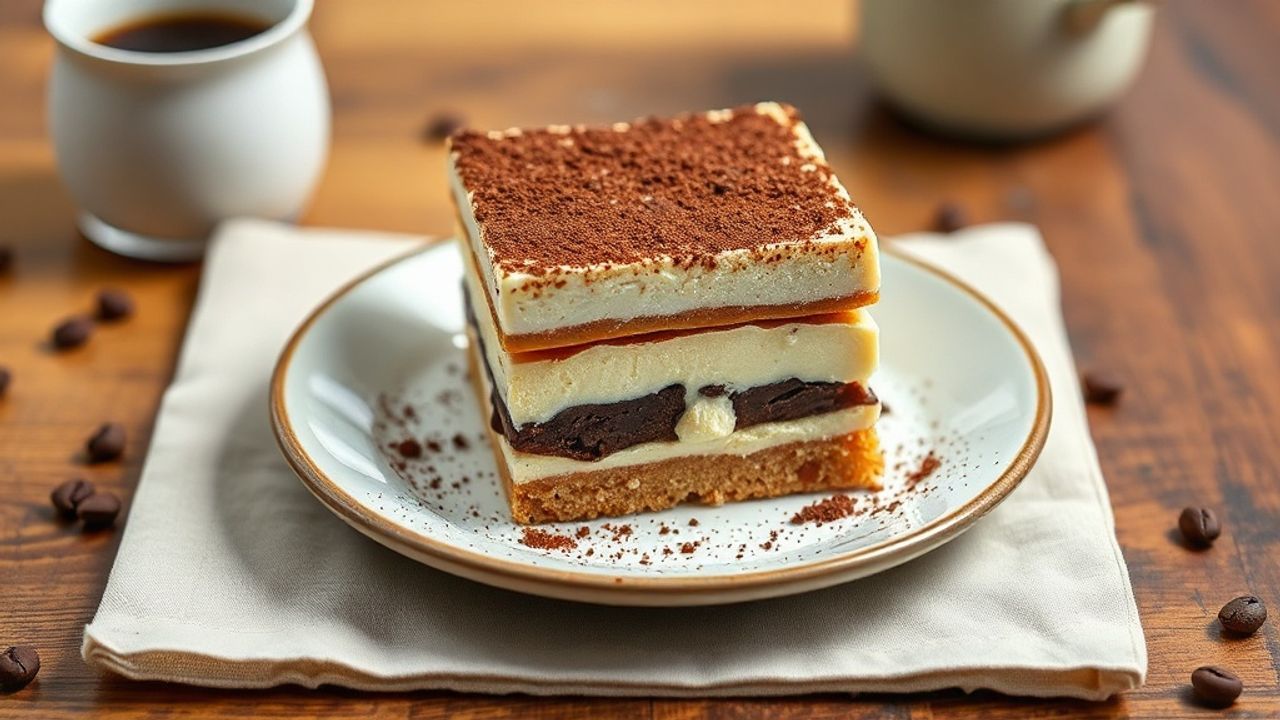
Few desserts feel as iconic as tiramisu. This Vietnamese Coffee Tiramisu keeps the creamy, coffee-soaked spirit, but it replaces the usual espresso direction with the deeper roast profile of Vietnamese brew.
- Exploring the Soul of Vietnamese Coffee and Building a Classic-Style Tiramisu
- What Makes Vietnamese Coffee Different from Espresso
- Prep and Cook Time
- Yield
- Difficulty Level
- Ingredients
- Instructions
- Tips for Success: Layering Flavors and Textures
- Serving Suggestions: Impress Guests with Style and Flavor
- Q&A
- What exactly is Vietnamese Coffee Tiramisu?
- Can I use espresso instead of Vietnamese coffee?
- How long should I chill it for the best texture?
- Why do my ladyfingers turn soggy?
- Can I make this dessert dairy-reduced or egg-free?
- Insights and Conclusions
- Focus keyword: Vietnamese Coffee Tiramisu
- Flavor core: phin-filter coffee + sweetened condensed milk
- Best texture: quick dip of ladyfingers, then long chill
- Timing: 10–15 min brew + 4+ hours chilling
In Vietnam, coffee often uses robusta beans and a small metal drip tool called a phin filter. That method produces a strong, concentrated cup that tastes bold even after you sweeten it, which makes the tiramisu layers feel more intense and more aromatic.
Tradition still matters here. You’ll use mascarpone-style richness, crisp ladyfingers, and a cocoa finish, but the coffee base brings a distinct caramel note and a thicker mouthfeel than plain espresso.
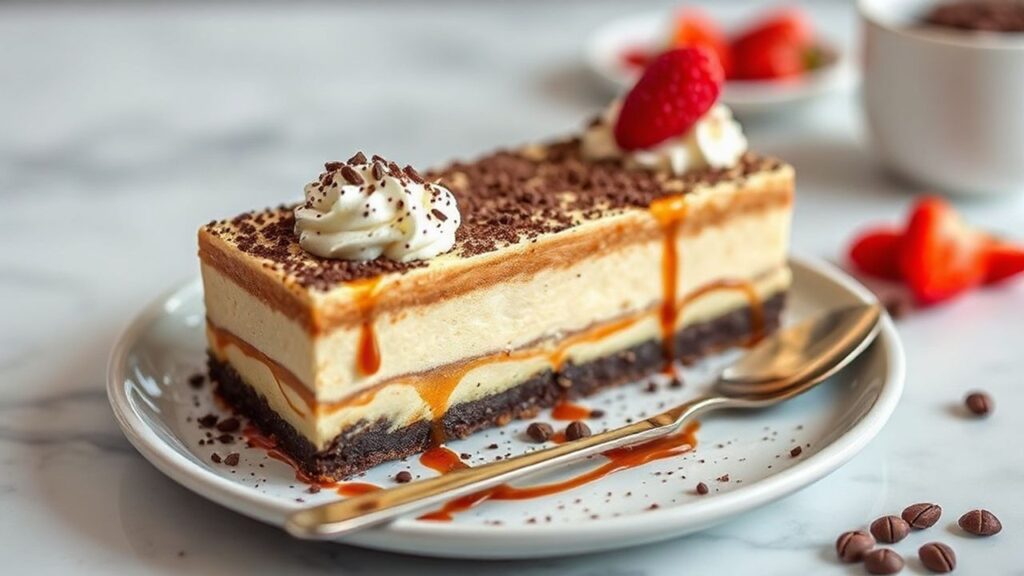
Exploring the Soul of Vietnamese Coffee and Building a Classic-Style Tiramisu
The heart of Vietnamese Coffee Tiramisu is Vietnamese coffee brewed slow through a phin filter. Many cooks start with robusta-heavy blends for that deep roast character and high crema-like aroma after brewing. If you want the science in plain terms, you’re relying on how extraction changes coffee’s bitter and sweet compounds.
When you add sweetened condensed milk to the hot coffee, the flavor shifts from sharp bitterness to a rounded, syrupy sweetness. For background on the key ingredient, see condensed milk, and for coffee brewing context, review coffee brewing.
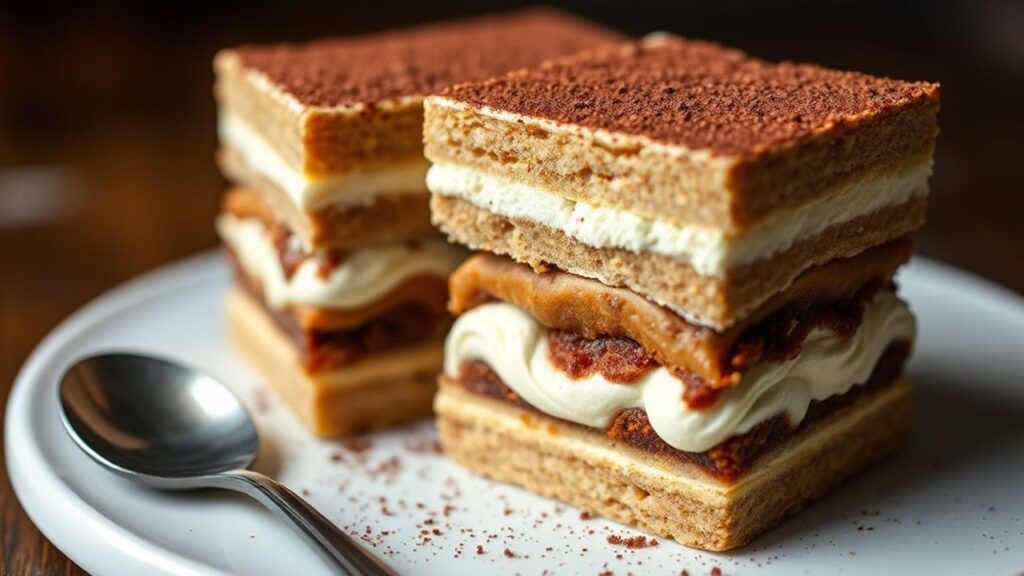
Now the dessert mechanics fit together. Ladyfingers act like a sponge, but they go from “perfectly tender” to “mushy” fast. That’s why Vietnamese Coffee Tiramisu works best with a quick dip and a well-planned chilling window.
What Makes Vietnamese Coffee Different from Espresso
Espresso and Vietnamese drip coffee both extract coffee flavors, but they often start from different bean profiles and grind styles. Vietnamese recipes frequently lean into robusta, and the phin’s slow drip can yield a concentrated cup that tastes stronger even after sweetening.
If you want to compare the concept behind roast and flavor, visit coffee roasting. The result matters: a deeper roast base gives you cocoa-friendly flavors that feel “classic tiramisu,” yet more bold on the palate.
Prep and Cook Time
Plan your workflow so you can chill long enough for clean slices. The dessert sets in the fridge, and the coffee and cream flavors blend as the layers rest.
- Readiness: 20 minutes
- Brewing Vietnamese coffee: 10–15 minutes
- Chilling time: Minimum 4 hours (overnight is best)
Yield
This recipe makes about 6 generous portions. Use a medium baking dish or a set of individual cups for easier serving.
If you scale up, keep the chilling time proportional. Thicker layers need more time for the ladyfingers to soften evenly.
Difficulty Level
Medium. You’ll handle a custard-style base and folding whipped cream, so the method rewards steady technique rather than speed.
If you’re new to custard texture, keep the heat gentle and stop as soon as the mixture turns pale and thick.
Ingredients
Gather ingredients before you start. Vietnamese Coffee Tiramisu depends on temperature control: chilled cream whips faster, and room-temperature mascarpone folds smoother.
Use the ingredient list as your guide, then adjust sweetness to taste. Condensed milk sweetness varies by brand, so small changes can improve balance.
For the Vietnamese Coffee Base
- 4 tbsp coarsely ground Vietnamese coffee (robusta-leaning blends work well)
- ½ cup boiling water
- 2 tbsp sweetened condensed milk
For the Tiramisu Layers
- 4 large egg yolks
- ½ cup granulated sugar
- 8 oz mascarpone cheese, room temperature
- 1 cup heavy cream, chilled
- 1 package (7 oz) ladyfinger cookies
- Unsweetened cocoa powder or finely grated dark chocolate for dusting
Instructions
Work in order: brew coffee, cool it, then build the custard and cream. If the coffee stays hot, it can soften the cookies too quickly before you layer.
Also, focus on texture. Vietnamese Coffee Tiramisu succeeds when each layer stays distinct and the final slice holds its shape.
- Brew the Vietnamese Coffee: Add coffee grounds to a phin filter and slowly pour boiling water over the grounds. Let it drip for about 10–15 minutes until the cup looks concentrated. Stir in condensed milk to taste, then cool to warm room temperature.
- Prepare the Egg-Yolk Base: Whisk egg yolks and granulated sugar in a heatproof bowl. Set over a gentle simmering water bath and whisk until pale and thick (about 5 minutes). Cool completely.
- Combine Mascarpone and Cream: Fold mascarpone into the cooled egg mixture. In a separate bowl, whip heavy cream to stiff peaks, then fold into the mascarpone base until smooth and airy.
- Assemble the Layers: Dip each ladyfinger into the Vietnamese coffee for a quick 1–2 seconds. Layer immediately in your serving dish.
- Add the Cream Layer: Spread half of the mascarpone mixture over the dipped ladyfingers. Press gently so the surface looks even.
- Repeat the Layers: Add a second layer of dipped ladyfingers, then the remaining mascarpone mixture. Smooth the top with a spatula.
- Chill: Cover and refrigerate at least 4 hours. Overnight chilling improves flavor and firms up the layers for clean slices.
- Finish and Serve: Right before serving, dust with unsweetened cocoa powder or grated dark chocolate for a bold cocoa finish.
Tips for Success: Layering Flavors and Textures
Texture controls everything in tiramisu. The quick dip rule keeps the cookies tender, not soggy, and the long chill lets the cream set properly.
Also, treat sweetness like a dial. Because condensed milk adds sugar, you can reduce added sugar in the yolk base if your condensed milk is very sweet.
- Use coarse-ground coffee and a phin filter to keep extraction consistent.
- Dip ladyfingers briefly so they soften without collapsing.
- If you want extra safety, consider pasteurized eggs or a technique that fully cooks the custard base.
- Chill overnight for the best “set + meld” effect.
- For depth, add a small splash of coffee liqueur to the coffee base if you enjoy an adult flavor note.
For a quick reference on cocoa and bitterness balance, see cocoa. It helps explain why cocoa dusting works so well with strong coffee.
After assembly, keep the dessert covered. Fridge odors can affect aroma, and the cocoa top looks better when dusted right before serving.
Serving Suggestions: Impress Guests with Style and Flavor
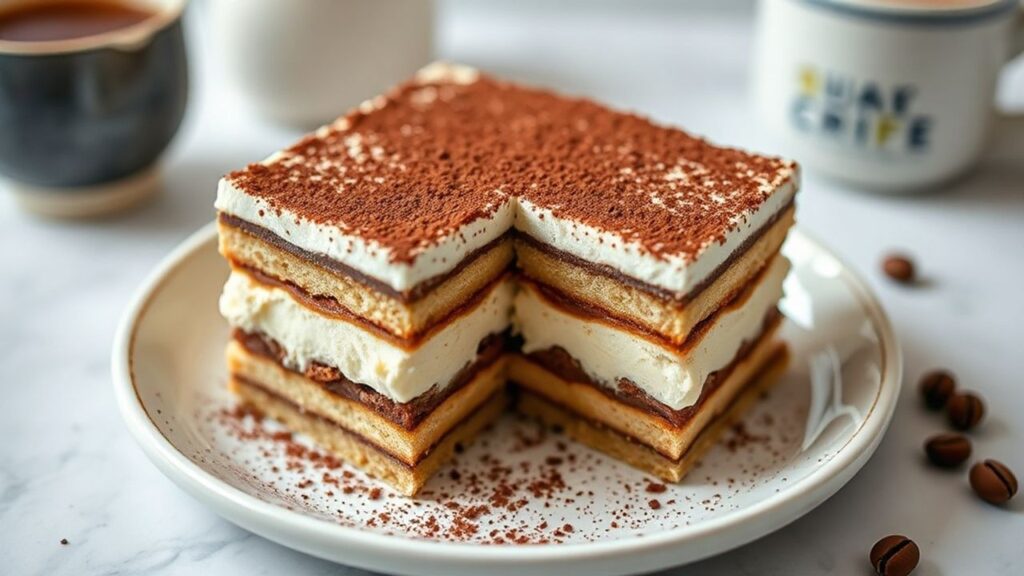
Serve Vietnamese Coffee Tiramisu cold, ideally after 6–12 hours of refrigeration. Cold temperature improves structure and makes the coffee-cocoa aroma feel sharper.
Plate each slice on a neutral plate and add a thin cocoa dusting layer. If you want a visual lift, garnish with a few toasted coffee beans or a small mint sprig.
To round the experience, pair it with a hot or iced Vietnamese drip coffee. If you enjoy contrast, serve it alongside fresh fruit like mango or citrus segments to cut through the cream.
If you want broader culinary context about regional coffee styles, check Coffee and Vietnamese cuisine.
| Nutrient | Per Serving |
|---|---|
| Calories | 340 kcal |
| Protein | 6 g |
| Carbohydrates | 32 g |
| Fat | 20 g |
Nutrition figures vary by brand and portion size. For example, ladyfinger cookies and cream can shift calories, so treat this table as a useful estimate rather than a strict guarantee.
Q&A
These quick answers address the most common questions people ask before making Vietnamese Coffee Tiramisu. You’ll get practical guidance on flavor, substitutions, and timing.
Use the answers to adjust the method to your kitchen and taste preferences. A small tweak can improve balance more than a full recipe rewrite.
What exactly is Vietnamese Coffee Tiramisu?
It’s a tiramisu-style dessert that uses Vietnamese coffee as the soaking liquid instead of espresso. The coffee is typically brewed strong and sweetened with condensed milk, then layered with creamy mascarpone and ladyfingers.
The result tastes more caramel-like and aromatic, while still delivering the familiar tiramisu structure: layered cream, coffee-soaked cookies, and a cocoa finish.
Can I use espresso instead of Vietnamese coffee?
Yes, you can use espresso, but the flavor will shift. Espresso usually tastes drier and more acidic than a sweetened phin-filter coffee blend, so the dessert may feel less syrupy.
If you substitute espresso, taste the coffee mixture first and adjust condensed milk or sugar so the coffee stays strong enough to flavor the layers.
How long should I chill it for the best texture?
Chill at least 4 hours. Overnight works even better because the ladyfingers absorb moisture evenly and the cream firms fully for clean slices.
If you slice too early, the layers can feel looser and the coffee flavor may taste less integrated.
Why do my ladyfingers turn soggy?
Usually, the coffee base is too hot, or the dip time is too long. Ladyfingers soak quickly, so a brief dip (1–2 seconds) is enough.
Also check your container size. Thicker cookie layers in a small dish can trap more liquid and soften faster.
Can I make this dessert dairy-reduced or egg-free?
You can adjust ingredients, but the method changes. Many egg-free tiramisu adaptations use cooked starch-thickened custards or dairy-free cream bases, and results vary by brand.
If you want a safer approach with eggs, pasteurized egg products or a fully cooked custard base can help while keeping the tiramisu style intact.
Insights and Conclusions
Vietnamese Coffee Tiramisu proves that “classic” doesn’t mean “unchangeable.” You keep the core tiramisu logic—coffee-soaked cookies, creamy layer, cocoa dusting—then you swap the coffee direction for a bold Vietnamese profile.
When you use a phin-filter brew and sweetened condensed milk, you build a dessert that tastes richer, warmer, and more aromatic than traditional versions. With quick dipping and an overnight chill, you get distinct layers and a slice that holds its shape.
If you want one takeaway, make the coffee base first, cool it fully, then assemble with confidence. That timing choice protects texture and ensures Vietnamese Coffee Tiramisu delivers the bold twist you came for.

See also: Vietnamese Coffee Tiramisu