
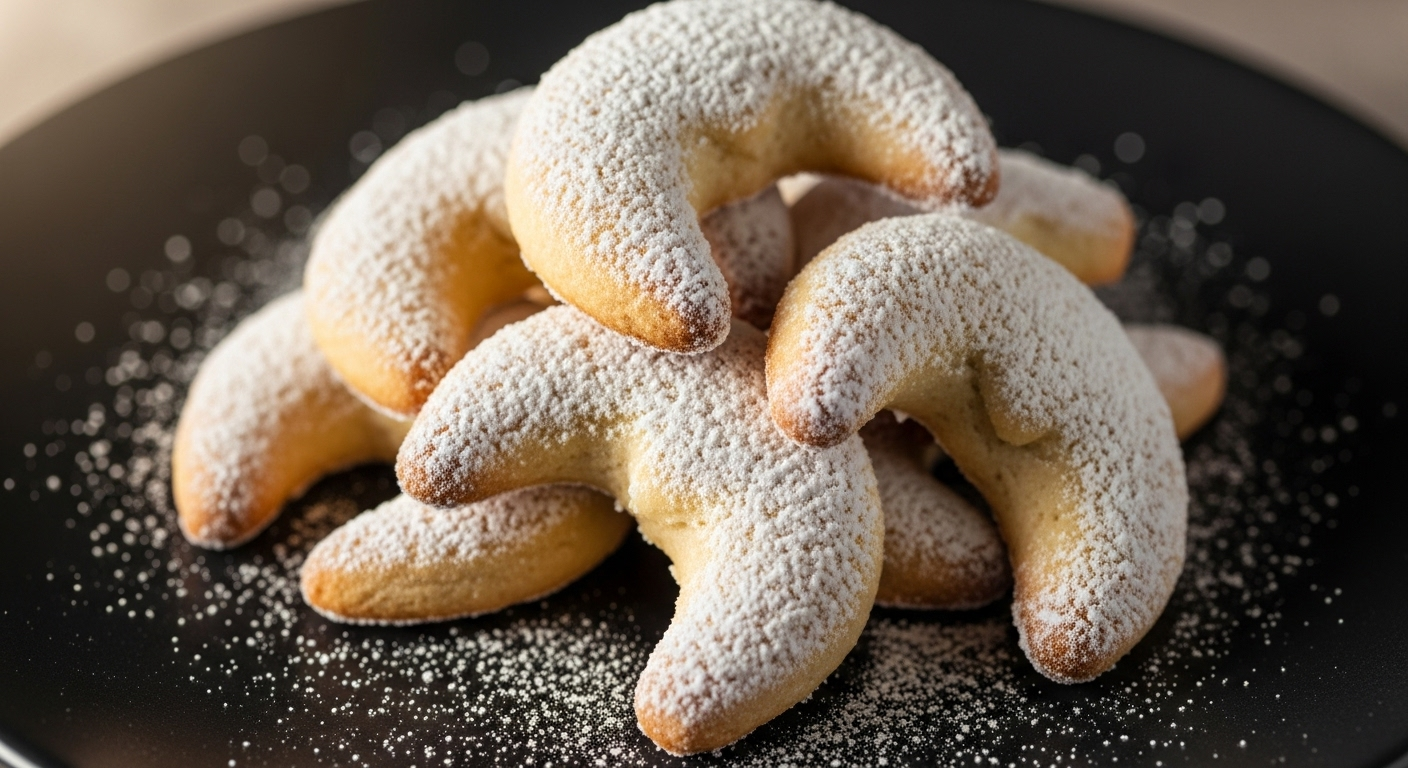
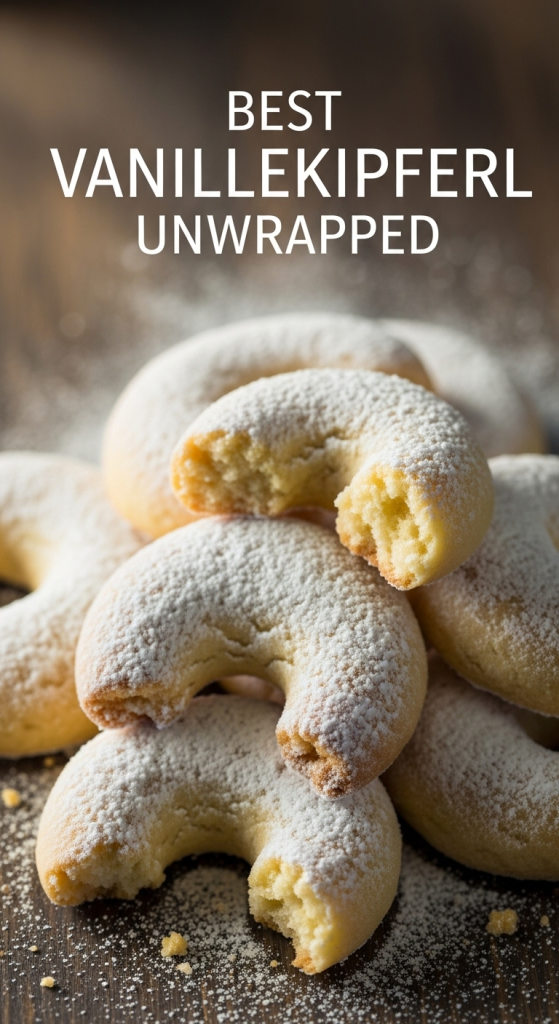
In the heart of winter markets and cozy kitchens across Europe, a delicate crescent-shaped treat whispers tales of tradition, flavor, and festive joy. Vanillekipferl, or vanilla crescents, are more than just buttery cookies dusted with powdered sugar-they are bite-sized invitations to a rich cultural heritage, steeped in centuries of culinary artistry. From their nutty aroma to their tender crumb, thes golden crescents have journeyed through time, enchanting taste buds and holiday tables alike.
Join us as we unwrap the story behind Vanillekipferl, exploring their origins, evolution, and the timeless charm that keeps these vanilla-infused delights at the heart of seasonal celebrations.
Vanillekipferl Unwrapped: the Story of Vanilla Crescents is as much a journey through fragrant vanilla pods and delicate, buttery dough as it is a festivity of tradition and artful baking. These iconic crescent-shaped cookies, beloved across Central Europe, have traveled centuries, quietly enchanting festive tables with their tender crumb and subtle vanilla aroma. Originally hailing from Austrian and Bavarian kitchens, their story is woven deeply into Christmas markets and family gatherings, where the ritual of rolling, shaping, and dusting each piece is a craft passed lovingly from generation to generation.
Prep and Cook Time
- Readiness: 20 minutes
- Chilling: 60 minutes
- Baking: 12-15 minutes
- Total Time: Approximately 1 hour 40 minutes
Yield
About 30 to 35 vanilla crescents, perfect for sharing or gifting.
Difficulty Level
Medium – The dough is sensitive but forgiving; shaping crescents is a joyful tactile experience.
Essential Ingredients and Tips for Authentic vanillekipferl
- 1 cup (120g) all-purpose flour, sifted for a light, tender crumb
- ¾ cup (90g) finely ground almonds or hazelnuts for rich depth and moist texture
- ½ cup (100g) unsalted butter, softened but still cool, to achieve the signature melt-in-your-mouth crumb
- ⅓ cup (40g) powdered sugar, plus extra for dusting
- 1 whole egg yolk to bind, lending a tender structure
- 1 vanilla bean, scraped, or 2 teaspoons pure vanilla extract
- Pinch of fine sea salt to balance sweetness
Mastering the Perfect Texture and Flavor Balance
- Combine dry ingredients: Gently whisk together the sifted flour, ground nuts, powdered sugar, and salt in a large bowl.
- Cut in butter: Using your fingertips or a pastry cutter, blend the softened butter into the dry mixture until it resembles coarse crumbs.
- Add flavor and binder: Mix in the egg yolk and the delicate vanilla seeds or extract, kneading quickly until the dough just comes together. Avoid overworking to keep the texture tender.
- Chill thoroughly: Wrap the dough in plastic and refrigerate for at least 1 hour, firming it for clean shaping and a flaky finish.
- Shape crescents: Break off small pieces, rolling them into logs about 2 inches long, then curve gently to form the signature crescents.
- Bake with care: Place crescents on a parchment-lined tray and bake in a preheated 350°F (175°C) oven for 12-15 minutes, or until edges just turn golden – this preserves a soft center with crisp edges.
- Dust promptly: While still warm, dust generously with vanilla-scented powdered sugar to create that iconic snowy finish that melts into the buttery surface.
Chef’s notes: Tips for success
- Use finely ground nuts: Coarser nuts can affect the dough’s cohesion and texture, so opt for finely milled almonds or hazelnuts.
- Butter temperature is key: Softened but cool butter helps incorporate air and creates tenderness without greasiness.
- Vanilla intensity: For maximum aroma, scrape fresh vanilla bean seeds directly into the dough. extract is a convenient alternative but choose pure, high-quality varieties.
- Chill time cannot be rushed: Proper chilling stops spreading and ensures crisp edges with a delicate crumb.
- Make ahead: Dough can be prepared up to 2 days in advance; keep refrigerated and shaped just before baking for freshest results.
creative Variations to Elevate Your Vanilla Crescent Experience
- Swap almonds for hazelnuts or pistachios for a nutty twist.
- Incorporate a hint of citrus zest (lemon or orange) into the dough for a radiant, fragrant note.
- Add a delicate dusting of ground cinnamon mixed into the powdered sugar for a warm spice layer.
- For a gluten-free version, use a blend of almond flour and a gluten-free all-purpose flour to maintain texture.
Serving Suggestions
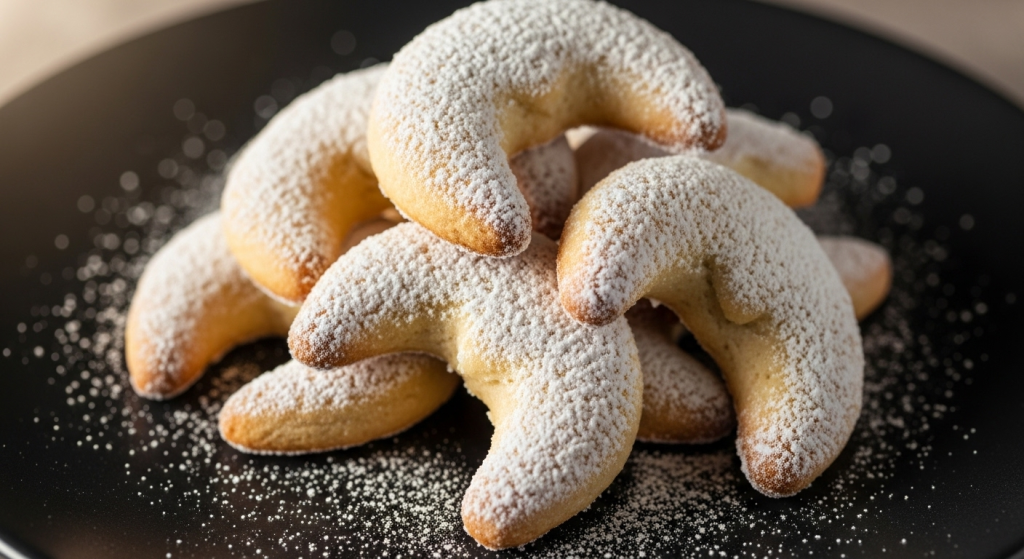
Present freshly dusted vanilla crescents on a rustic wooden board or a delicate porcelain plate. Pair with a steaming cup of black tea or spiced chai to complement their subtle sweetness. For festive charm, garnish the platter with dried vanilla pods, star anise, or edible gold flakes. These cookies also shine when wrapped in delicate parchment and tied with twine as heartfelt gifts during the holiday season.
| Nutritional Info (per cookie) | Calories | Protein | Carbs | Fat |
|---|---|---|---|---|
| Vanillekipferl | 85 kcal | 1.4 g | 7 g | 6 g |
For more on mastering European holiday cookies, explore our guide on Traditional Austrian Christmas Cookies. To deepen your understanding of vanilla varieties and their uses, visit the Vanilla Queen’s thorough guide.
Q&A
Vanillekipferl Unwrapped: The Story of Vanilla Crescents – Q&A
Q1: What exactly are Vanillekipferl?
Vanillekipferl are delicate, crescent-shaped cookies traditionally crafted with ground nuts-usually almonds or hazelnuts-and a generous dusting of vanilla-scented powdered sugar. their melt-in-your-mouth texture and iconic shape make them a beloved holiday treat in many European households.
Q2: Where did these charming crescent cookies originate?
Vanillekipferl trace their roots back to the Austro-Hungarian Empire, with the earliest recipes believed to have originated in Vienna during the 17th century. the crescent shape is said to celebrate the crescent moon, symbolizing prosperity and rebirth in many cultures.
Q3: why are Vanillekipferl always crescent-shaped?
The crescent shape is more than just aesthetic-it carries historical and cultural meaning. Legend has it that these cookies were created to commemorate the defeat of the Ottoman Empire, whose flag bore a crescent moon. over time,the shape became emblematic of good cheer and festive spirit.
Q4: What are the key ingredients that give Vanillekipferl their signature flavor?
At the heart of Vanillekipferl are ground nuts (typically almonds or hazelnuts), rich butter, flour, sugar, and a touch of vanilla extract or vanilla sugar. After baking, they’re lavishly dusted with powdered sugar infused with vanilla, lending their irresistible aroma and sweetness.
Q5: How do Vanillekipferl differ from other traditional holiday cookies?
Unlike sturdier holiday biscuits, Vanillekipferl are prized for their tender, crumbly texture that practically dissolves in your mouth. Their subtle nutty flavor and aromatic vanilla coating set them apart from spiced or heavily iced cookies, offering an elegant yet simple treat.
Q6: Are there modern twists on the classic Vanillekipferl recipe?
Absolutely! some bakers incorporate alternative nuts like pistachios or walnuts to add unique flavors and colors. Others experiment with infusions like lemon zest or even lavender to complement the vanilla. Yet,the essence remains the same: buttery,nutty,and vanilla-kissed crescents.
Q7: When is the traditional time for enjoying Vanillekipferl?
While delightful year-round, Vanillekipferl are most closely associated with the Christmas season. Their fragrant warmth and festive shape make them a staple on holiday cookie platters and a nostalgic favorite passed down through generations.
Q8: Can Vanillekipferl be made gluten-free or vegan?
Yes! by substituting all-purpose flour with gluten-free alternatives and using plant-based butter and egg replacers, bakers can create allergy-friendly versions without sacrificing the beloved taste and texture. The key is maintaining that delicate balance of buttery richness and crumbly nutty flavor.
Q9: What’s the best way to store Vanillekipferl to keep them fresh?
Store these delicate crescents in an airtight container at room temperature. They keep beautifully for up to two weeks, allowing the vanilla and nutty flavors to deepen over time. just be sure to dust them with powdered sugar right before serving for maximum sparkle.
Q10: Why do Vanillekipferl hold such a special place in festive traditions?
More than just cookies, Vanillekipferl embody history, culture, and a spirit of celebration. their graceful crescents and fragrant vanilla remind us of warmth, family, and the joy of togetherness-a timeless treat that connects generations around the holiday table.
Insights and Conclusions
As the delicate crescent of a Vanillekipferl melts on your tongue, you’re not just savoring a cookie-you’re tasting centuries of tradition, culture, and artistry. From the bustling markets of Central Europe to modern kitchens worldwide, the story of vanilla crescents weaves together history, flavor, and family memories in every bite. Whether dipped in powdered sugar or simply enjoyed plain, Vanillekipferl remain a timeless symbol of festive warmth and culinary heritage.
So next time you unwrap these tender crescents, pause a moment to appreciate the rich legacy behind their buttery, vanilla-kissed charm-because every crumb tells a story.