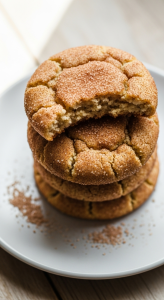

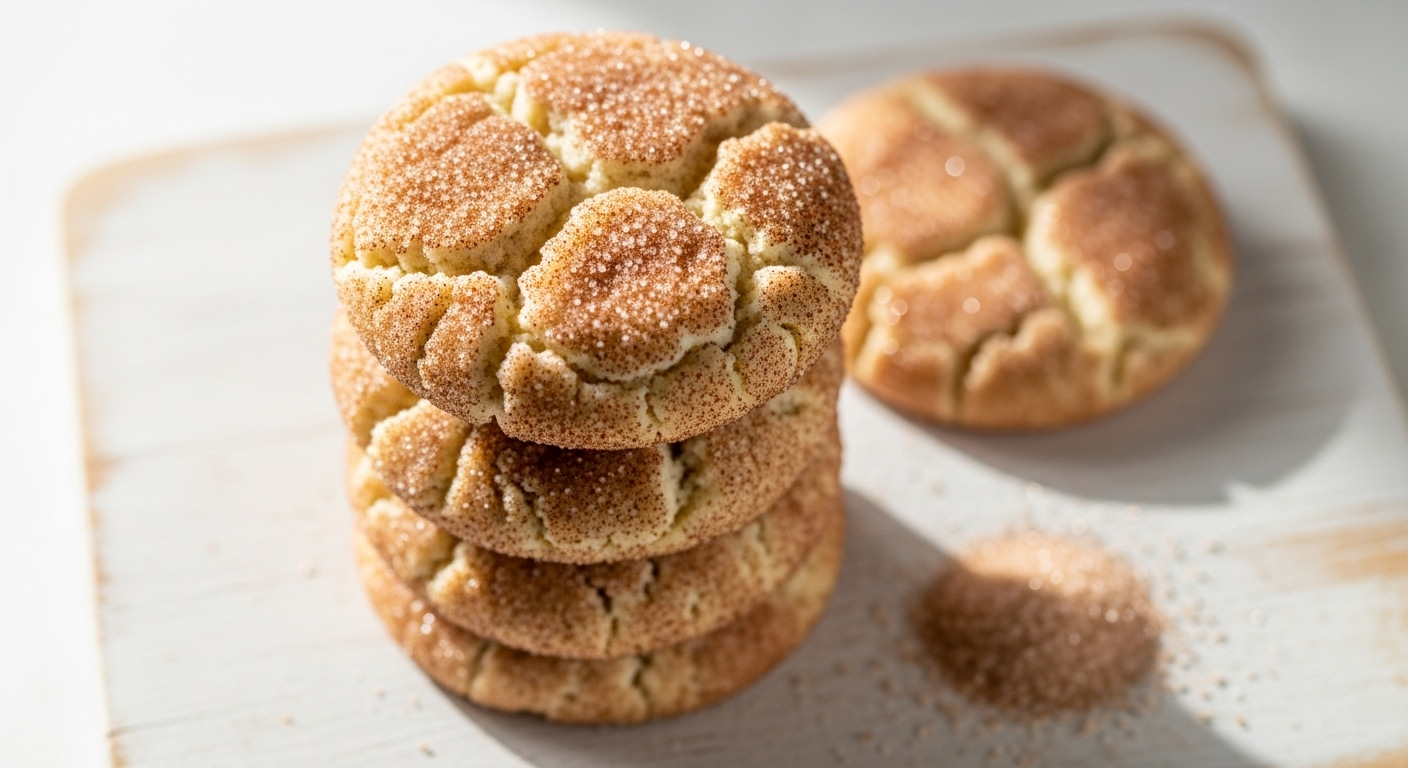
In the world of cookies, few treats capture the cozy magic of home baking quite like the snickerdoodle. With their tender,buttery crumb and signature crackled surface dusted in cinnamon sugar,these cookies are as much a nostalgic tradition as they are a tasty indulgence. But beneath their simple, spiced exterior lies a fascinating web of science – a delicate dance of chemistry and technique that transforms basic pantry staples into the perfect snickerdoodle.From the role of cream of tartar to the alchemy of sugar and heat, join us as we unravel the sweet science behind achieving that ideal balance of soft, chewy texture and crisp cinnamon crust.
The Sweet Science Behind Perfect Snickerdoodle Cookies starts with understanding the delicate interplay of cinnamon and sugar that creates their iconic flavor balance. This classic spice duo does more than add sweetness and warmth-it awakens the senses with a comforting aroma and an inviting crunch that elevates each bite. By thoughtfully mastering the dough’s texture and finesse in baking, you harness the full potential of your ingredients for irresistibly soft-center yet chewy snickerdoodles with just the right crisp edges.
Prep and Cook Time
Readiness: 15 minutes | Chilling: 30 minutes | Baking: 10-12 minutes
Yield
Approximately 24 scrumptious snickerdoodles
difficulty Level
Easy to Medium – accessible for bakers of all skill levels
ingredients
- 2 ¾ cups all-purpose flour, sifted
- 2 teaspoons cream of tartar
- 1 teaspoon baking soda
- ½ teaspoon fine sea salt
- 1 cup unsalted butter, softened
- 1 ½ cups granulated sugar, divided
- 2 large eggs, room temperature
- 2 teaspoons pure vanilla extract
- 3 tablespoons ground cinnamon, divided
Instructions
- Preheat your oven to 375°F (190°C) and line two baking sheets with parchment paper.
- In a medium bowl,whisk together all-purpose flour,cream of tartar,baking soda, and salt. These leavening agents will give your snickerdoodles their signature soft rise and tender crumb.
- In a large mixing bowl, cream the softened butter and 1 cup granulated sugar untill light and fluffy-about 3-4 minutes. This aeration creates the delicate texture crucial for soft, chewy cookies.
- Add the eggs one at a time, beating well after each addition, then stir in the vanilla extract.
- Gradually mix the dry ingredients into the wet until a smooth dough forms. Avoid over-mixing to prevent tough cookies.
- Cover and chill the dough for at least 30 minutes. Chilling solidifies the fats, preventing excessive spreading and encouraging a tender chew.
- In a small bowl, combine the remaining ½ cup sugar with 3 tablespoons cinnamon.This irresistible coating adds a crispy, crackling crust bursting with spice.
- Roll chilled dough into 1.5-inch balls,then gently roll each ball in the cinnamon-sugar mixture until fully coated.
- Place the coated dough balls 2 inches apart on the prepared baking sheets. For an extra crackled surface,gently press each ball down just once before baking.
- Bake for 10-12 minutes until the edges are set and lightly golden, while the centers remain soft. this precise baking time and temperature produce perfectly browned edges with a moist, chewy interior.
- Cool on sheets for 5 minutes before transferring to wire racks to finish cooling.
Chef’s Notes
- Adjust sugar balance: For a more pronounced cinnamon flavor,increase cinnamon to 4 tablespoons and reduce sugar slightly.
- Butter temperature: Ensure butter is softened but not melted to help with dough aeration and soft texture.
- Leavening precision: Cream of tartar combined with baking soda is essential-don’t substitute baking powder as the reaction alters texture and tang.
- make-ahead tip: Dough can be chilled overnight for enhanced flavor development and convenience.
- Prevent spreading: If needed,refrigerate baking sheets for 10 minutes between batches.
Serving suggestions
Serve these warm snickerdoodles with a glass of cold milk or a cup of spiced chai tea. For a festive touch,dust with a light sprinkle of powdered sugar or pair with vanilla ice cream for an indulgent dessert. Garnish with a cinnamon stick or star anise for a cozy presentation.
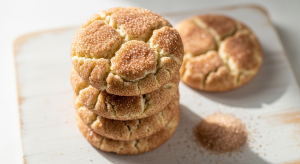
The Sweet science Behind Perfect snickerdoodle Cookies: Nutritional Information
| Nutrition | Per Cookie |
|---|---|
| Calories | 110 |
| Protein | 1.2g |
| Carbohydrates | 17g |
| Fat | 4.5g |
For a deeper dive into cookie chemistry, check out our Baking Basics 101 guide and explore how each element plays its part. To master leavening science further, visit King Arthur Baking’s science Guide.
Q&A
The Sweet Science Behind Perfect Snickerdoodle Cookies: Q&A
Q1: What makes snickerdoodle cookies so uniquely irresistible?
A1: It’s all about that signature crackled surface dusted with cinnamon sugar and their delightfully chewy yet tender texture. The interplay of tangy cream of tartar and cozy cinnamon gives snickerdoodles their distinctive sweet-tart magic, making them stand out in the cookie universe.
Q2: Why is cream of tartar a key ingredient in snickerdoodles?
A2: Cream of tartar is the secret superstar! It’s an acid that reacts with baking soda to create tiny carbon dioxide bubbles, which help the cookies rise and achieve their iconic crinkly tops. Plus, it adds a subtle tanginess that balances the sweetness, giving snickerdoodles their trademark flavor.
Q3: How does the cinnamon sugar coating influence the cookie’s texture and taste?
A3: Rolling the dough balls in cinnamon sugar before baking creates a sweet, slightly crunchy crust that contrasts with the soft interior. The cinnamon’s warmth adds aromatic depth, while the sugar caramelizes slightly during baking, enhancing both texture and flavor.
Q4: What role does dough temperature play in the perfect snickerdoodle?
A4: Temperature is a tactile science! Chilling the dough helps control spread, ensuring cookies stay thick with a chewy center rather than thin and crispy. When the dough hits the oven warm enough to melt butter but still cool enough to retain shape, you get the ideal balance of tenderness and structure.
Q5: Why is the mixing method crucial when making snickerdoodles?
A5: Overmixing can develop too much gluten, yielding tough cookies. Gentle mixing combines ingredients just enough to create a tender crumb. Creaming butter and sugar thoroughly traps air, lending lightness, while careful folding in flour keeps texture soft-science meets artistry in your mixing bowl.
Q6: Can I tweak the ingredients to make snickerdoodles healthier without losing their essence?
A6: Absolutely! Swapping some white flour for whole wheat adds fiber and a nutty note, while reducing sugar slightly keeps sweetness in check. Using unsweetened applesauce can replace some butter for moisture and fat reduction. Just remember, these changes subtly shift texture and flavor, so balance is key.
Q7: How do baking time and oven temperature affect the final cookie?
A7: Baking at a moderately hot temperature (around 350°F/175°C) ensures a crisp exterior with a soft, chewy center. Baking too long creates drier cookies, while underbaking leaves them doughy. Snickerdoodles are best when baked just until edges set and tops crackle-a visual cue has as much science as taste!
Q8: what’s the best way to store snickerdoodles to maintain their perfect texture?
A8: for chewy perfection, store in an airtight container at room temperature with a slice of bread or a damp paper towel. The bread releases moisture that keeps cookies soft without making them soggy-harnessing the power of simple chemistry to extend freshness.
Q9: Is there a scientific reason snickerdoodles have that iconic crinkle on top?
A9: Yes! The crinkle forms from a combination of chemical leavening and sugar crystallization. Cream of tartar’s reaction with baking soda creates gas bubbles that expand during baking,while the cinnamon sugar coating dries and cracks as the dough puffs up,producing that classic crinkled,snow-dusted look.
Q10: What’s the most important science tip for baking consistently perfect snickerdoodles?
A10: Precision matters-measure ingredients by weight, maintain consistent oven temperature, and don’t skip dough chilling. Baking is chemistry, and controlling variables lets you harness reactions perfectly. Mastering these tiny details is your recipe for snickerdoodle success every time.
Concluding Remarks
As we close the chapter on the sweet science behind perfect snickerdoodle cookies, it’s clear that these beloved treats are much more than just sugar and spice. They are a delicate dance of chemistry and craft-where the tang of cream of tartar meets the warmth of cinnamon,and the tender balance of butter and flour creates that signature chewy-crisp bite. Understanding the precise alchemy behind each ingredient and technique transforms baking from a simple kitchen task into a joyful experiment. So next time you mix up a batch,remember: your not just making cookies-you’re mastering a culinary formula that has delighted taste buds for generations. Happy baking, and may your snickerdoodles emerge golden, fragrant, and flawlessly sweet every single time.