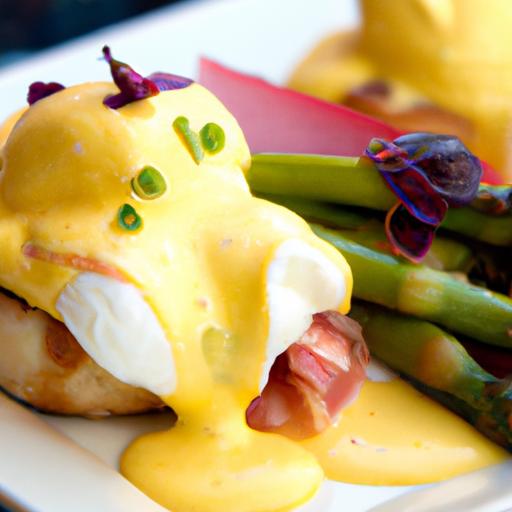

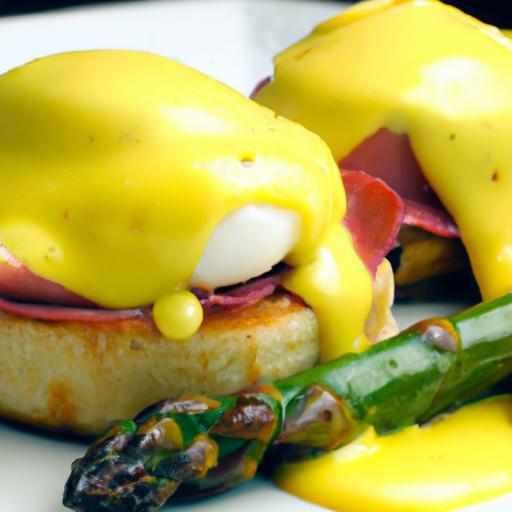
Ther’s something undeniably enchanting about Eggs Benedict-a harmonious symphony of toasted English muffins, delicately poached eggs, and savory Canadian meat, all crowned with a velvety, golden Hollandaise sauce. But behind this brunch classic lies a culinary challenge that trips up even seasoned cooks: Mastering the art of Hollandaise Sauce. This luscious, buttery emulsion is both the crowning glory and the most elusive element of the dish.
In this article, we’ll unravel the secrets to perfecting Hollandaise sauce-transforming a temperamental mixture of egg yolks, lemon, and butter into a silky, tangy masterpiece-and guide you step-by-step toward achieving Eggs Benedict that will dazzle your taste buds and impress any brunch guest. Prepare to elevate your kitchen skills and embrace the art of Hollandaise like a true culinary artist.
Mastering Perfect Eggs Benedict: The Art of Hollandaise sauce begins with understanding the delicate science behind crafting a silky smooth hollandaise. This iconic French sauce is the crown jewel of Eggs Benedict, marrying the tang of citrus with the richness of butter in a luscious emulsion. Achieving that velvety texture takes a keen eye on temperature control and technique – too hot, and the sauce curdles; too cool, and it won’t emulsify properly. The magic lies in coaxing the egg yolks and butter to form a stable mixture that sings on the palate.
Choosing the Freshest Ingredients for Optimal Flavor and Texture
Every sublime hollandaise starts with the freshest ingredients,which elevate the entire dish to new heights. Use farm-fresh egg yolks, as their radiant color and silky consistency are crucial. Fresh lemons provide the freshest citrusy brightness, essential for balancing butter’s richness. Select unsalted European-style butter for its creamy texture and pure flavor-unsalted allows precise seasoning control. Lastly,a pinch of fine sea salt and white pepper completes this classic sauce without overpowering subtle flavors.
Step by Step Guide to Achieving the Perfect Emulsion
- Prepare a gentle double boiler: Place a heatproof bowl over simmering water ensuring the bottom doesn’t touch the water. This indirect heat prevents scrambling while warming the yolks.
- Whisk egg yolks: Combine 3 fresh yolks with 1 tablespoon fresh lemon juice and a pinch of salt in the bowl. Whisk energetically until the mixture lightens in color and slightly thickens.
- slowly incorporate butter: Melt 8 tablespoons of butter until foaming, then add it drop by drop at first, whisking constantly. As the hollandaise begins to form, increase to a slow, steady stream, ensuring a smooth, thick sauce.
- monitor temperature carefully: Keep the bowl warm but not hot (under 140°F/60°C) to maintain emulsion and avoid curdling.
- Season and adjust: Once thickened, taste and add more lemon juice, salt, or white pepper as needed for balance.
Expert Tips for Plating and Serving Classic Eggs Benedict
Presentation is key to showcasing your mastery of this beloved brunch staple. Start with a toasted English muffin half as the foundation-lightly crisped for texture contrast. Layer a perfectly poached egg atop the muffin,ensuring the yolk is still luxuriously runny. Nestle slices of delicate smoked salmon or sautéed spinach underneath for variation without overpowering the hollandaise. Generously spoon the warm sauce over the egg, letting it cascade elegantly down the sides.
For garnish, sprinkle finely chopped chives or fresh tarragon leaves to add a touch of color and fresh herbal aroma. Serve with a side of lightly dressed mixed greens or crispy roasted potatoes to complete the plate. This approach turns a simple breakfast into an unforgettable gourmet experience.
Prep and Cook Time
- Preparation: 10 minutes
- Cooking: 15 minutes
- Total Time: 25 minutes
Yield
- Serves 4 classic Eggs Benedict portions
Difficulty Level
- Medium – requires attention to detail and steady whisking
Ingredients
- 3 large egg yolks, preferably farm-fresh
- 1 tablespoon freshly squeezed lemon juice
- 8 tablespoons unsalted european-style butter, melted and warm
- Pinch of fine sea salt
- Pinch of ground white pepper
- 4 English muffins, split and toasted
- 8 large eggs for poaching
- Optional garnish: finely chopped chives or fresh tarragon leaves
- Optional: smoked salmon or sautéed spinach for layering
Instructions
- Toast English muffins: Split and toast until golden and crispy. Set aside on warmed plates.
- Poach eggs: Bring a large pot of water to a gentle simmer with a splash of vinegar. Crack each egg into a small bowl, then gently slide into water. Poach for 3-4 minutes until whites are set but yolks remain runny.Remove with a slotted spoon and drain on paper towels.
- Make hollandaise sauce: Place egg yolks, lemon juice, and salt into a heatproof bowl set over simmering water. Constantly whisk until pale and thickened.
- Slowly drizzle in warm melted butter: Whisk continuously, starting with drops, then a slow steady stream. Continue whisking until sauce is thick and glossy but not overheated.
- Season with white pepper: Taste and adjust seasoning and lemon juice for brightness as desired.
- Assemble plates: Top each toasted muffin half with optional sautéed spinach or smoked salmon, then a poached egg. generously spoon hollandaise over the egg.
- Garnish: Sprinkle chopped chives or tarragon, and serve promptly with your chosen sides.
Tips for Success
- Maintain low heat: Avoid direct heat when whisking egg yolks to preserve a smooth emulsion.
- Butter temperature: Use warm, not hot, melted butter to prevent curdling.
- If sauce breaks: Rescue by whisking a teaspoon of cold water into the sauce to bring it back together.
- Make-ahead note: Hollandaise is best served fresh but can be gently reheated over a warm water bath, whisking frequently.
- Substitute ideas: For a vibrant twist, try adding a dash of smoked paprika or a few drops of hot sauce to the sauce for complexity.
Serving Suggestions
Present your Eggs Benedict with a light side of peppery arugula salad or crisp roasted fingerling potatoes drizzled with herb-infused olive oil. Highlight the sauce with a delicate sprinkle of microgreens or an edible flower for an Instagram-worthy finish. A freshly squeezed citrus mimosa or a bright herbal tea pairs beautifully, making your brunch both visually stunning and memorably flavorful.
| Nutrient | Per Serving |
|---|---|
| Calories | 520 kcal |
| Protein | 25 g |
| Carbohydrates | 30 g |
| Fat | 35 g |

To deepen your culinary skills, check out our ultimate guide to egg poaching. For a detailed scientific perspective on emulsion sauces, visit the Serious Eats breakdown of hollandaise science.
Q&A
Q&A: Mastering Perfect Eggs Benedict – The Art of Hollandaise Sauce
Q1: What makes Eggs Benedict such a beloved brunch classic?
Eggs Benedict is a harmonious symphony of textures and flavors: the crisp, buttery English muffin, the silky, rich hollandaise, the delicate poached eggs, and the savory accents all come together in a seamless dance. Its balance of creamy, tangy, and tender creates an indulgent yet refined experience that delights the palate.
Q2: Why is hollandaise sauce considered the heart of Eggs Benedict?
Hollandaise sauce is the golden thread that ties the dish together. Its velvety texture and bright, buttery tang elevate the humble poached egg and muffin, adding depth and a luscious finish. Mastering hollandaise is mastering the soul of Eggs Benedict-it’s where technique meets flavor artistry.
Q3: What is the secret to a perfectly smooth and stable hollandaise sauce?
The key lies in temperature control and emulsification.Gently whisking egg yolks over a double boiler while slowly adding melted clarified butter ensures the sauce thickens without scrambling. Patience is essential-too much heat or rushing causes separation. A splash of lemon juice brightens and stabilizes the emulsion, making the sauce silky and vibrant.
Q4: How can I poach eggs so that the whites are tender but the yolks remain runny?
Fresh eggs are your best friend here. Bring a pot of water to a gentle simmer and add a teaspoon of vinegar-it helps whites coagulate faster. Create a gentle whirlpool with a spoon, drop your cracked egg into the center, and let it cook undisturbed for about 3 minutes. The whites will set delicately while the yolks keep their golden, molten magic.
Q5: Are there creative twists to hollandaise sauce that still respect tradition?
Absolutely! While classic hollandaise is divine on its own, subtle infusions can add new dimensions. Consider delicate herbs like tarragon or chives folded in just before serving for freshness.A hint of smoked paprika or a touch of truffle oil can introduce earthiness without overpowering the classic buttery tang.
Q6: How do I assemble Eggs Benedict flawlessly without the sauce separating or the muffin getting soggy?
Timing and layering are crucial. Toast your English muffins until golden and crisp, providing a sturdy base. After poaching eggs, gently blot excess water to prevent sogginess.Assemble quickly: muffin, a layer of fresh greens if desired, the egg, and a generous spoonful of warm hollandaise. Serve immediately for that perfect blend of textures and temperatures.
Q7: can hollandaise sauce be kept warm or reheated without losing its texture?
Hollandaise is delicate and doesn’t hold well for long periods. If needed, keep it warm in a thermos or over very low heat with constant gentle whisking.Reheating can be tricky-avoid direct high heat to prevent breaking. if it separates,a quick rescue trick is whisking in a teaspoon of warm water to bring it back together.
Q8: What are some common pitfalls when making hollandaise, and how can I avoid them?
Common mistakes include overheating (which cooks the eggs into scrambled bits), adding butter too quickly (which breaks the emulsion), and not whisking constantly. To avoid these, maintain a gentle heat, add butter in a slow, steady stream, and keep whisking vigorously.If you’re ever in doubt, a brief rest and gentle rewhisking can often bring the sauce back to life.
Q9: How does mastering hollandaise influence my broader culinary skills?
Hollandaise is a gateway to understanding emulsions,temperature control,and timing-cornerstones of fine cooking.Once you master this sauce, you develop a nuanced sense of patience and precision, skills transferable to many other culinary endeavors, from making mayonnaise to crafting other delicate sauces.
Q10: What final tips can elevate my Eggs Benedict from good to unforgettable?
Focus on ingredient quality-fresh eggs,good butter,and quality english muffins make a world of difference. Keep your sauce warm but not hot, time your assembly to ensure nothing cools before serving, and plate with a flourish-sprinkle freshly chopped herbs or a pinch of bright citrus zest to awaken the senses. remember, cooking is as much about joy and creativity as it is indeed about technique!
Wrapping Up
Mastering the art of Hollandaise sauce is more than just a culinary achievement-it’s an invitation to elevate your breakfast table into a feast of flavor and finesse. With practice, patience, and a little kitchen intuition, you’ll transform simple ingredients into a velvety, golden sauce that crowns your perfectly poached eggs and toasted English muffins with sublime elegance. So next time you’re ready to impress or simply indulge, remember that the secret to flawless eggs Benedict lies in that luscious, buttery drizzle-a timeless testament to the magic that happens when technique meets passion. Happy saucing!