
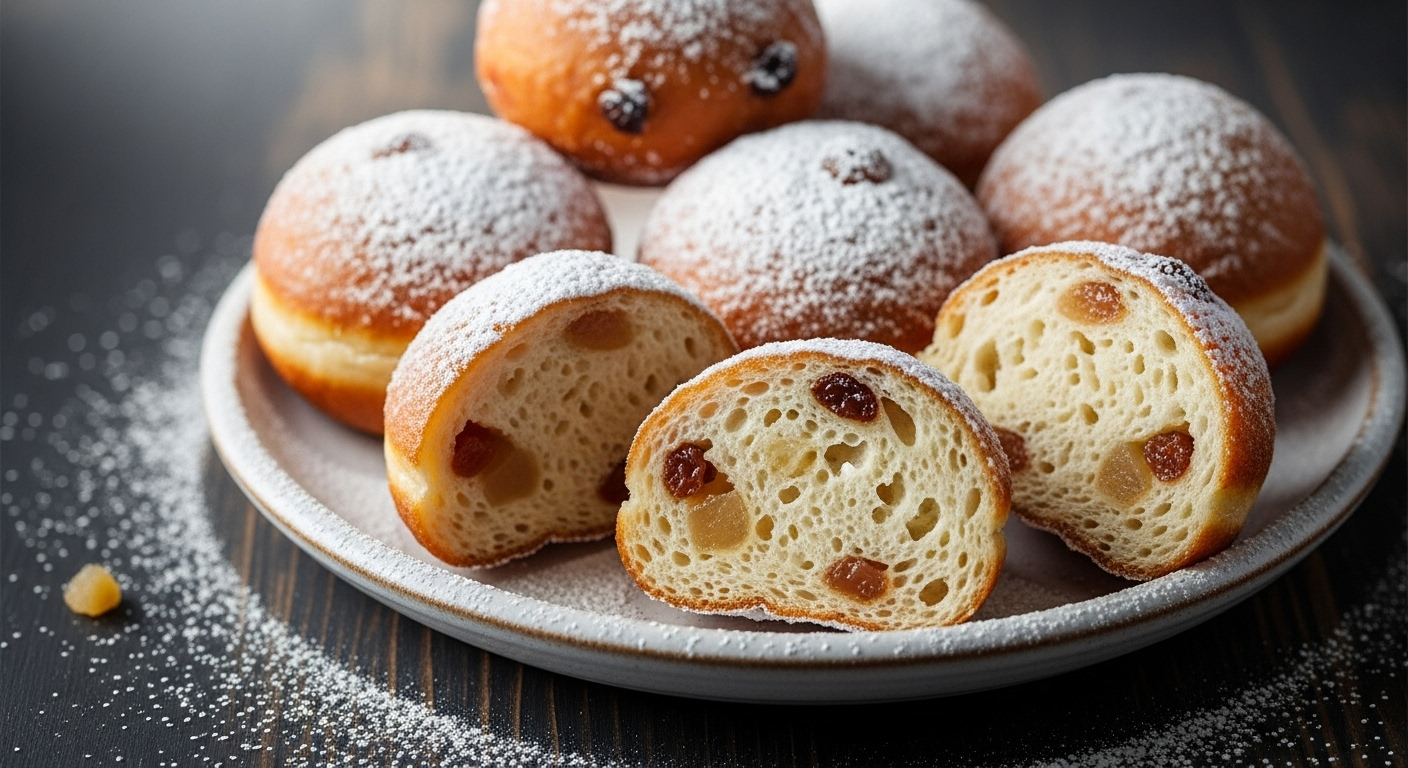
When winter’s chill begins to bite and festive lights flicker through the frosty air, Dutch streets come alive with the irresistible aroma of a beloved seasonal treat: oliebollen. Often described as the Netherlands’ answer to the doughnut, these golden, pillowy spheres are much more than just sweet fried dough-they are a cultural emblem, steeped in history and tradition.
In this article, we peel back the powdered sugar dust to explore the engaging origins, regional variations, and timeless appeal of oliebollen. Whether you’re a curious foodie or a festive enthusiast, prepare to unwrap the story behind the Dutch doughnut delights that have been captivating taste buds for centuries.
Oliebollen Unwrapped invites you to embark on a appetizing journey into one of the Netherlands’ most cherished culinary traditions. These Dutch doughnut delights, golden and pillowy, have warmed hearts and celebrations for centuries. With a history dating back to medieval times,oliebollen were originally eaten for sustenance during the cold winter months and evolved into a festive staple,especially admired during New Year’s Eve. Their crisp exterior and tender,fruity interior tell tales of cultural richness and joyous gatherings. Whether you’re a seasoned baker or a curious food adventurer, mastering the art of oliebollen will bring authentic taste and magic to your kitchen.
Prep and Cook Time
- Planning: 15 minutes
- Rising: 1 hour 30 minutes
- Cooking: 20 minutes
- Total Time: 2 hours 5 minutes
Yield
Approximately 20 medium-sized oliebollen, perfect for sharing at festive gatherings or cozy family moments.
Difficulty Level
Medium: Requires some patience for dough rising and frying technique, but easily approachable with clear steps.
Ingredients
- 3 ½ cups all-purpose flour, sifted
- 2 teaspoons active dry yeast
- 1 teaspoon granulated sugar
- 1 ½ cups lukewarm milk (about 110°F/43°C)
- 2 large eggs
- ½ teaspoon salt
- 1 cup raisins or currants, soaked in warm water 10 minutes, drained
- 1 small apple, peeled and finely diced
- 1 teaspoon ground cinnamon (optional)
- Vegetable oil, for deep frying
- Powdered sugar, for dusting
Instructions
- Activate the Yeast: In a small bowl, combine lukewarm milk, sugar, and yeast. Stir lightly and let sit for 5-10 minutes until frothy.This signals the yeast is active and ready.
- Make the Dough: In a large bowl, whisk together the sifted flour and salt.Create a well in the center and add the frothy yeast mixture and eggs. Stir gently until combined into a thick batter.
- Add Fruits and Spices: Fold in the soaked raisins, diced apple, and cinnamon for an extra fragrant touch. The fruit adds moisture and bursts of flavor inside the doughnuts.
- Rise and Rest: Cover the bowl with a clean kitchen towel or plastic wrap. Place it in a warm spot and allow the dough to rise for 1 to 1.5 hours, or until doubled in volume. This rise is key for those airy oliebollen.
- Prepare for Frying: Heat a deep fryer or heavy pot with at least 3 inches of vegetable oil to 375°F (190°C). Use a deep-frying thermometer for accuracy to avoid soggy or burnt results.
- Form and Fry: Using two spoons or an ice cream scoop, carefully drop heaping spoonfuls of dough into the hot oil. Fry a few at a time to avoid overcrowding. fry for about 3-4 minutes per batch, turning halfway, until golden and crisp.
- Drain and Cool: Remove oliebollen with a slotted spoon and drain on paper towels. This prevents excess oiliness and keeps them light.
- Serve: Liberally dust with powdered sugar just before serving for that classic festive finish. enjoy warm for the best melt-in-your-mouth experience.
Tips for Success
- Fruit Variation: Experiment with dried cherries,cranberries,or chopped dried apricots for a fruity twist. Fresh apple pieces must be finely diced to cook through.
- Oil Temperature: Maintaining the correct oil temperature is critical. Too low and oliebollen will absorb oil; too high and they burn before cooking inside.
- Make Ahead: The dough can be prepared a day in advance; refrigerate overnight and let it come to room temperature before frying.
- Gluten-Free: Substitute half the flour with gluten-free all-purpose flour blends-but expect slight texture differences.
- Extra Fluffy: For lighter oliebollen, gently fold the batter after rising rather of vigorous stirring to keep air pockets intact.
Serving Suggestions
Present oliebollen piled high on a rustic wooden board or tiered cake stand for an inviting centerpiece.Dust with a thick cloud of powdered sugar just before serving. Pair them with a dollop of whipped cream or a drizzle of warm vanilla custard for added indulgence. Complement with mulled wine or a crisp Dutch beer during holiday gatherings to highlight cultural authenticity. Garnish with a sprig of fresh mint or a dusting of cinnamon for a cozy aroma.
| Nutrient | Per Serving (1 Oliebol) |
|---|---|
| Calories | 180 kcal |
| Protein | 4 g |
| Carbohydrates | 30 g |
| Fat | 5 g |
For those eager to dive deeper into conventional European festive treats, explore our detailed guide on Traditional European Festive Doughnuts. To learn more about the cultural history of Dutch cuisine, the Dutch Culture USA site offers remarkable insights.
Q&A
Q&A: Oliebollen Unwrapped – Dutch Doughnut Delights Explored
Q1: What exactly are oliebollen?
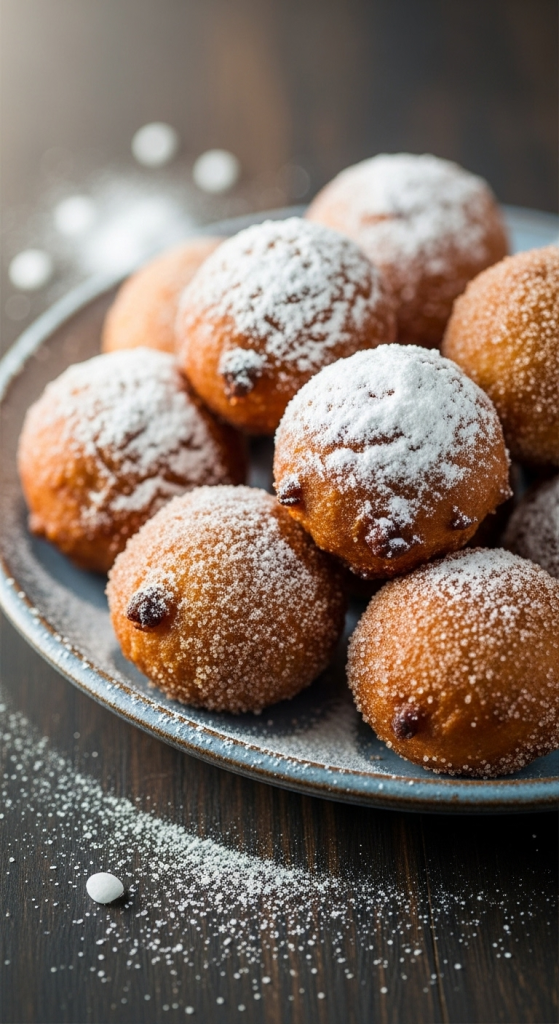
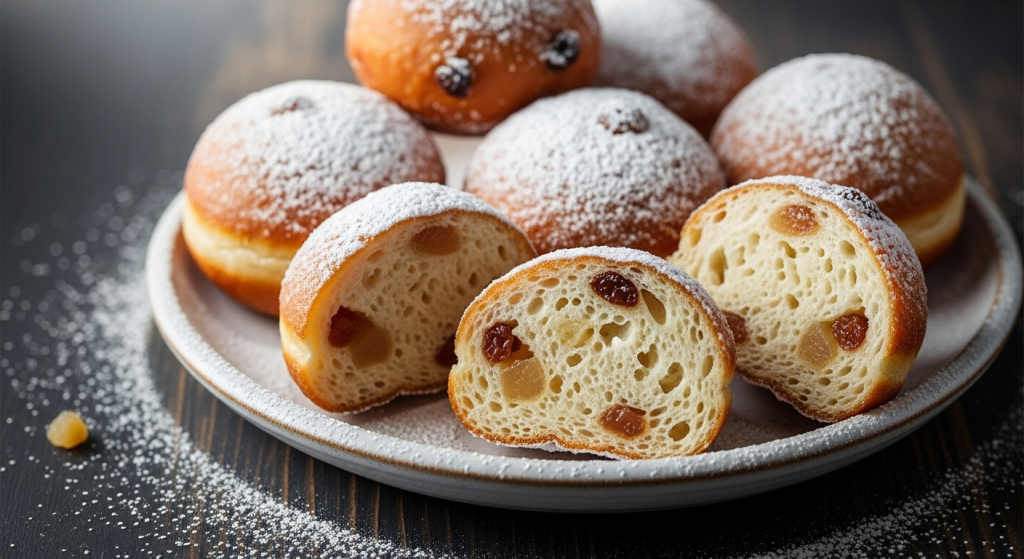
A1: Oliebollen, often dubbed the Dutch doughnut, are golden, deep-fried balls of dough usually studded with raisins or currants. Traditionally dusted with powdered sugar, these fluffy treats strike the perfect balance between crispy exterior and pillowy interior-a comforting bite of Dutch heritage.
Q2: How did oliebollen become a Dutch tradition?
A2: The origins of oliebollen stretch back centuries, possibly to medieval times when Dutch sailors fried dough balls to sustain themselves at sea. By the 17th century, they became a festive staple, especially during New Year’s celebrations, symbolizing good luck and prosperity for the coming year.
Q3: Are oliebollen eaten only in the netherlands?
A3: While their roots are firmly Dutch,oliebollen have crossed borders thanks to Dutch émigrés. You’ll find variations in places like Belgium, parts of Germany, and even Canadian cities with Dutch communities. However, their quintessential charm remains best experienced on the chilly streets of the Netherlands during winter fairs.
Q4: What ingredients give oliebollen their signature flavor?
A4: The magic lies in a simple but effective combination-flour, eggs, milk, yeast, and a sprinkle of sugar. Add-ins like raisins, currants, or diced apples enhance the natural sweetness, while the yeast ensures a light, airy texture. The final dusting of powdered sugar is, of course, the pièce de résistance.
Q5: How do oliebollen differ from other doughnuts?
A5: Unlike the ring-shaped American doughnut or the jam-filled Berliner, oliebollen are spherical and unfilled (even though variations exist).Their dough is richer and yeast-leavened, resulting in a denser yet soft bite. Plus,the inclusion of dried fruit and the generous powdered sugar coating give oliebollen a uniquely Dutch personality.
Q6: Can oliebollen be made at home?
A6: Absolutely! Making oliebollen is a joyous kitchen experiment best suited to the holiday season. It requires patience for the dough to rise and skillful frying to achieve that perfect golden crust. Numerous recipes offer tips, from choosing the right oil to tweaking the fruit mix, empowering you to bring Dutch festivity to your own table.
Q7: Are there modern twists on traditional oliebollen?
A7: Yes! contemporary bakers are experimenting with fillings like chocolate chips, speculaas spices, or even savory options with cheese and herbs. Some artisans serve them with dipping sauces ranging from caramel to berry compote, blending tradition with innovation while paying homage to the classic oliebollen spirit.
Q8: Why is oliebollen such an integral part of Dutch New Year’s Eve?
A8: Oliebollen symbolize warmth, fortune, and togetherness. Eating them on New Year’s Eve is a ritual that brings families and communities close while welcoming the future with sweetness. It’s not just about savoring a delicious treat-it’s about sharing hope,joy,and tradition as the old year fades and the new one dawns.
Q9: Where can one experience the best oliebollen in the Netherlands?
A9: The streets of Amsterdam, Rotterdam, and Utrecht come alive with oliebollen stalls from December through January. Local markets, winter festivals, and even roadside vendors compete proudly for the title of “best oliebollen,” making it a delightful gastronomic treasure hunt.
Q10: How does oliebollen connect to Dutch culture beyond food?
A10: Oliebollen embody the Dutch values of gezelligheid-a cozy, convivial atmosphere-and resilience. They remind us how simple ingredients, shared traditions, and a bit of culinary magic can create bonds across generations, seasons, and celebrations. In every powdered-sugar dusted bite lies a slice of Dutch identity, unwrapped and savored.
In Retrospect
As the last powdered sugar settles and the final bite of oliebollen melts away, it’s clear that these Dutch doughnut delights are much more than simple pastries. They are edible stories-rooted in tradition, sprinkled with history, and filled with festive spirit. Whether enjoyed at a bustling market stall or crafted lovingly at home, oliebollen invite us to savor a delicious piece of Dutch culture. So next time the year draws to a close, let these golden, fluffy treasures unwrap not only your taste buds but also a warm connection to centuries-old celebrations. After all, with oliebollen in hand, every bite is a sweet festivity waiting to be discovered.