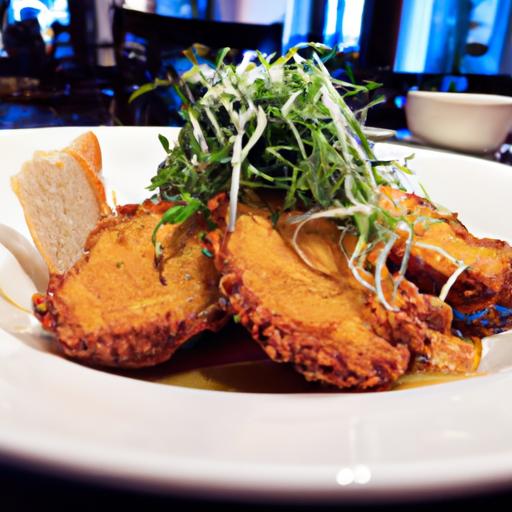

In the realm of Japanese cuisine, where delicate flavors meet meticulous technique, few dishes capture the imagination quite like Chicken Katsu. Beyond it’s golden, crispy exterior lies a story of tradition, precision, and culinary artistry that has been lovingly preserved through generations. “Crisp & Classic: The Art of Authentic Japanese Chicken Katsu” invites you to journey into the heart of this beloved comfort food, uncovering the secrets behind its perfectly crunchy crust and tender, juicy core. Whether you’re a seasoned foodie or a curious cook, this exploration reveals how simplicity, when mastered, transforms everyday ingredients into an unforgettable experience-one crisp bite at a time.
Crisp & Classic: The Authentic Japanese Chicken Katsu draws its roots from post-Meiji era Japan, a period where Western culinary influences began to harmonize with traditional Japanese techniques. this savory delight combines tender, juicy chicken with an irresistibly crispy coating that evokes comfort and nostalgia in every bite. Inspired by the Japanese adaptation of European schnitzel, chicken katsu has since become a beloved staple, cherished for its perfect balance of texture and flavor.Whether enjoyed at a bustling izakaya or a quiet home kitchen, this dish embodies a cultural fusion that is both elegant in technique and heartfelt in its simplicity.
Prep and Cook Time
- Preparation: 15 minutes
- Cooking: 10 minutes
- Total Time: 25 minutes
Yield
Serves 4 generous portions
Difficulty Level
Easy to Medium – Perfect for home cooks eager to master a classic Japanese comfort food
Ingredients
- 4 boneless, skinless chicken thighs (or chicken breasts, pounded to even thickness)
- 1 cup all-purpose flour, sifted
- 2 large eggs, beaten
- 1 ½ cups panko breadcrumbs (Japanese-style breadcrumbs)
- Salt and freshly ground black pepper, to taste
- Vegetable oil (for shallow frying, about ½ inch depth)
- Ton katsu sauce (store-bought or homemade for drizzling)
- Shredded cabbage (for serving)
- Cooked Japanese short-grain rice (optional side)
Instructions
- Prepare the chicken: Lightly season both sides of the chicken thighs with salt and pepper.Using a meat mallet or rolling pin, gently pound each piece evenly to about ½ inch thickness to ensure uniform cooking and tenderness.
- Set up the breading station: Place sifted flour in one shallow bowl,beaten eggs in a second,and panko breadcrumbs in a third. For an ultra-crispy coating, use fresh panko and do not press the crumbs too hard during coating.
- Coat the chicken: First dredge each chicken piece in flour, shaking off excess. Next, dip it into the beaten eggs, ensuring full coverage. press firmly into the panko breadcrumbs, making sure the entire surface is evenly coated.
- Heat the oil: In a large skillet or frying pan, pour vegetable oil to a ½ inch depth. Heat over medium to medium-high until it reaches 350°F (175°C) or until a breadcrumb dropped in sizzles promptly.
- Fry the chicken: Carefully place breaded chicken into the hot oil. Fry for about 4-5 minutes on each side, or until the coating is golden-brown and crisp, and the internal temperature reaches 165°F (74°C). Avoid overcrowding the pan to maintain even cooking.
- Drain and rest: transfer fried chicken to a wire rack or a plate lined with paper towels to remove excess oil and preserve crispness.
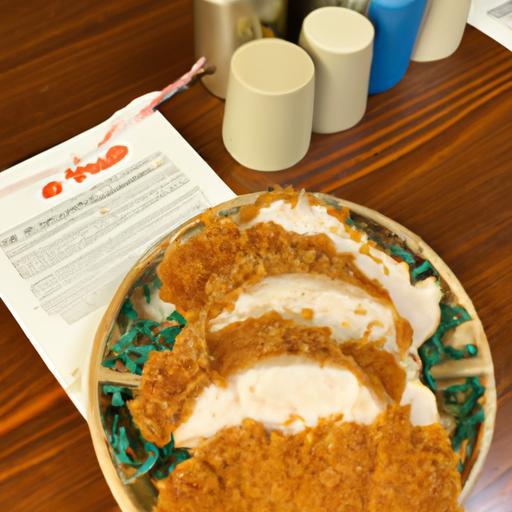
- Slice and serve: Cut the chicken katsu into 1-inch strips.Serve immediately with a generous drizzle of ton katsu sauce, accompanied by shredded cabbage and steamed rice if desired.
Tips for Success
- Choosing panko: Japanese panko breadcrumbs create the signature crisp texture. Avoid regular breadcrumbs for an authentic crunch.
- Oil temperature matters: Maintain steady heat-too low and the coating will absorb oil and become soggy; too high and the crust burns before the inside cooks.
- Use chicken thighs for juicy, flavorful results, but thinly pounded chicken breast works well for a leaner option.
- Make-ahead: Coat the chicken and refrigerate uncovered on a rack for 20 minutes before frying to help the breading adhere better.
- Variations: For gluten-free adaptations, substitute all-purpose flour with rice flour and use gluten-free panko.
Serving Suggestions and Pairings
Present your chicken katsu sliced on a warm plate, with a vibrant mound of finely shredded cabbage lightly tossed in a splash of rice vinegar or a zingy sesame dressing. A classic side of steamed Japanese rice,preferably short-grain,adds comforting balance to the crisp textures. To elevate the experience, serve with a side of tangy ton katsu dipping sauce-its sweet, savory, and slightly tart profile cuts through the richness beautifully.
For an added layer of freshness, garnish with finely chopped scallions or a sprinkle of toasted sesame seeds. A bowl of miso soup or a small sunomono (cucumber salad) can refresh the palate and complete the meal.This versatile dish also pairs exceptionally well with pickled ginger or even a light soy-ginger dipping sauce for a modern twist.
| Nutrient | Per Serving |
|---|---|
| Calories | 420 kcal |
| Protein | 35 g |
| Carbohydrates | 28 g |
| Fat | 18 g |
Discover how to make japanese curry to complement your Chicken katsu perfectly. For more history and cultural insights on katsu-style dishes,visit Japan Guide’s Katsu Overview.

Q&A
Q&A: Crisp & Classic: The Authentic Japanese Chicken Katsu
Q1: What makes Japanese chicken katsu truly authentic?
A1: Authentic Japanese chicken katsu is all about simplicity and precision. It starts with tender chicken breast, carefully seasoned and coated in a delicate yet crunchy layer of panko breadcrumbs. The magic lies in the perfect technique: a light dredge in flour, a gentle dip in egg wash, and a generous but even coating of panko. The key is frying until golden brown and irresistibly crisp, sealing in juicy tenderness inside.
Q2: How is chicken katsu different from other fried chicken dishes?
A2: Unlike heavily battered or heavily spiced fried chicken varieties, chicken katsu celebrates a refined, minimalist approach. The use of panko breadcrumbs gives it a uniquely airy crunch, while the subtle seasoning allows the natural flavor of the chicken to shine. It’s less oily, lighter in texture, and paired with specific accompaniments like tonkatsu sauce and shredded cabbage that emphasize balance and harmony.
Q3: What role does panko play in achieving the iconic crispiness?
A3: Panko breadcrumbs are the unsung hero of chicken katsu. These Japanese-style breadcrumbs are coarser and flakier than traditional Western breadcrumbs, wich means they fry up into a lighter, crispier crust that doesn’t absorb too much oil. This distinct texture provides that signature crunch and brilliant golden color, creating a satisfying contrast with the tender chicken inside.
Q4: Can chicken katsu be made healthier without sacrificing its classic texture?
A4: Absolutely! By using skinless chicken breast and controlling oil temperature during frying, you can reduce excess grease and calorie content. Some home cooks even experiment with oven-baking or air-frying the breaded chicken, which delivers a crisp exterior with less fat. The secret is maintaining that panko coating and not over-soaking the chicken to avoid sogginess.
Q5: What sauces and sides traditionally accompany chicken katsu?
A5: The classic companion to chicken katsu is a rich, tangy tonkatsu sauce-an umami-packed, slightly sweet condiment that elevates the mild flavors of the chicken. Freshly shredded cabbage often serves as a crisp, refreshing counterbalance. Many also enjoy a scoop of steamed white rice or a bowl of miso soup to complete this comforting meal.
Q6: Is there an art to slicing chicken katsu before serving?
A6: Yes! Presentation and texture go hand in hand. The chicken katsu is typically sliced into even strips, making each bite easy to pick up and ensuring a balance of tender meat and crispy breadcrumb. This style also encourages sharing and creates a pleasing layered look on the plate-a hallmark of Japanese culinary aesthetics.
Q7: Beyond chicken, are there other protein choices suitable for a similar preparation?
A7: While this article focuses on chicken, the katsu method can be adapted to various proteins like firm fish fillets or even tofu for plant-based twists. The essence remains the same: a clean-flavored core wrapped in a crispy, golden panko crust, allowing the main ingredient to shine through in every bite.
Q8: How can home cooks capture the authentic taste and texture of chicken katsu?
A8: The secret lies in attention to detail: use fresh chicken breast, keep the panko dry and coarse, carefully monitor oil temperature (ideal is around 170-180°C or 340-355°F), and avoid overcrowding the pan for even frying. Pair with homemade or high-quality tonkatsu sauce and fresh cabbage for that classic balance. With patience and practice,anyone can master this crisp and classic Japanese favorite.
To Conclude
As the golden crust of an authentic Japanese chicken katsu melts away with each bite, it reveals more than just tender, juicy meat - it uncovers a story of culinary tradition, precision, and balance. Mastering this art is about honoring simplicity while embracing technique, where every crumb and every sizzling moment counts. Whether enjoyed piping hot with a tangy tonkatsu sauce or paired with a bed of fragrant rice and fresh cabbage, chicken katsu stands as a timeless testament to Japan’s dedication to flavor and texture.
So next time you crave that perfect crunch wrapped in comforting warmth, remember: behind every crispy bite lies a craft perfected through generations, inviting you to savor the true essence of authentic Japanese comfort food.