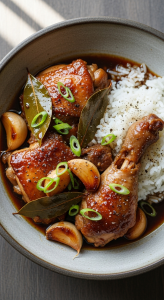

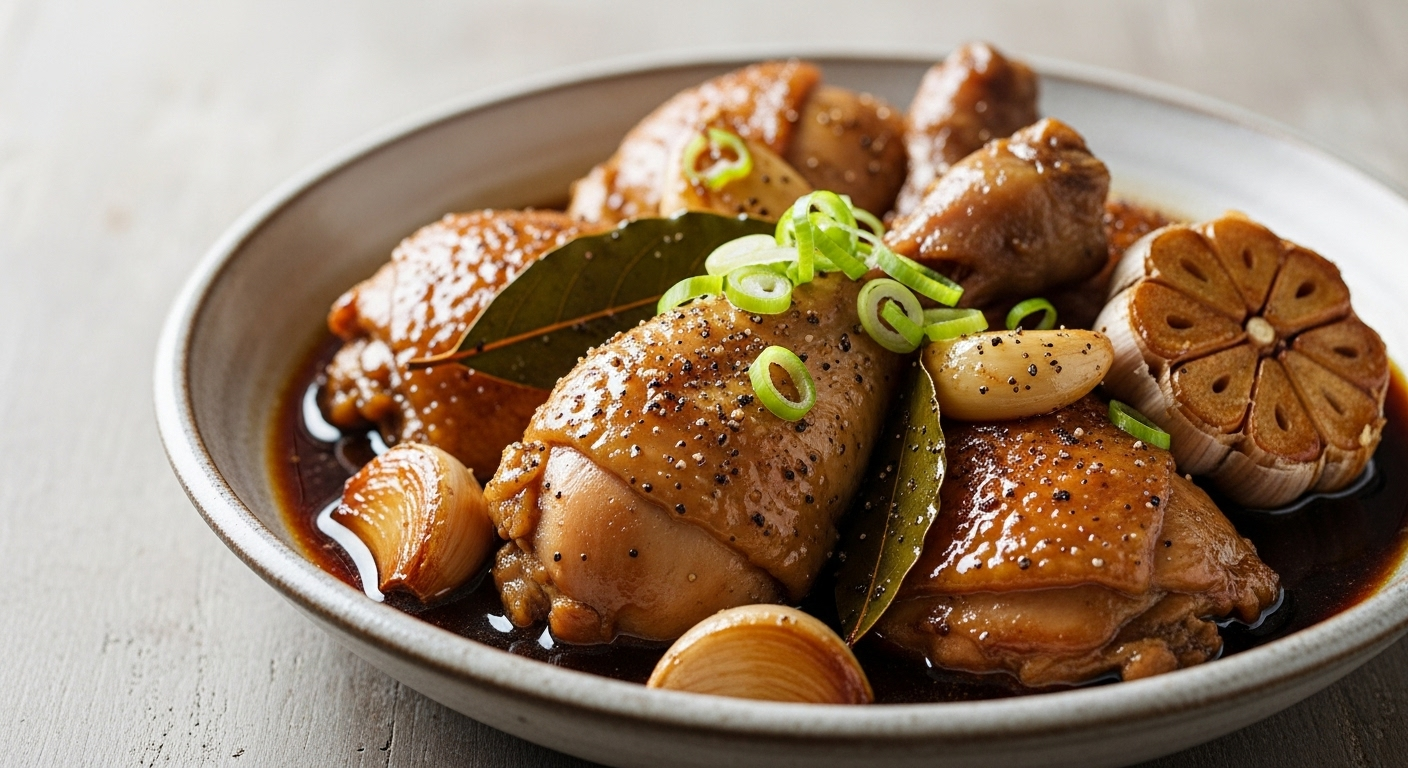
In the vibrant tapestry of filipino cuisine, few dishes capture the soul of the islands quite like Chicken Adobo. More than just a meal,this iconic recipe is a journey through history,culture,and the collective memory of a nation.With its harmonious blend of tangy vinegar,savory soy sauce,fragrant garlic,and warm spices,Chicken Adobo is a flavorful testament to the ingenuity and heart of Filipino cooking.
As we delve into the story behind this beloved dish, we uncover how chicken Adobo has become much more than a recipe-it is indeed the very heartbeat of Filipino flavor tradition, passed down through generations and celebrated in every Filipino home.
Chicken Adobo: The Heart of Filipino flavor Tradition
Chicken Adobo: the heart of Filipino Flavor Tradition is more than just a dish; it is a vibrant story simmering with history and culture in every tender bite. This iconic Filipino stew, deeply rooted in local traditions and centuries-old cooking techniques, perfectly balances tangy, savory, and slightly sweet notes that define Filipino comfort food at its best.Whether enjoyed in humble provincial kitchens or on festive tables, its timeless flavor connects families and generations.
Prep and Cook Time
- Planning Time: 15 minutes
- Marinating time: 1 hour (preferably overnight)
- Cooking Time: 40 minutes
- Total Time: 1 hour 55 minutes
Yield
Serves 4 hearty portions, perfect for sharing around the dinner table.
Difficulty Level
Easy to Medium: Perfect for home cooks wanting to master Filipino comfort food with approachable techniques.
Essential Ingredients and their Role in Crafting Authentic Flavor
- 2 lbs bone-in chicken thighs – Juicy, flavorful pieces that stay tender.
- 1/2 cup soy sauce – The salty backbone, lending umami depth.
- 1/2 cup cane vinegar – Provides the characteristic tang and bright acidity.
- 1 cup water – To balance and form the flavorful braising liquid.
- 6 cloves garlic, crushed – Offers pungency and aromatic warmth.
- 3 bay leaves – Earthy and herbal notes that subtly infuse the stew.
- 1 tsp whole black peppercorns – Adds gentle heat and spice complexity.
- 2 tbsp brown sugar (optional) – Balances acidity with touch of sweetness.
- 2 tbsp cooking oil – For browning chicken, enhancing flavor through caramelization.
Step-by-Step Techniques for Perfectly Tender and Savory Chicken Adobo
- Marinate the chicken: Combine chicken thighs, soy sauce, and crushed garlic in a covered bowl.Refrigerate for at least 1 hour, or overnight for deeper flavor penetration.
- Sear the chicken: Heat cooking oil in a large skillet or Dutch oven over medium heat. Remove chicken from marinade (reserve marinade) and sear skin-side down until golden brown,about 5 minutes. Flip and brown the other side for an additional 3 minutes. This step locks in juices and adds rich caramelized notes.
- Build the adobo sauce: Pour the reserved marinade, vinegar, water, bay leaves, and peppercorns into the pot. Avoid stirring after adding vinegar until boiling to keep its bright acidity.
- Simmer to tender perfection: Bring to a gentle boil, then reduce heat to low and cover. Let the chicken simmer for 30-40 minutes until tender and easily pierced with a fork, stirring occasionally.
- Optional sweetness and thickening: Add brown sugar in the last 10 minutes to balance tanginess.If you prefer a thicker sauce, remove the lid to reduce the liquid for 5-10 minutes, stirring gently.
- Final seasoning adjustment: Taste and add additional soy sauce or a pinch of salt if needed.
- Rest and serve: Let the adobo rest for a few minutes before plating. This allows the sauce to thicken and flavors to meld beautifully.
Chef’s Notes: Tips for Success
- Cut preference: Bone-in cuts retain moisture far better than boneless; skin-on adds extra crispiness when seared.
- Vinegar choice matters: Use traditional cane vinegar for its mellow tang; white vinegar may overpower.
- Garlic intensity: Crushing garlic releases more flavor than slicing – don’t skip this step!
- Make ahead: Chicken adobo tastes even better the next day as the flavors intensify overnight in the fridge.
- Variations: Try adding coconut milk for a creamy twist or incorporating hard-boiled eggs for additional texture.
- Storage: Keep leftovers refrigerated up to 3 days or freeze portions for up to 1 month.
Creative Twists and Serving Suggestions to Elevate Your Adobo experience
Serve your Chicken Adobo piping hot over steamed jasmine or garlic fried rice to soak up that luscious sauce. Garnish with freshly chopped green onions or crispy garlic chips for added texture and aroma. For a contemporary spin, drizzle a squeeze of calamansi (Filipino lime) at the table for zing.
For a resturant-style presentation,plate alongside pickled papaya (atchara) or roasted vegetables to contrast the rich umami profile. Consider stuffing adobo-kissed chicken into warm bao buns for an innovative appetizer or layering as a filling in savory pies and quesadillas.
Nutritional Information (Per Serving)
| Calories | protein | Carbohydrates | Fat |
|---|---|---|---|
| 320 kcal | 28 g | 6 g | 18 g |
For more traditional Filipino recipes, check out our guide on Classic Pancit Noodles. To explore the rich history of Filipino vinegar used in adobo, visit this National Center for Complementary and Integrative Health resource.
Q&A
Q&A: Chicken Adobo – The Heart of Filipino Flavor Tradition
Q1: what is Chicken Adobo, and why is it considered a quintessential Filipino dish?
Chicken Adobo is a savory stew of chicken simmered in a tangy blend of vinegar, soy sauce, garlic, bay leaves, and black pepper. it’s hailed as the quintessential Filipino dish because it captures the unique marriage of indigenous and colonial influences, reflecting the Philippines’ rich history and vibrant culinary spirit. More than a recipe, it’s a flavorful symbol of Filipino identity and home-cooked comfort.
Q2: How did Chicken Adobo originate?
The origins of Chicken Adobo date back centuries, before Spanish colonization. The term “adobo” comes from the Spanish word for marinade, but the cooking method of stewing meat in vinegar and spices was a native preservation technique.This clever use of vinegar not only added flavor but also helped keep food fresh in the tropical climate-a practical tradition that evolved into a beloved national dish.
Q3: What makes Chicken Adobo’s flavor profile so distinctive?
Chicken Adobo’s magic lies in its balance of salty, tangy, garlicky, and slightly sweet notes.The vinegar imparts a sharp brightness, while soy sauce delivers umami depth. Garlic and bay leaves add aromatic warmth, and a gentle slow simmer helps the flavors meld into a rich, hearty sauce. This dynamic interplay creates a comforting yet boldly flavorful stew that feels familiar and exciting at the same time.
Q4: Are there regional variations of Chicken Adobo across the philippines?
Absolutely! While the core ingredients remain constant,regional twists abound. Some areas add coconut milk for creaminess, others incorporate potatoes or hard-boiled eggs for texture. In the Visayas, you might find a sweeter adobo, while in Luzon, the focus often leans more on tanginess. Each variation tells a story of local tastes and ingredients, showcasing the dish’s versatility.
Q5: How is Chicken Adobo traditionally served?
Chicken Adobo is typically served steaming hot over plain white rice, allowing the rice to soak up the luscious, savory sauce. It’s a humble yet hearty meal that embodies Filipino “comfort food.” It’s also often part of festive gatherings, where its familiar aroma evokes feelings of family, hospitality, and cultural pride.
Q6: Can Chicken Adobo be adapted for modern palates or dietary preferences?
Definitely! While traditionalists may prefer the classic recipe, modern cooks experiment by adding ingredients like pineapple for sweetness, substituting chicken for pork, or using low-sodium soy sauce for a healthier version. Vegetarian versions use tofu or mushrooms soaked in the characteristic adobo marinade, proving that the essence of adobo transcends ingredients-it’s the soulful balance of flavors that defines it.
Q7: Why has Chicken Adobo remained a timeless dish across generations?
Chicken Adobo endures because it’s more than food; it’s a cultural anchor. its simplicity invites everyone to recreate it at home, while its deep flavors offer comfort and festivity alike. Each pot stirred signals continuity-a connection to ancestors and a shared Filipino heritage that nourishes both body and soul. Through every bite, the heart of filipino flavor tradition lives on.
Concluding Remarks
As the rich, tangy aroma of Chicken Adobo lingers in the air, it serves as more than just a tantalizing invitation to the dinner table-it embodies the very essence of Filipino heritage. This humble dish, with its harmonious blend of vinegar, soy, garlic, and spices, tells a story passed down through generations, carrying the warmth of family gatherings and the spirit of resilience. Whether savored in a bustling Manila market or recreated in a quiet kitchen far from home, Chicken Adobo remains a timeless symbol of tradition, flavor, and identity. In every tender bite lies a celebration of culture, reminding us that food is not merely sustenance but a flavorful thread that weaves together the heart of Filipino flavor tradition.