
In the heart of Italy’s rich culinary tapestry lies a dessert that dances gracefully between tradition and indulgence: Marsala Zabaglione. This silky custard, infused with the warm, nutty notes of Marsala wine, has been captivating palates for centuries. Often enjoyed as a luxurious finale to a decadent meal or a comforting treat on a quiet afternoon, Marsala Zabaglione embodies the essence of Italian elegance and simplicity. Join us as we delve into the timeless allure of this velvety delight, exploring it’s origins, cultural significance, and the art of crafting the perfect custard that continues to enchant dessert lovers around the world.
Best Marsala Zabaglione holds a special place in Italian culinary heritage, enchanting those who taste its airy, velvety texture paired with the warm, fragrant notes of Marsala wine. Originating from the northern regions of Italy, especially Sicily and Piedmont, this delicate custard has been a symbol of celebratory meals and family gatherings for centuries. Often crafted lovingly over a gentle heat, Marsala Zabaglione transforms just a few simple ingredients into a luxurious dessert that feels both nostalgic and indulgent. Its silky smooth finish and beautifully light structure make it a timeless staple that continues to inspire home cooks and professional chefs alike.
Prep and Cook Time
- Preparation Time: 10 minutes
- Cooking Time: 8 minutes
- Total Time: 18 minutes
Yield
- Serves 4 generous portions
Difficulty level
- Medium – requires gentle heating and attentive whisking to achieve perfect texture
Ingredients
- 4 large egg yolks (room temperature)
- ½ cup granulated sugar
- ⅓ cup dry Marsala wine
- 1 tsp pure vanilla extract
- A pinch of fine sea salt
The Art of Crafting Silky Smooth Zabaglione at Home
Crafting this custard requires patience and finesse, but the payoff is remarkable. Begin by placing the egg yolks, sugar, and salt in a heatproof bowl. Set the bowl over a pot of simmering water - ensuring the bottom doesn’t touch the water – creating a gentle double boiler. Whisk vigorously in a circular motion, incorporating air until the mixture thickens and turns a soft lemon-yellow.
Slowly add the Marsala wine in a steady stream, allowing it to meld with the eggs while whisking continuously to maintain a frothy, airy texture. The final phase is crucial: whisk for an additional few minutes until the zabaglione forms soft peaks and a lusciously creamy sheen.
Serve immediately or keep warm over very low heat, but avoid overheating to prevent curdling.The hallmark of success is a custard that’s light as cloud, with a subtle depth of sweetness and aromatic complexity.
Instructions
- Fill a medium saucepan with about 2 inches of water and bring to a gentle simmer over medium heat.
- In a heatproof bowl (preferably metal or glass), combine the egg yolks, sugar, and a pinch of salt. Place the bowl over the simmering water, ensuring the bottom does not touch the water.
- Whisk continuously and vigorously until the mixture thickens and becomes pale and frothy, roughly 5 minutes.
- Slowly pour in the Marsala wine, whisking constantly to fully incorporate the liquor and keep the mixture light.
- Continue whisking for another 3 minutes or until the custard doubles in volume and forms ribbons when the whisk is lifted.
- Remove the bowl from heat and stir in the vanilla extract.
- Serve immediately warm, or cover lightly and keep in a warm spot for up to 15 minutes before serving.
Expert Tips for Elevating Your Zabaglione Experience
- Always use fresh,room-temperature egg yolks for optimal emulsification and volume.
- Whisk vigorously and continuously to prevent the eggs from scrambling – the texture depends on gentle yet focused aeration.
- Adjust the sweetness by tasting the custard midway; you can add a little more sugar for a richer dessert or balance with a squeeze of fresh citrus zest for a refreshing twist.
- For a dairy-free option, substitute Marsala wine with a non-alcoholic wine alternative or fragrant white grape juice, adjusting the flavor intensity accordingly.
- Make-ahead tip: Zabaglione is best freshly made, but you can hold it warm in a thermos or insulated bowl for 15-20 minutes without loss of silkiness.
- Try folding in fresh berries or a sprinkle of toasted almonds for an added dimension of texture.
Pairing Marsala Zabaglione with Classic Italian Desserts
This rich custard pairs exquisitely with conventional Italian treats like tiramisu, cantucci (almond cookies), or fresh seasonal fruit such as luscious figs or ripe strawberries. For an elegant presentation, pour zabaglione warm over sliced poached pears, or use it as a luscious dip alongside biscotti. It also complements semi-freddo and panna cotta, adding a warm counterpoint to chilled desserts.
Serving suggestions
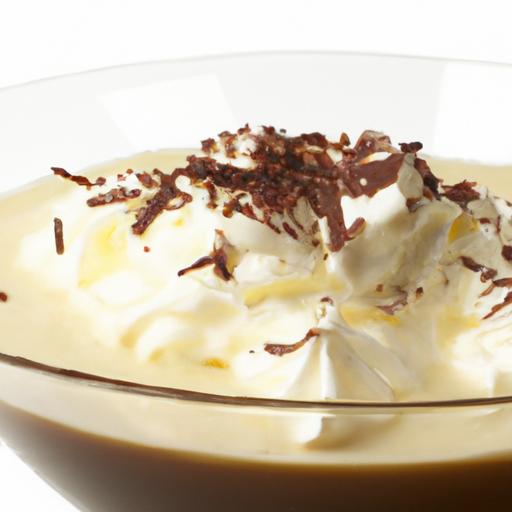
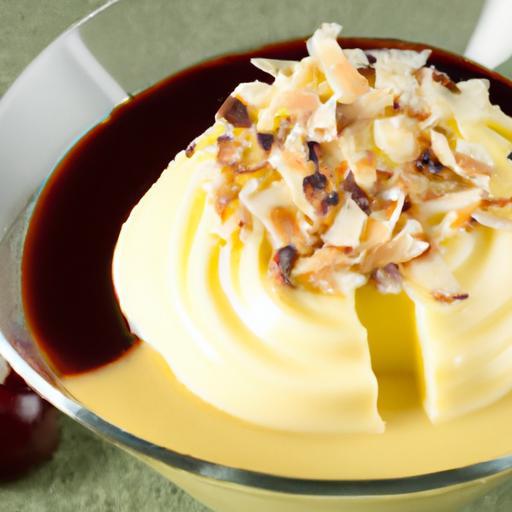
- Serve in elegant wine glasses or small bowls to showcase the zabaglione’s creamy texture and golden hue.
- Garnish with a light dusting of finely grated lemon zest or a sprig of fresh mint to brighten the flavor and add visual elegance.
- Top with freshly whipped cream or a handful of toasted pine nuts for a stunning contrast in texture.
- Pair with crisp almond or hazelnut cookies for dipping to highlight the custard’s silkiness.
| Nutrient | Per Serving |
|---|---|
| Calories | 220 kcal |
| Protein | 5 g |
| Carbohydrates | 28 g |
| Fat | 11 g |

Enhance your Italian dessert repertoire by exploring our recipe for classic Italian Tiramisu, a perfect companion to this luscious custard.
Q&A
Q&A: Best marsala Zabaglione – Italy’s Silky Custard Delight
Q1: What exactly is Zabaglione, and what makes it so special?
A: Zabaglione is a classic Italian dessert custard renowned for its light, airy texture and comforting warmth. Crafted from just egg yolks, sugar, and a splash of Marsala, it’s whipped gently over a bain-marie until it become a glossy, velvety foam. Its simplicity belies the elegance of its silk-like consistency and delicate sweetness, making it a timeless treat enjoyed across generations.
Q2: Why is Marsala used in Zabaglione?
A: Marsala is a fortified grape must that adds a rich, aromatic complexity to Zabaglione without overpowering the delicate custard. It lends subtle notes of dried fruit and honey, seamlessly elevating this humble dessert into a sophisticated indulgence.The spirit’s warmth also helps to gently cook the eggs, perfecting that luscious glide across the palate.
Q3: Can Zabaglione be served both warm and cold?
A: Absolutely! Traditionally, Zabaglione is served warm, straight from the whisking bowl, making it a silky hug on chilly evenings. Though, it can also be chilled and folded into berries or sponge cake for a refreshing variation. Both versions showcase the custard’s versatile creaminess in different moods and seasons.Q4: How arduous is it to prepare Zabaglione at home?
A: while Zabaglione might seem delicate, it’s surprisingly approachable. The key is gentle,patient whisking over simmering water to avoid scrambling the eggs. With a little practice,anyone can achieve that quintessentially airy texture.Plus,the rhythm of stirring is almost meditative-a satisfying culinary dance of patience and reward.
Q5: What are some classic accompaniments to Marsala Zabaglione?
A: Zabaglione shines alongside fresh seasonal fruits like ripe strawberries, raspberries, or figs, which balance its sweetness with natural tartness. It’s also divine drizzled over soft sponge cakes or paired with almond biscotti for a satisfying crunch. These companions accentuate the custard’s creamy smoothness with contrasting textures and flavors.
Q6: Is Zabaglione suitable for special occasions?
A: Without question! Zabaglione’s sophisticated flair and comforting warmth make it a perfect finale for celebrations and intimate dinners alike. Whether as a lavish dessert for a festive feast or a sweet ending to a casual Sunday supper, its timeless charm never fails to impress guests.
Q7: Can Zabaglione be made without alcohol?
A: Yes, you can create an alcohol-free Zabaglione by substituting Marsala with a flavorful alternative like concentrated fruit juice or a splash of natural vanilla extract. While the character may vary slightly, the custard’s signature silkiness and sweetness remain intact, keeping the spirit of the dessert alive without any spirits.
Q8: how does Zabaglione reflect Italian culinary culture?
A: Zabaglione embodies the Italian ethos of elevating simple ingredients through craft and care. Its elegance arises not from complexity but from the harmony of egg, sugar, and Marsala, whisked with love and attention. It’s a culinary poem celebrating seasonality, family tradition, and the joy found in sharing a lovingly prepared sweet bite.
Dive into marsala Zabaglione and let this silky custard transport you to an Italian piazza, were every spoonful whispers tales of warmth, heritage, and timeless delight.
Insights and Conclusions
As the last velvety spoonful of Marsala zabaglione melts on your tongue,you’re reminded that some traditions are more than just recipes-they’re edible stories passed down through generations. This silky custard, kissed by the warmth of Marsala wine, embodies the heart of Italy’s culinary artistry: simple ingredients transformed into an unforgettable experience. Whether enjoyed as a solo indulgence or paired with fresh berries and crisp biscotti, Marsala zabaglione invites you to savor a timeless slice of italian heritage-one luscious, creamy bite at a time.