
There’s a magic in the sizzle of kalbi-Korean marinated short ribs-that transcends the ordinary, inviting you into a world where tradition meets flavor in every tender bite. Rooted deeply in Korean culinary heritage, kalbi is more than just a dish; it is an art form, a celebration of marinade, fire, and patience that transforms humble ribs into a symphony of sweet, savory, and smoky notes.
In this exploration, we’ll uncover the secrets behind the perfect kalbi marinade, the grilling techniques that bring it to life, and the cultural stories that elevate this beloved barbecue staple into a feast for both the palate and the soul.Prepare to savor not just a meal, but a rich tapestry of history and craftsmanship, woven through every succulent rib.
Choosing the Perfect Cut for Authentic Kalbi Experience
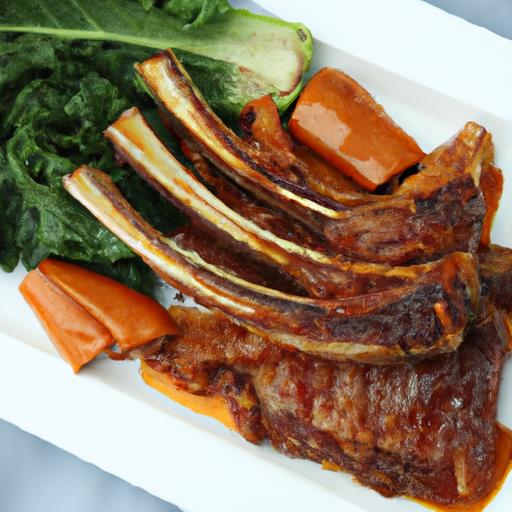
Best Authentic Kalbi: The Art of Korean Marinated Short Ribs begins with selecting the right cut of beef to evoke the true essence of this iconic Korean dish. Traditionally, Kalbi uses flanken-style short ribs, cut across the bone into thin strips about 1/2 inch thick. This cut offers the perfect balance of tender meat and rich marbling, allowing the marinade to deeply penetrate and the grill’s high heat to quickly caramelize the surface.
When you visit your butcher or grocery store, ask specifically for “flanken cut” short ribs or “LA Kalbi cut” to ensure authenticity. Avoid thick bone-in ribs or pre-sliced strips that are too thin; both can alter cooking time and texture. For paler, leaner cuts, incorporating a small amount of brisket or chuck can add juiciness without compromising authenticity.
Mastering the Marinade Balance for Deep Flavor Infusion
The soul of Kalbi lies in its marinade-an exquisite harmony of sweet, savory, and umami notes. Achieving the proper balance is essential to savoring Kalbi at its fullest potential.The cornerstone ingredients include soy sauce for saltiness, brown sugar or honey for caramelized sweetness, garlic and ginger for aromatic depth, and Asian pear or apple for tenderizing enzymes and a touch of fruity brightness.
For a luscious marinade, finely grate the pear for natural sweetness without overpowering the beef, and do not skip the toasted sesame oil-it adds that indispensable nutty aroma which elevates every bite. Allow the ribs to marinate for at least 6 hours, preferably overnight, in a sealed container or zip-top bag so the flavors fully meld and penetrate each rib’s crevices.
Grilling Techniques to Achieve Tender and Juicy Short Ribs
Grilling is the heart of savoring Kalbi. The high direct heat seals in juices, creating a beautiful char while maintaining a tender interior. Preheat your grill to medium-high, about 450°F (230°C), ensuring those signature grill marks and caramelized edges. Oil the grates lightly to prevent sticking, then lay the marinated ribs in a single layer without crowding.
Cook the ribs for 3-4 minutes per side, flipping once to keep the meat succulent and evenly cooked. Watch closely-overcooking will dry them out. A helpful trick is to let the ribs rest off direct heat for a few minutes to redistribute juices before slicing or serving.
Pairing Kalbi with Customary Korean Side Dishes and Drinks
No experience of savoring Kalbi woudl be complete without the vibrant, palate-refreshing array of Korean banchan, or side dishes. Serve your short ribs alongside crisp kimchi, lightly sautéed spinach namul, and sweet marinated lotus root. These provide contrast to the rich meat and add layers of texture and flavor.
For drinks, traditional soju or a chilled Korean rice wine (makgeolli) perfectly complement Kalbi’s smoky-sweet notes. If you prefer non-alcoholic, a cool barley tea or sparkling yuzu lemonade will refresh the palate beautifully between bites.
Prep and Cook Time
- Prep Time: 20 minutes (plus 6-12 hours marinating)
- Cook time: 10 minutes
- Total Time: 6 hours 30 minutes to 12 hours 30 minutes
Yield
Serves 4 hungry guests
Difficulty Level
Medium – requires planning for marinade time and attentive grilling
Ingredients
- 3 lbs flanken-style beef short ribs, about 1/2 inch thick
- 1/2 cup soy sauce (preferably Korean soy sauce for depth)
- 1/3 cup brown sugar or honey
- 1/4 cup Asian pear, finely grated
- 1 small Asian pear or 1/2 apple, finely grated (optional for tenderizing)
- 2 tablespoons toasted sesame oil
- 4 cloves garlic, minced
- 1 tablespoon fresh ginger, grated
- 2 green onions, finely chopped
- 1 teaspoon freshly ground black pepper
- 1 tablespoon rice vinegar
- 1 tablespoon mirin (optional, for subtle sweetness)
Instructions
- prepare the marinade: In a large mixing bowl, combine the soy sauce, brown sugar, grated asian pear, sesame oil, garlic, ginger, green onions, black pepper, rice vinegar, and mirin. Whisk until sugar dissolves and ingredients are well integrated.
- Marinate the ribs: Place the short ribs in a large resealable plastic bag or shallow dish. Pour the marinade over the ribs, massaging the mixture into each piece. Seal and refrigerate for at least 6 hours, ideally overnight, turning occasionally for even flavor infusion.
- Preheat the grill: Heat to medium-high (450°F / 230°C). clean and oil the grates to prevent sticking.
- Grill the ribs: Remove ribs from marinade, letting excess drip off. Place ribs on the grill in a single layer. Cook for 3-4 minutes without moving, until grill marks form and edges caramelize.
- Flip carefully: Turn ribs over using tongs and grill for another 3-4 minutes. Monitor closely to avoid drying out. The meat should be tender with a slight char.
- Rest the ribs: Transfer ribs to a plate and cover loosely with foil. Let rest for 5 minutes to redistribute juices.
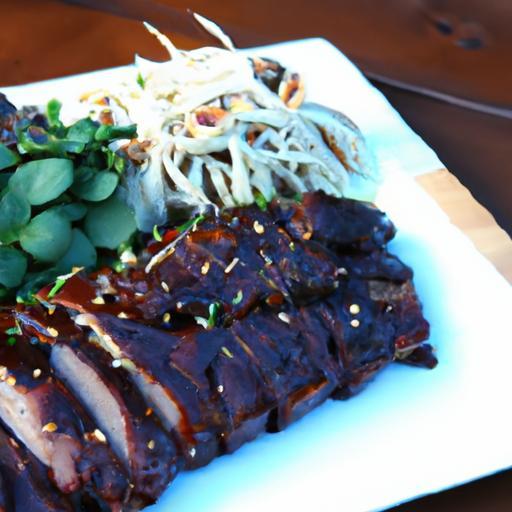
- Serve: Slice between the bones and arrange on a platter with fresh sesame seeds and sliced green onions for garnish.
Tips for Success
- Use Asian pear or apple in the marinade to naturally tenderize without overpowering sweetness.
- If access to fresh pears is limited, a tablespoon of Asian pear juice concentrate can work as a substitute.
- do not over-marinate beyond 12 hours, as excessive acidity can break down the meat texture too much.
- For indoor cooking, use a cast iron grill pan preheated until smoking hot for an authentic sear.
- To deepen flavor, reserve 1/4 cup of marinade to baste ribs halfway through grilling-make sure to boil this reserved marinade first!
- If short on time, increase the marinade duration to at least 3 hours; however, slower marinating yields richer flavor.
Serving Suggestions
Present your Kalbi on a rustic wooden board or beautiful Korean ceramics lined with fresh lettuce leaves. Offer ssamjang (spicy fermented soybean paste) and ssam condiments, encouraging diners to make wraps combining meat, rice, and crunchy vegetables. Garnish with toasted sesame seeds and scallion slivers for a vibrant finish.
Complete the meal with sides such as:
- Kimchi: Fermented spicy napa cabbage for tangy freshness
- Japchae: Glass noodles sautéed with colorful vegetables
- Steamed white rice to balance bold flavors
Refreshing drinks like Korean soju or crisp, sparkling barley tea create a perfectly harmonious dining experience to truly savor the complexity and joy of Kalbi.
| Nutrient | Per Serving |
|---|---|
| Calories | 420 |
| Protein | 35g |
| Carbohydrates | 12g |
| fat | 28g |

For more Korean BBQ inspiration, check out our classic bulgogi recipe, an equally delightful dish to complement your Kalbi feasts.
Q&A
Q&A: Best Authentic Kalbi – The Art of Korean Marinated Short Ribs
Q1: What is Kalbi, and why is it so celebrated in Korean cuisine?
A1: Kalbi, also known as galbi, refers to Korean-style marinated beef short ribs. These ribs are prized for their rich, savory-sweet flavor, tender texture, and the intoxicating aroma that comes from a carefully balanced marinade. Celebrated across korea and beyond, Kalbi encapsulates the heart of Korean barbecue culture, blending tradition with communal dining joy.
Q2: What cuts of beef are traditionally used for Kalbi?
A2: Kalbi is traditionally made using the beef short ribs, cut across the bone in thin slices. This cross-cutting method exposes the bone, allowing flavors to penetrate deeply, while the alternating layers of meat and fat ensure a juicy, flavorful bite after grilling.
Q3: What ingredients form the backbone of a classic Kalbi marinade?
A3: The essence of a traditional Kalbi marinade lies in the harmony of savory, sweet, and umami elements. common ingredients include soy sauce, brown sugar or honey, garlic, ginger, sesame oil, and grated Asian pear or apple for natural sweetness and tenderizing properties. Scallions and black pepper add subtle layers of flavor, resulting in a marinade that is rich, fragrant, and perfectly balanced.
Q4: How does the marinade affect the texture of the short ribs?
A4: The marinade’s combination of acidity and enzymes-notably from Asian pear or apple-naturally tenderizes the meat. This enzymatic action breaks down muscle fibers, softening the beef so that after grilling, Kalbi is juicy and tender rather than tough.The sugars in the marinade also caramelize during cooking, creating a beautiful, flavorful crust.
Q5: What is the ideal way to grill Kalbi for the best flavor?
A5: Kalbi shines when grilled over hot, direct heat-traditionally charcoal-to achieve that classic smoky char. Grilling each side quickly allows the marinade to caramelize without drying out the meat. The goal is a slightly crisp exterior with a juicy, flavorful interior. Turning the ribs frequently helps prevent burning and ensures even cooking.
Q6: Can Kalbi be enjoyed outside of a Korean barbecue setting?
A6: Absolutely! While Kalbi is famously enjoyed in a communal barbecue setting, it can also be prepared at home on a grill pan, broiled in the oven, or even cooked on a stovetop grill. Served over steamed rice with a side of kimchi, wrapped in lettuce leaves with ssamjang (a spicy-salty dipping sauce), or nestled into a bibimbap bowl, Kalbi offers versatility and irresistible flavor in many forms.
Q7: Are there any regional variations of Kalbi within Korea?
A7: Yes, regional nuances thrive in Korean cooking. In some areas,the marinade might lean sweeter with the addition of honey,while others emphasize a more savory profile with extra soy sauce or garlic. Additionally, some variations use thicker cuts or bone-in ribs, adjusting grill times and marinade concentration to complement local tastes.
Q8: What makes Kalbi an art rather than just a recipe?
A8: The artistry of Kalbi lies in the delicate balance of its marinade, the precision of slicing the ribs, and the intuition during grilling-each step enhances texture, flavor, and presentation. The experience of sharing Kalbi around a sizzling grill, layering flavors with banchan (side dishes), and pairing with fresh herbs elevates a simple dish to an immersive cultural ritual.
Q9: How can someone new to Kalbi replicate an authentic flavor at home?
A9: Start with quality beef short ribs and give the marinade at least 4 to 6 hours-or ideally overnight-to deeply infuse flavor. Use fresh garlic, ginger, and grated Asian pear for natural tenderizing and sweetness. Grill or broil the ribs over high heat, keeping an eye on them to achieve that perfect caramelized surface. Serve with traditional Korean accompaniments like kimchi, steamed rice, and fresh lettuce leaves to bring the full experience to your table.
Q10: Beyond its tasty taste, what cultural meaning does Kalbi hold?
A10: Kalbi symbolizes hospitality, celebration, and community in korean culture. It’s often enjoyed during gatherings and special occasions,where grilling and sharing food fosters connection. Each bite offers a taste of heritage and tradition, making Kalbi more than just a meal-it’s a story of Korean craftsmanship, family, and togetherness.
Final Thoughts
As the smoky aroma of grilled kalbi wafts through the air, it’s clear that this beloved Korean dish is much more than just marinated short ribs-it’s a celebration of tradition, technique, and time-honored flavors. From the careful balance of soy,garlic,and sugar in the marinade to the perfect char achieved over open flames,savoring kalbi invites us to slow down and appreciate the artistry behind every bite.
Whether shared around a bustling table with friends or enjoyed in solitary reflection, kalbi serves as a delicious reminder that food is a bridge connecting past and present, culture and community. So next time you grill those tender ribs, remember: you’re not just cooking, you’re partaking in a flavorful ritual that has delighted generations.