
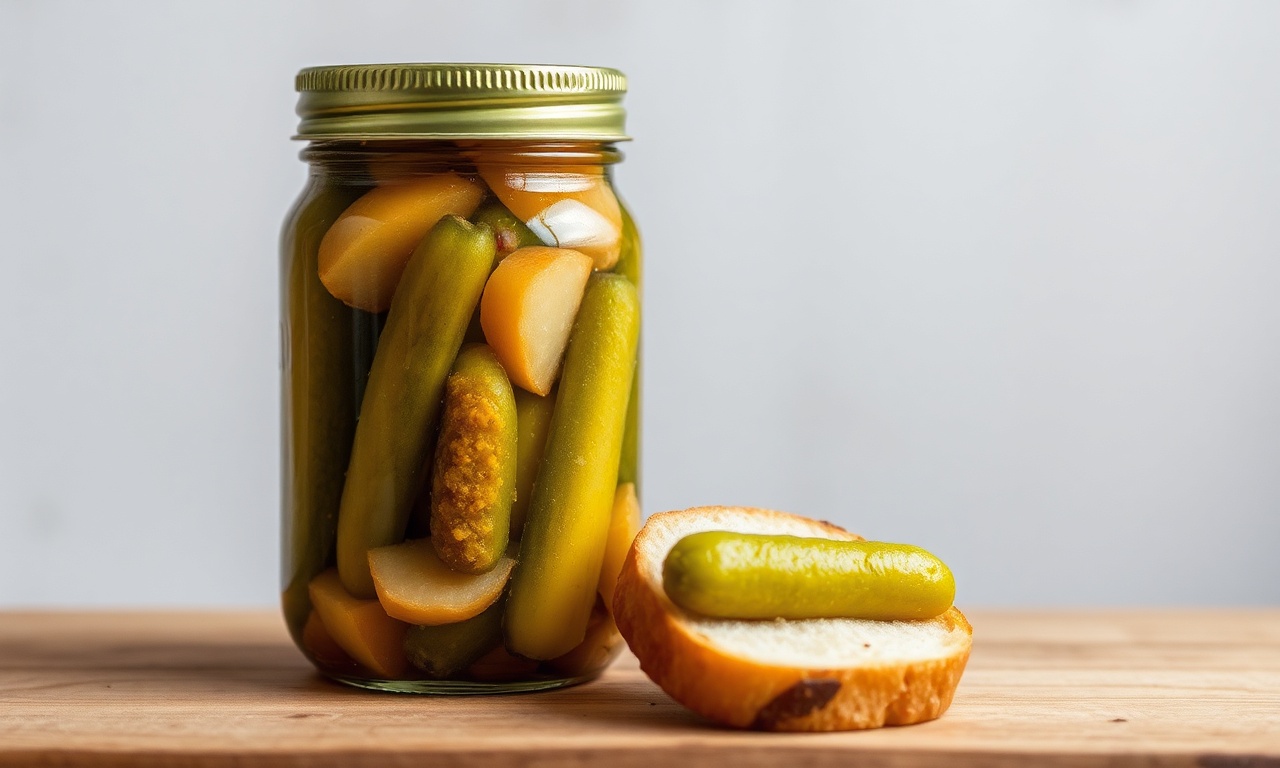
When it comes to the Story Behind culinary creations, there’s something undeniably charming about the crisp snap of a bread and butter pickle—a perfect harmony of sweet, tangy, and crunchy that has delighted taste buds for generations. But behind this humble jar lies an interesting story that blends history, culture, and culinary ingenuity. From Southern kitchens to supermarket shelves, the bread and butter pickle has carved out a unique niche, transforming simple cucumbers into a crunchy delight with a rich heritage. Join us as we unravel the origins, evolution, and secret recipes that have made bread and butter pickles a beloved staple in pantries across the world.
- The Story Behind Bread and Butter Pickles: Preparation and Cooking
- Yield
- Difficulty Level
- Ingredients
- Instructions
- Story Behind: Tips for Achieving the Perfect Crunch
- Why the Story Behind Matters: Flavor Balancing Acts: The Sweet and Savory Harmony Explained
- Serving Suggestions to Elevate Your Dishes with Bread and Butter Pickles
- Nutritional Data per 1/4 cup serving
- Q&A
- Key Takeaways
The story behind bread and butter pickles, a tangy tradition that has captivated taste buds for generations. Originating in the American South during the Great Depression, these vibrant pickles were a clever solution for making cucumbers last longer while adding a burst of sweet and savory flavor to everyday meals. Their playful name reportedly stems from a radio broadcast mishearing “bread and butter” as the bread and butter—a phrase symbolizing a staple and comfort food. Today, their crisp texture and balanced tanginess continue to inspire home cooks and chefs alike, elevating simple sandwiches and platters into exceptional experiences.
The Story Behind Bread and Butter Pickles: Preparation and Cooking
- Readiness: 20 minutes
- Marinating: 12 hours (minimum)
- Total Time: Approximately 12 hours 20 minutes
Yield
Approximately 4 cups of pickles
Difficulty Level
In the context of the Story Behind these pickles, the difficulty level is Easy—perfect for beginner and experienced cooks wanting a quick transformative project.
Ingredients
- 4 cups thinly sliced cukes (about 4 medium cucumbers), unpeeled
- 1 cup thinly sliced yellow onions
- 1 ½ cups granulated sugar
- 1 cup distilled white vinegar (5% acidity)
- ½ cup water
- 1 tbsp kosher salt
- 1 tsp ground turmeric
- ½ tsp celery seeds
- ½ tsp mustard seeds
- ¼ tsp crushed red pepper flakes (optional, for subtle heat)
Instructions
- Prepare the Vegetables: Rinse the cucumbers and slice them thinly, about 1/8 inch thick, aiming for uniformity to ensure even pickling. Slice the onions similarly thin to mingle perfectly with the cukes.
- Salt the Cucumbers: In a large mixing bowl, combine the sliced cucumbers and onions with kosher salt. Toss well and let sit for 1 hour. This step draws out excess moisture, crucial for maintaining a crisp texture.
- Make the Brine: In a medium saucepan, whisk together sugar, distilled white vinegar, water, turmeric, celery seeds, mustard seeds, and red pepper flakes. Bring to a gentle boil while stirring until the sugar dissolves completely.
- Drain and Rinse: After an hour, drain the cucumber and onion mixture and rinse under cold water to remove excess salt. Pat dry thoroughly with paper towels or a clean kitchen towel.
- Combine and Marinate: Place cucumbers and onions into sterile glass jars or a non-reactive container. Pour the hot brine over them, pressing down gently to submerge fully.
- Cool and Refrigerate: Allow pickles to cool to room temperature (about 30 minutes), then cover and refrigerate. For the ultimate crunchy delight, let them marinate for at least 12 hours—24 hours is ideal.
- Enjoy: Serve chilled. These bread and butter pickles maintain peak crispness and flavor for up to 3 weeks refrigerated.
Story Behind: Tips for Achieving the Perfect Crunch
- Slice Evenly: Uniform slices absorb brine consistently and snap delightfully on the bite.
- Use Kosher Salt: Its coarse crystals draw moisture effectively without overpowering saltiness.
- Do Not Skip Rinsing: Removes excess salt to keep pickles shining, not briny.
- Sterilize Containers: Ensures pickles remain fresh and safe for the duration of storage.
- Quick Refrigeration: Chilling soon after pouring brine locks in crispness and flavor.
- Optional Crispness Hack: Add a few grape leaves or a slice of raw horseradish root to your jar. These contain tannins that help maintain crunch.
Why the Story Behind Matters: Flavor Balancing Acts: The Sweet and Savory Harmony Explained
Around the Story Behind these pickles, the magic of bread and butter pickles lies in their extraordinary balance between sweet and savory notes. Sugar tempers the vinegar’s sharp tang, while spices like turmeric and mustard seeds infuse warm, earthy undertones. Celery seeds contribute a subtle herbal brightness that merges seamlessly with the cucumbers’ fresh flavor. This interplay creates a dynamic taste that enchants the palate and pairs exceptionally well with a variety of dishes.
Serving Suggestions to Elevate Your Dishes with Bread and Butter Pickles
Regarding the Story Behind these pickles, these crunchy delights effortlessly elevate meals—think crunchy sandwiches layered with smoked turkey and creamy cheese or crispy breaded chicken topped with a few golden pickle slices for a bright contrast. They’re also phenomenal garnishes for burger plates, giving a colorful, tangy punch that awakens every bite.
- Charcuterie Boards: Add a jar of bread and butter pickles beside assorted cheeses, nuts, and dried fruits.
- Salads: Chop pickles finely for a lively inclusion in potato or egg salads.
- Tacos and Wraps: Layer pickles for a surprising texture and flavor burst.
- Snack Time: Enjoy straight from the jar with a sprinkle of fresh dill or cracked black pepper.
When it comes to the Story Behind their appeal, a pro tip: Try pairing with mild, creamy cheeses like Havarti or Monterey Jack, which complement the delicate tang without overpowering it.
Nutritional Data per 1/4 cup serving
| calories | Protein | Carbohydrates | Fat |
|---|---|---|---|
| 45 kcal | 0.3 g | 11 g | 0 g |
In the context of the Story Behind their popularity, explore more savory pickle recipes to expand your crunchy delight collection on our Homemade Pickle Recipes page. For a deeper dive into the chemistry of pickling and preserving crunch, visit the Wikipedia page on pickling.
Q&A
Q&A: Crunchy Delight – The Story Behind Bread and Butter Pickles
Around the Story Behind these pickles, Q1: What exactly are bread and butter pickles?
A1: Bread and butter pickles are a classic variety of sweet and tangy cucumber pickles, known for their vibrant flavor and satisfying crunch. Thinly sliced cucumbers are soaked in a vinegar-based brine along with sugar, onions, and an aromatic blend of spices like mustard seeds, celery seeds, and turmeric. The result is a pickle that’s both sweet and slightly tangy—a perfect balance that’s more approachable than traditional sour pickles.
Q2: How did bread and butter pickles get their name?
A2: The story behind the name is as charming as the pickles themselves. During the Great Depression, a Mrs. C. C. Rea from St. Charles, Missouri, created this recipe, naming the pickles for the simple staples “bread and butter.” The name implied that these pickles were a regular, comforting part of everyday meals—essentially as basic and beloved as bread and butter on a plate.
Regarding the Story Behind their unique flavor, Q3: What makes bread and butter pickles different from other pickles?
A3: Unlike dill pickles, which are savory and often sour, bread and butter pickles hit the palate with a unique sweet-and-sour profile. Their thin slicing and the inclusion of sugar in the brine create a delicate texture and complex flavor that’s concurrently crunchy, tangy, and sweet. Spices like turmeric also add a warm golden hue and subtle earthiness, setting them apart visually and flavor-wise.
When it comes to the Story Behind their taste, Q4: What are some traditional spices used in bread and butter pickles, and how do they influence flavor?
A4: Mustard seeds bring a mild pungency and popping texture, celery seeds add an earthy bitterness, and cloves offer a hint of warm spice. Turmeric lends a subtle bitterness and vibrant color, while sliced onions contribute sweetness and a touch of sharpness. Together, these spices create a harmonious flavor orchestra that dances between sweet, sour, and earthy notes.
In the context of the Story Behind their enduring appeal, Q5: Why are bread and butter pickles considered an iconic American condiment?
A5: Their history, flavor, and versatility have cemented bread and butter pickles as a beloved staple in American households. They complement everything from sandwiches and burgers to salads and cheese platters. Simple to make and universally flavorful, they reflect a spirit of home cooking and comfort food that resonates widely across the country.
Around the Story Behind making them, Q6: Can you share any tips for making the perfect bread and butter pickles at home?
A6: Absolutely! Use fresh, firm cucumbers—preferably Kirby or pickling cucumbers—for the best crunch. Slice them thinly and salt them first to draw out excess water; this step keeps your pickles crisp. Create your brine with a balance of vinegar and sugar, and don’t skimp on the spices—they’re the secret to that signature flavor. Let the pickles marinate for at least 24 hours in the refrigerator to soak up all that delicious brine.
Q7: What are some creative ways to enjoy bread and butter pickles beyond traditional use?
A7: Beyond the classic sandwich topping, try chopping bread and butter pickles into tuna or chickpea salads for a sweet tang boost. They can brighten up a creamy potato salad or add crunch and personality to a grilled vegetable platter. Even as a pizza garnish or stirred into coleslaw, their unique flavor adds unexpected delight to many dishes.
Q8: How has the popularity of bread and butter pickles evolved over time?
A8: While these pickles originated during hard economic times, their popularity soared post-World War II when home canning and preserving were widespread. Today, artisanal producers and home cooks alike treasure bread and butter pickles for their nostalgic flavor and easy appeal. Their blend of sweet and sour perfectly suits modern palates looking for balance and crunch.
From humble beginnings to a bright staple on tables nationwide, bread and butter pickles continue to charm with their crunchy texture and sweet-tangy zing—a true crunchy delight that’s stood the test of time.
Key Takeaways
As the tangy crunch of a bread and butter pickle lingers on the tongue, it carries with it a rich history of tradition, innovation, and simple pleasures. From humble kitchen experiments to beloved pantry staples, these sweet and savory gems have secured their place in culinary hearts around the world. So next time you reach for that jar, remember: you’re not just savoring a pickle—you’re biting into a story of flavor, culture, and the timeless joy of crunchy delight.
See also: Story Behind