
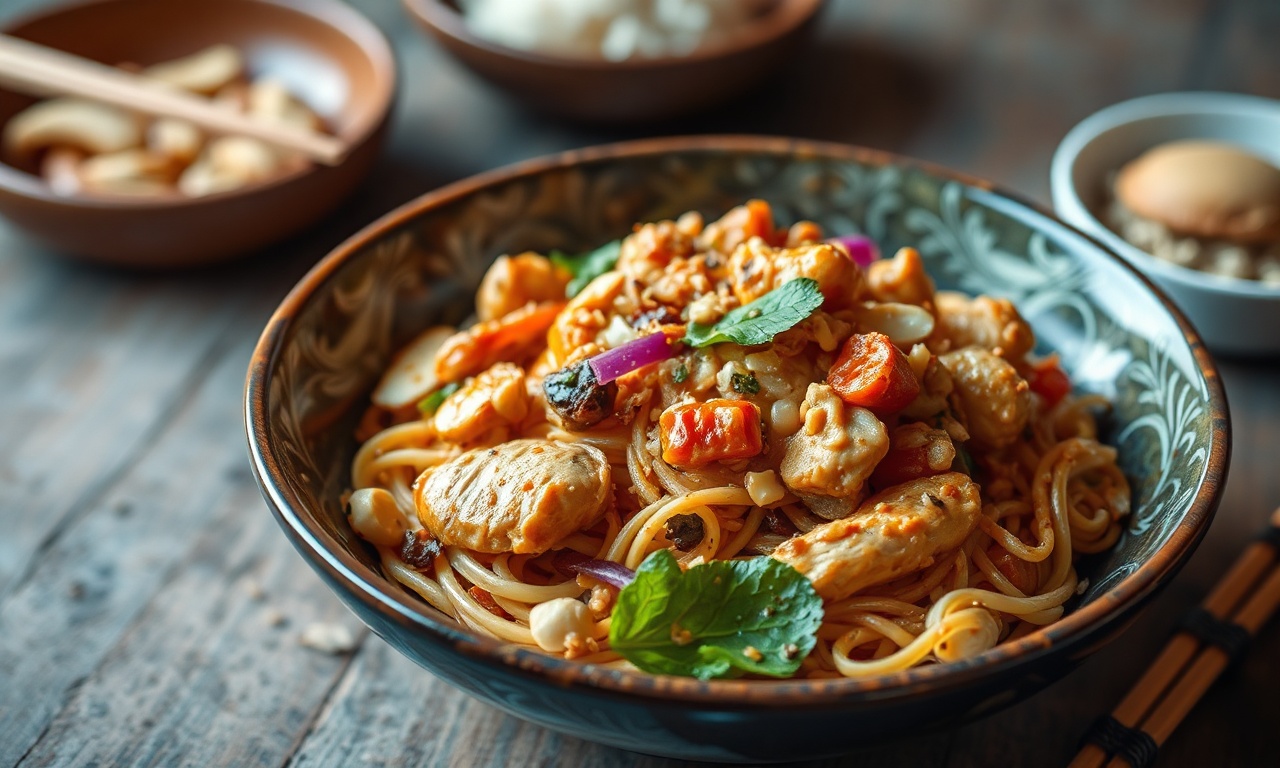
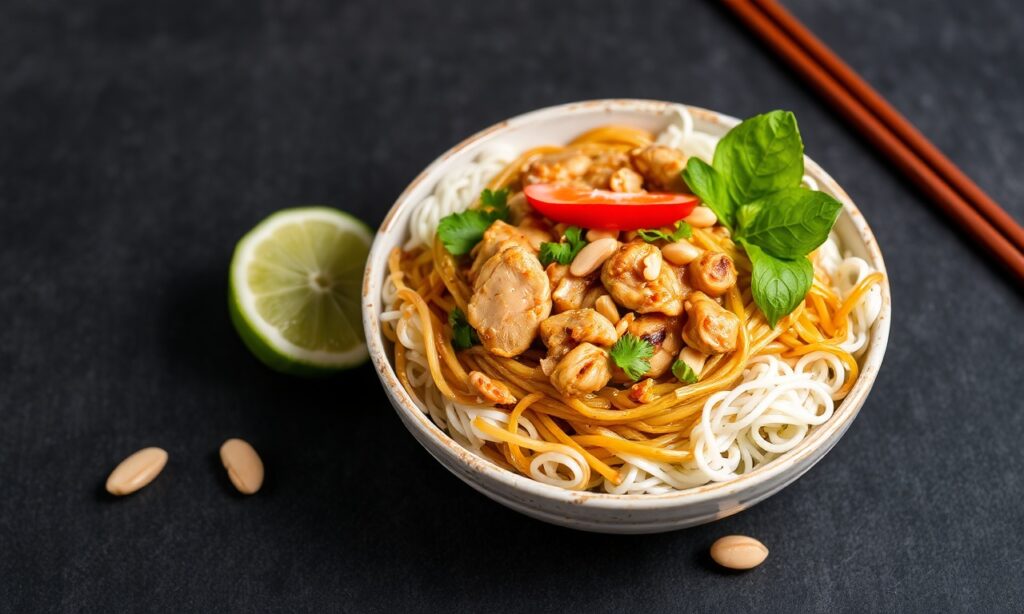
In the vibrant tapestry of Thai cuisine, few dishes capture the imagination-and the palate-quite like the timeless Classic Chicken Pad Thai with Peanuts. This beloved street food favorite is more than just a meal; it’s a flavorful journey that weaves together a delicate balance of sweet, tangy, savory, and nutty notes. From the satisfying crunch of roasted peanuts to the tender stir-fried chicken and the radiant burst of lime, every bite tells a story of tradition and culinary artistry. Join us as we unravel the origins, ingredients, and cooking secrets behind this iconic dish, bringing the heart of Thailand’s bustling markets right to your kitchen.
When it comes to authentic Pad Thai, Classic Chicken Pad Thai with Peanuts is an unforgettable culinary experience that transports you straight to the bustling street markets of Thailand. This beloved dish expertly marries the vibrant notes of sweet tamarind, zesty lime, mellow fish sauce, and a subtle hint of chili to deliver a harmonious balance that excites your palate with every bite. As a seasoned culinary content creator and food stylist, I find that mastering the sauce is pivotal to unlocking the authentic flavors that define this iconic recipe.
Classic Chicken Pad Thai: Prep and Cook Time
- Readiness: 20 minutes
- cooking: 15 minutes
- Total Time: 35 minutes
Yield
Serves 4 generously,perfect for a family dinner or casual entertaining.
Difficulty Level
When it comes to Classic Chicken, In the context of preparing this dish, it’s Medium - approachable for home cooks ready to explore Thai flavor profiles with confidence.
Ingredients
- 8 oz dried rice noodles (medium thickness)
- 2 tbsp vegetable oil
- 1 lb boneless, skinless chicken breast, thinly sliced
- 3 garlic cloves, finely minced
- 2 large eggs, lightly beaten
- 1 cup bean sprouts, rinsed and drained
- 4 green onions, sliced on a diagonal
- 1/4 cup roasted peanuts, toasted and roughly chopped
- 1 lime, cut into wedges
- Fresh cilantro leaves for garnish
- for the Pad Thai sauce:
- 3 tbsp tamarind paste
- 3 tbsp fish sauce (use gluten-free if preferred)
- 2 tbsp palm sugar or light brown sugar
- 1 tbsp soy sauce (or tamari for gluten-free)
- 1 tsp chili powder (adjust to taste)
- 2 tbsp water
Instructions
- Soak the rice noodles: Place rice noodles in warm water for 30 minutes or until pliable but still firm to the bite. Drain and set aside.
- Prepare the Pad Thai sauce: In a small bowl, whisk together tamarind paste, fish sauce, palm sugar, soy sauce, chili powder, and water until the sugar dissolves.Set aside to marry flavors.
- Toast the peanuts: In a dry skillet over medium heat, toast peanuts for 3-5 minutes, shaking the pan occasionally to ensure even browning and prevent burning. Remove and chop coarsely to add that coveted crunch and pure authenticity.
- Sauté chicken: Heat vegetable oil in a large wok or skillet over medium-high heat. Add chicken slices and cook until just browned and cooked through, about 5-6 minutes. Remove chicken and set aside.
- Sauté aromatics and eggs: in the same pan, add a touch more oil if necessary and toss in minced garlic. Sauté for 30 seconds until fragrant. Pour in the beaten eggs and stir gently to scramble until softly set but still moist.
- add noodles and sauce: Add the drained rice noodles to the wok. Pour the prepared Pad Thai sauce over the noodles and gently toss to coat, letting the noodles absorb the vibrant flavors for 2-3 minutes.
- Return chicken and add vegetables: Return cooked chicken to the pan.Toss in bean sprouts and green onions, stirring quickly to combine while maintaining some crispness in the veggies.
- Plate and garnish: Divide the Pad Thai among plates. Sprinkle generously with toasted peanuts, fresh cilantro, and serve with lime wedges on the side for a fresh citrus burst.
- Enjoy promptly for the perfect harmony of textures and flavors.
Why Classic Chicken Pad Thai Matters: Tips for Success
- Balance the sauce carefully: Adjust the tamarind and sugar quantities to fine-tune the sweet-sour balance according to your taste buds.A little freshness can be added with extra lime juice right before serving.
- Choose fresh, quality ingredients: Opt for fresh bean sprouts, crisp green onions, and bright cilantro to elevate your dish’s vibrancy.
- Control noodle texture: Over-soaking will lead to mushy Pad Thai; noodles should be flexible but still firm-al dente-when added to the wok.
- Peanut tips: Toast peanuts just until golden-over-toasting results in bitterness and masks their nutty richness.
- make-ahead sauce: The Pad Thai sauce can be mixed and stored covered in the fridge for up to 5 days, deepening in flavor.
Serving Suggestions
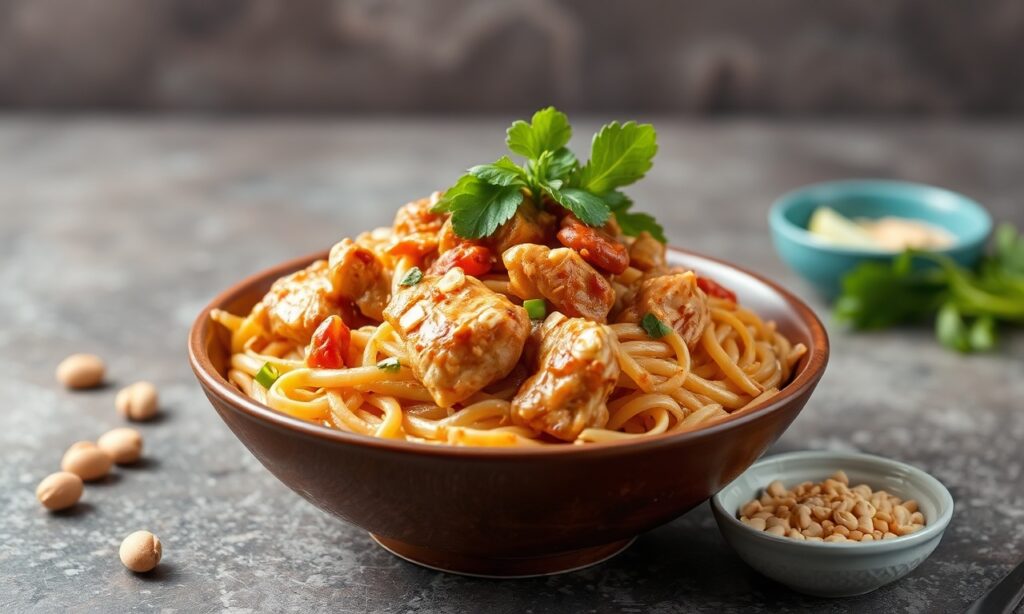
Serve your Classic Chicken Pad thai with Peanuts alongside a crisp Asian cucumber salad or a light mango salad to complement the dish’s bold flavors. A cold Thai iced tea or refreshing iced jasmine green tea can be the perfect drink companions. Garnish generously with fresh cilantro sprigs, lime wedges, and a scatter of extra peanuts to add stunning texture and color contrast on the plate.
Nutritional Information
| Nutrient | Per Serving |
|---|---|
| Calories | 450 kcal |
| Protein | 38 g |
| Carbohydrates | 45 g |
| Fat | 14 g |
In the context of Classic Chicken, For those interested in diving deeper into traditional Thai cooking techniques, the Serious Eats Thai Pad Thai Guide offers excellent insights and culinary science behind the beloved dish.
Around Classic Chicken, Explore more dishes featuring authentic Asian flavors in our Asian Cookbook Explored section to continue your flavorful journey.
Q&A
Q&A: Classic Chicken Pad Thai with Peanuts – A Flavorful Journey
Q1: What makes Classic Chicken Pad Thai such a beloved dish worldwide?
A1: Classic Chicken Pad Thai captivates taste buds by harmonizing salty, sweet, tangy, and nutty flavors in one dish. The vibrant combination of sautéed rice noodles, tender chicken, crunchy peanuts, fresh herbs, and a zesty tamarind-based sauce creates a sensory adventure that feels both comforting and exotic. Its balance of textures and flavors draws food lovers across cultures into its flavorful embrace.
Regarding Classic Chicken, Q2: Why is tamarind paste essential in authentic Pad Thai recipes?
A2: Tamarind paste provides pad Thai’s signature tangy depth, delivering a subtle sourness that brightens the dish and balances the sweetness of palm sugar and the saltiness of fish sauce. This unique flavor element makes Pad Thai instantly recognizable and adds complexity that turns simple ingredients into an unforgettable meal.
Q3: Can I substitute chicken with other proteins if desired?
A3: Absolutely! While chicken offers a tender, mildly flavored canvas that soaks up the Pad Thai sauce beautifully, you can also use shrimp, tofu, or firm white fish to tailor the dish to your preferences. Each brings its own texture and taste, allowing the essence of Pad Thai to shine through in different ways.
Q4: How do peanuts contribute to the overall experience of Pad Thai?
A4: Peanuts introduce a delightful crunch and rich nuttiness that contrasts perfectly with the soft noodles and succulent chicken. They also add a creamy dimension when crushed slightly, enhancing the dish’s texture and providing a savory counterpoint to the sweeter and tangier elements of the sauce.
Q5: What tips can help home cooks achieve restaurant-quality Pad Thai?
A5: The secret lies in preparation and timing. soak the rice noodles until just tender but not mushy, prepare all ingredients in advance (mise en place!), and cook quickly over high heat to preserve the dish’s brightness and texture. Stir-frying in a hot wok also helps to develop a slight smoky aroma, elevating the flavors to authentic heights.
Q6: How crucial are fresh herbs like cilantro and green onions in Pad Thai?
A6: Fresh herbs are crucial for adding a burst of herbal freshness that lightens the rich flavors of the dish. Cilantro and green onions provide aromatic brightness and a hint of sharpness, balancing the complex sauce and adding layers of flavor with each bite.
Q7: Is it possible to make pad Thai gluten-free?
A7: Yes! To keep Pad Thai gluten-free, choose tamari or coconut aminos instead of soy sauce, and ensure your rice noodles are made purely from rice flour without additives. Many authentic recipes naturally avoid gluten-containing ingredients, making it easier than you might think to enjoy this classic dish.
Q8: What’s the story behind Pad Thai’s origin and its cultural meaning?
A8: Pad Thai emerged in Thailand during the 1930s as a government-promoted dish to foster national identity and reduce rice consumption by encouraging noodles instead. Over time,it became a street food icon cherished for its speedy,affordable,and flavorful qualities. Today, it represents Thai culinary ingenuity and the vibrant fusion of sweet, sour, salty, and savory flavors that define the cuisine.
Q9: How can I customize the spice level in my Classic Chicken Pad Thai?
A9: Adjusting spice is simple-add fresh chili slices, crushed red pepper flakes, or chili powder to taste.if you prefer a milder dish,omit or reduce the chili and balance with a touch more lime juice or sugar to maintain flavor harmony. serving with chili flakes on the side also lets everyone personalize their heat level.
Q10: What side dishes or accompaniments pair well with Classic Chicken Pad Thai?
A10: Light, refreshing sides complement Pad Thai beautifully. Try a crisp green papaya salad, steamed or stir-fried vegetables, or a simple cucumber salad with lime and chili. These fresh accompaniments provide contrast and enhance the overall meal experience without overpowering the main attraction.
embark on your flavorful journey with this Classic Chicken pad Thai, savoring every nutty crunch and tangy bite!
Concluding Remarks
As we wrap up this flavorful journey through the vibrant world of Classic Chicken Pad Thai with Peanuts, it’s clear that this beloved dish is much more than a simple meal-it’s a harmonious blend of textures, tastes, and traditions. From the tender chicken and chewy noodles to the crunch of roasted peanuts and the subtle zing of lime, each bite tells a story steeped in thai culinary heritage.
Whether you’re a seasoned cook or a curious foodie, recreating this iconic dish at home offers not only a delicious payoff but also a deeper thankfulness for the art of balancing flavors. So next time you crave something both comforting and exotic, let Classic Chicken Pad Thai be your passport to a timeless, taste-packed adventure.
See also: Classic Chicken