
Nestled within the diverse mix of Central European culinary heritage lies a beloved pastry that tantalizes both the senses and the soul: Just Like Grandma’s Authentic Polish Poppy Seed Roll, known as makowiec. More than just a dessert, makowiec is a fragrant journey through history, tradition, and celebration.
- Like Grandma: The Rich History and Cultural Significance of Makowiec
- Like Grandma: Crafting the Grandma’s Authentic Polish Poppy Seed Roll
- Why Like Grandma Matters: Step-by-Step Guide to Preparing and Rolling the Poppy Seed Filling
- Expert Tips for Baking and Preserving the Makowiec’s Freshness
- Prep and Cook Time
- Yield
- Difficulty Level
- Ingredients
- Instructions
- Tips for Success
- Serving Suggestions
- Q&A
- Closing Remarks
When it comes to Like Grandma, When it comes to the comforting embrace of flavors reminiscent of baking at home, its swirls of delicate dough embrace a lush filling of ground poppy seeds, infused with warm spices and subtle hints of citrus, creating a harmonious symphony of flavors that has delighted generations. This article explores the makowiec tradition, unraveling its origins, cultural importance, and the timeless magic behind this iconic spiced poppy seed roll that continues to grace holiday tables and family gatherings across the world.
Like Grandma: The Rich History and Cultural Significance of Makowiec
Just Like Grandma’s Authentic Polish Poppy Seed Roll stands as a cherished emblem of Eastern European heritage, weaving centuries of tradition, celebration, and artistry into each delicate bite. Originating from Poland, the makowiec is far more than a dessert; it is a symbol of hope, prosperity, and family unity, often appearing on festive tables during Christmas and Easter. The dense, buttery yeast dough enfolding a luxuriously rich poppy seed filling signifies abundance and fertility, qualities celebrated with reverence through generations. My own first encounter with makowiec was during a winter holiday gathering, where the warmly spiced aroma instantly beckoned everyone to the kitchen, sparking stories of heritage shared through the universal language of food.
Like Grandma: Crafting the Grandma’s Authentic Polish Poppy Seed Roll
In the context of Like Grandma, To capture the true soul of the Grandma’s Authentic Polish Poppy Seed Roll, the right spice blend is paramount. A harmonious balance of fragrant notes—shining citrus zest, earthy cardamom, deep cinnamon, and just a pinch of nutmeg—brings the filling alive. For an authentic touch, freshly ground spices coupled with a hint of natural honey and orange blossom water perfectly elevate the poppy’s natural earthiness without overpowering. A few drops of vanilla extract or almond essence can also intensify aroma, reminiscent of old family recipes passed down across borders. This blend is key to imbuing the makowiec with its signature, warm complexity.
Why Like Grandma Matters: Step-by-Step Guide to Preparing and Rolling the Poppy Seed Filling
- Preparing the Poppy Seeds: Thoroughly rinse 1 cup of poppy seeds under cold water. Drain well, then grind finely using a spice grinder or mortar and pestle. Avoid over-grinding to keep texture.
- Cooking the Filling: In a saucepan, combine the ground poppy seeds with 1 cup whole milk and ½ cup granulated sugar. Stir over medium heat until mixture thickens, about 8 minutes.
- Adding Spice Blend: Remove from heat and stir in the prepared spice blend—1 tsp ground cinnamon, ½ tsp ground cardamom, zest of 1 lemon, and 1 tsp honey. Mix in ¼ cup chopped toasted walnuts for crunch.
- Cooling the Filling: Set aside to cool completely. This step ensures the filling spreads smoothly without tearing the dough.
- Rolling: On a lightly floured surface, roll the yeast dough into a 14×10 inch rectangle. Evenly spread the cooled poppy seed filling, leaving a 1-inch border.
- Sealing & Shaping: Gently roll up the dough tightly from the longer edge, sealing the seam with a little water. Pinch ends to prevent filling leakage.
Expert Tips for Baking and Preserving the Makowiec’s Freshness
Around Like Grandma, Baking the aromatic spiced poppy seed roll requires precision: preheat your oven to 350°F (175°C) and bake for 35-40 minutes until the crust is golden brown and aromatic. To ensure even browning and a glossy finish, brush the surface lightly with egg wash before baking. Avoid opening the oven door frequently, as this can cause the roll to collapse.
Regarding Like Grandma, Once baked, cooling completely on a wire rack prevents moisture build-up beneath the roll, preserving the crust’s delicate crispness. Wrap tightly in plastic wrap or place in an airtight container when cooled to keep freshness for up to 5 days. For longer storage, freezing sliced portions individually wrapped in parchment paper works wonderfully and preserves flavor.
Prep and Cook Time
- Readiness: 40 minutes (including spice blend and dough rolling)
- Cooking: 35-40 minutes
- Total Time: Approximately 1 hour 20 minutes
Yield
Makes one 14-inch roll, serving 8-10 portions.
Difficulty Level
Medium – Requires basic yeast dough skills and careful filling preparation.
Ingredients
- for the Dough:
- 3 cups all-purpose flour, sifted
- ¼ cup granulated sugar
- 1 packet (2 ¼ tsp) active dry yeast
- 1 cup warm whole milk (about 110°F/43°C)
- ⅓ cup unsalted butter, melted
- 2 large eggs, room temperature
- 1 tsp vanilla extract
- ½ tsp salt
- For the Filling:
- 1 cup poppy seeds, rinsed and ground
- 1 cup whole milk
- ½ cup granulated sugar
- 1 tsp ground cinnamon
- ½ tsp ground cardamom
- ¼ tsp freshly grated nutmeg
- zest of 1 lemon (or orange for variation)
- 1 tsp honey
- ¼ cup chopped toasted walnuts or almonds
- 1 tsp almond extract (optional)
- For Finishing:
- 1 egg, beaten (for egg wash)
Instructions
- Activate the Yeast: In a small bowl, combine warm milk, 1 tsp sugar, and yeast. Let it sit for 5-10 minutes until foamy.
- Mix the Dough: In a large bowl, whisk flour, sugar, and salt. Add eggs, vanilla, melted butter, and the activated yeast mixture. Stir until a sticky dough forms.
- Knead: Transfer dough to a floured surface and knead for 8-10 minutes until smooth and elastic. Place the dough in a greased bowl, cover with a damp towel, and let rise for 1.5 hours or until doubled.
- Prepare the Filling: Follow the steps under “Step by Step Guide to Preparing and Rolling the Poppy Seed Filling” above.
- Shape the Roll: Punch the risen dough down and roll it out as described. Spread the cooled poppy filling evenly, then roll tightly and seal.
- Second Rise: Place the roll seam side down on a parchment-lined baking sheet. Cover with a kitchen towel and let rise for 30 minutes.
- Apply Egg Wash: Brush the top with beaten egg for a shiny, golden crust.
- Bake: Bake at 350°F (175°C) for 35-40 minutes or until golden and firm to touch. Tent with foil if browning too quickly.
- Cool: Remove from oven and cool fully on a wire rack.
Tips for Success
- Freshly Grinding: For the most aromatic filling, grind poppy seeds just before use. Pre-ground seeds lose flavor quickly.
- Moisture Balance: If filling feels too dry, add a splash more milk or a teaspoon of orange blossom water for a subtle floral lift.
- Nut Allergies: Substitute walnuts with toasted sunflower seeds or omit for a nut-free version.
- Make-Ahead: The dough can be prepared the day before and refrigerated overnight. Bring to room temperature before shaping.
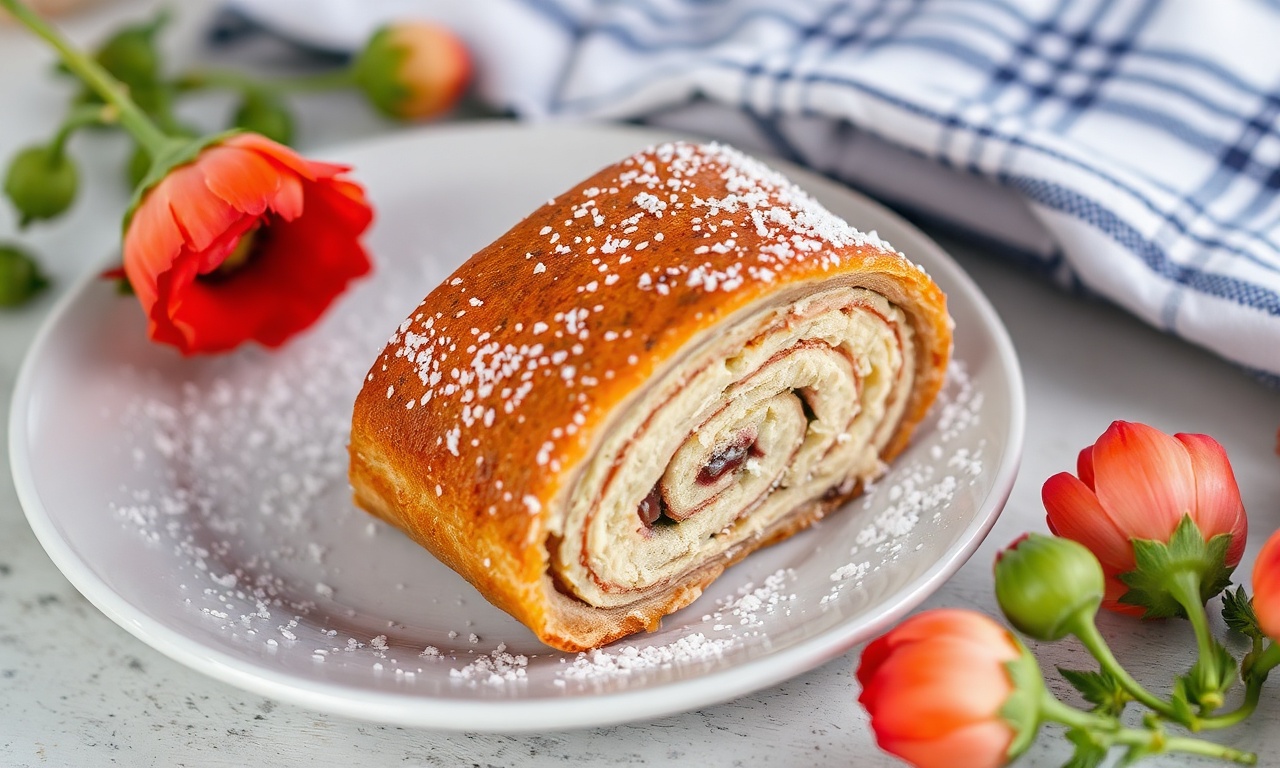
- Decorate: For an elegant finish, dust with powdered sugar once cooled or drizzle a simple glaze made from powdered sugar and lemon juice.
Serving Suggestions
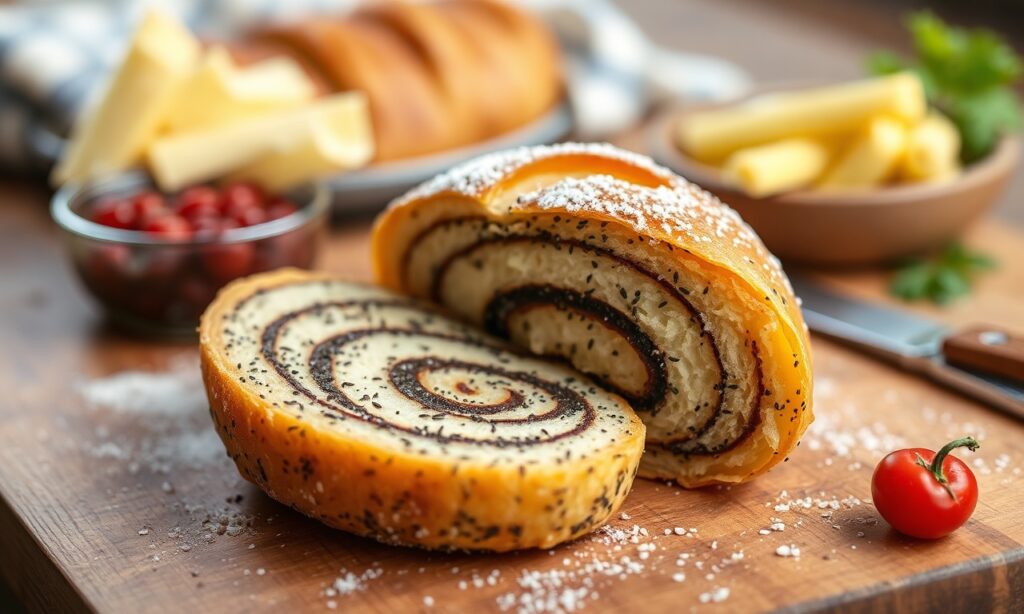
When it comes to Like Grandma, Slice the roll into thick pieces to showcase the striking spiral of black poppy seed filling against the golden dough. Serve slightly warm or at room temperature. This Grandma’s Authentic Polish Poppy Seed Roll pairs beautifully with a cup of strong black tea, a dollop of crème fraîche, or a light drizzle of honey. Garnish the plate with fresh orange zest or edible flowers for a festive touch during holiday meals.
| Nutrient | Per Serving |
|---|---|
| Calories | 290 kcal |
| Protein | 6 g |
| carbohydrates | 42 g |
| Fat | 8 g |
In the context of Like Grandma, Discover more on traditional heritage bakes in our Traditional Eastern European desserts collection. For deeper history and cultural context of the makowiec, the Wikipedia entry on Poppy Seed Roll offers invaluable insights.
Q&A
Q&A: Just Like Grandma’s Authentic Polish Poppy Seed Roll
Around Like Grandma, Q1: What is Makowiec, and why is it so cherished in Eastern European cultures?
A1: Makowiec is a traditional poppy seed roll celebrated across Poland, Slovakia, and Hungary. Known for its tender, golden dough swirled with a luscious poppy seed filling, it’s more than just a pastry—it’s a symbol of prosperity and good fortune, often enjoyed during holidays and family gatherings. Its rich aromas and sweet spices evoke a sense of warmth and nostalgia.
Regarding Like Grandma, Q2: What ingredients give Makowiec its signature aromatic flavor?
A2: The magic lies in the poppy seed filling, which is typically blended with ground poppy seeds, honey or sugar, citrus zest (frequently enough orange or lemon), cinnamon, and sometimes a whisper of vanilla or nutmeg. These spices gently awaken the senses, creating a harmonious balance between sweet, earthy, and fragrant notes.
When it comes to Like Grandma, Q3: How is the poppy seed filling prepared to achieve that perfect texture?
A3: To achieve a filling that’s creamy yet textured, poppy seeds are usually soaked or lightly boiled before grinding. This softens the tiny seeds and releases their oils, allowing for a smooth paste once mixed with sweeteners and spices. Some homemade versions add chopped nuts or raisins for extra chew and bursts of flavor.
In the context of Like Grandma, Q4: Can Makowiec dough vary, and how does it impact the final roll?
A4: Absolutely! While most Makowiec recipes call for a soft yeast dough—light, slightly sweet, and enriched with butter or oil—some variations lean toward a richer brioche-like dough, adding even more tenderness. The dough must be pliable enough to roll tightly around the filling, ensuring those beautiful, spiral swirls of poppy seed goodness.
Around Like Grandma, Q5: Are there particular occasions when Makowiec is traditionally served?
A5: Yes, Makowiec is a festive delight especially associated with Christmas and Easter celebrations, symbolizing wealth and happiness for the new year or season. Its presence on the holiday table is as much a gesture of tradition as it is a treat for the palate.
Regarding Like Grandma, Q6: How can beginners best approach making their own Makowiec at home?
A6: Start with quality poppy seeds and take your time preparing the filling—grinding and soaking are crucial steps. Use a simple yeast dough recipe to avoid intimidation, and remember: rolling the dough snugly but gently ensures the roll holds together beautifully. Baking patiently at the right temperature yields a golden crust that’s slightly crisp outside and soft inside.
When it comes to Like Grandma, Q7: What are some creative twists on the classic Makowiec that can still respect tradition?
A7: Some bakers experiment by adding a splash of natural citrus juice or zest for brightness, incorporating chopped dried fruits like apricots or figs, or even swirling in a hint of cardamom for an exotic note. While variations exist, the essence remains: a fragrant spiced poppy seed center enveloped by tender dough.
In the context of Like Grandma, Q8: Why do poppy seeds play such an important role in this pastry?
A8: Beyond their delightful crunch and earthy flavor, poppy seeds historically symbolize fertility, abundance, and good luck in many Central and Eastern European cultures. Their deep, nutty aroma and characteristic texture make them indispensable in Makowiec, connecting the pastry to centuries of heritage.
Q9: How is Makowiec typically served?
A9: Frequently sliced into generous portions revealing the hypnotic spiral of filling and dough, Makowiec pairs beautifully with a hot cup of tea or spiced coffee. It can be dusted lightly with powdered sugar or glazed for an extra shine—a simple gesture that elevates both appearance and taste.
Q10: Can Makowiec be frozen or stored for later enjoyment?
A10: Indeed! Wrapped tightly, the poppy seed roll freezes well and retains its flavor and texture when thawed properly. Make it ahead of time for celebrations, or enjoy leftovers throughout the week—each bite tastes like a comforting stroll through festive traditions.
Closing Remarks
As the warm, fragrant aroma of the aromatic spiced poppy seed roll—Makowiec—wafts through kitchens old and new, it carries with it centuries of tradition, culture, and family stories folded into every swirl. This beloved Polish delicacy is more than just a pastry; it’s a flavorful journey into heritage, proof of the enduring magic of simple ingredients elevated by time-honored techniques.
Whether enjoyed during festive celebrations or as a comforting treat with afternoon tea, the Makowiec invites us all to savor not only its rich, spiced sweetness but also the shared memories that make every bite truly special. So next time you slice into this golden roll, remember: you’re partaking in a tasty tradition steeped in history and heart.
See also: Like Grandma