

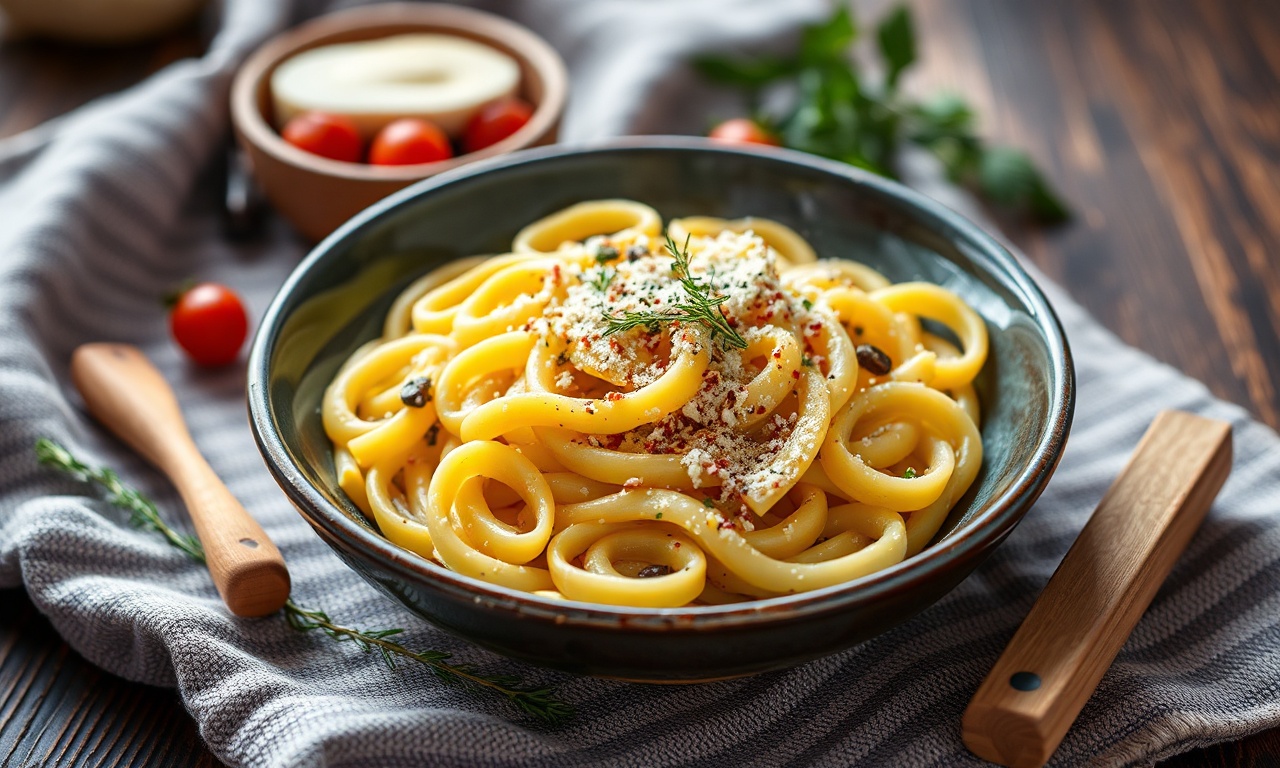
Delicious Authentic German Spätzle
In the heart of rustic German kitchens, where tradition meets comfort, there exists a humble yet unusual dish that has captivated taste buds for centuries – Delicious Authentic German Spätzle. These delicate, tender noodles, bathed in melted butter and fragrant herbs, transform simple ingredients into a symphony of flavor and texture. More than just a side, Spätzle is a celebration of homemade craftsmanship, a culinary embrace that warms both body and soul. Join us as we explore the art of creating this golden delight, uncovering the secrets behind its irresistible glow and the joyful tradition that makes every bite a blissful experience.
Delicious Authentic German Spätzle: A Taste of Tradition
Delicious Authentic German Spätzle: Butter, Herbs, and Homemade Bliss is a celebration of rustic tradition elevated by the simple luxury of fresh garden herbs and rich butter. This beloved noodle from Swabia, southern Germany, holds a special place in my kitchen – tender, pillowy, and kissed by golden butter, it evokes cozy family dinners and sun-dappled herb gardens. Crafting the perfect dough at home transforms this humble comfort food into an irresistible dish that delights every palate.
Prep and Cook Time for Delicious Authentic German Spätzle
- Preparation: 20 minutes
- cooking: 10 minutes
- total Time: 30 minutes
Yield
4 generous servings
Difficulty Level
Medium – hands-on with simple techniques for notable results
Ingredients
- 2 cups all-purpose flour, sifted
- 1 teaspoon fine sea salt
- 3 large eggs
- ¾ cup whole milk, lukewarm
- 3 tablespoons unsalted butter
- 2 tablespoons fresh flat-leaf parsley, finely chopped
- 1 tablespoon fresh chives, thinly sliced
- 1 teaspoon fresh thyme leaves, picked
- Freshly ground black pepper, to taste
Instructions
- Prepare the dough: In a large bowl, whisk together the sifted flour and sea salt. In a separate vessel, beat the eggs with lukewarm milk until blended. Gradually pour the wet mixture into the dry ingredients, stirring with a wooden spoon or spatula until a smooth, elastic batter forms. The dough should be thick but slightly runny; if too stiff, add a splash more milk.
- Rest the batter: Cover the bowl with a clean kitchen towel and let the dough rest for 10 minutes. This helps the gluten relax, improving the tenderness of the spätzle.
- Boil water: Bring a large pot of salted water to a rolling boil. Maintain a gentle boil; too vigorous and the spätzle may break apart.
- Form the spätzle: Using a spätzle maker, colander, or a large-holed grater, press the batter directly into the boiling water. The dough will form small, irregular dumplings that cook quickly.
- Cook until done: Wait for the spätzle to float to the surface (usually 2-3 minutes). Once floating, let cook for an additional 30 seconds, then use a slotted spoon to transfer the spätzle to a colander to drain.
- Infuse with butter: In a large skillet, melt the unsalted butter over medium heat until it begins to foam and turns golden, about 2 minutes. Add the drained spätzle and sauté gently until lightly browned, stirring occasionally to coat evenly—about 5 minutes.
- Add fresh herbs and season: Stir in the parsley, chives, and thyme. Season with freshly ground black pepper and adjust salt if needed. Toss everything together to fully incorporate the fragrant herbs and buttery richness.
- Serve immediately: Transfer the shimmering golden spätzle to warmed plates and enjoy while steaming hot and aromatic.
Chef’s Notes
- Texture tips: The hallmark of authentic spätzle is its delicate chew with a slight bite. If your dough feels too stiff, add milk by teaspoons until it flows smoothly but retains body.
- Variations: Swap in fresh dill or tarragon for a different herbal accent. For a dairy-free version, replace butter with olive oil, but the butter truly enhances richness and color.
- Make-ahead guidance: The dough can be refrigerated for up to 4 hours before cooking. Stir before pressing to reincorporate any settled liquid.
- Common pitfalls: Avoid overcooking; spätzle cooks fast and can become mushy if left too long. A rapid transfer from water to butter is essential for a beautiful golden finish.
Serving Suggestions
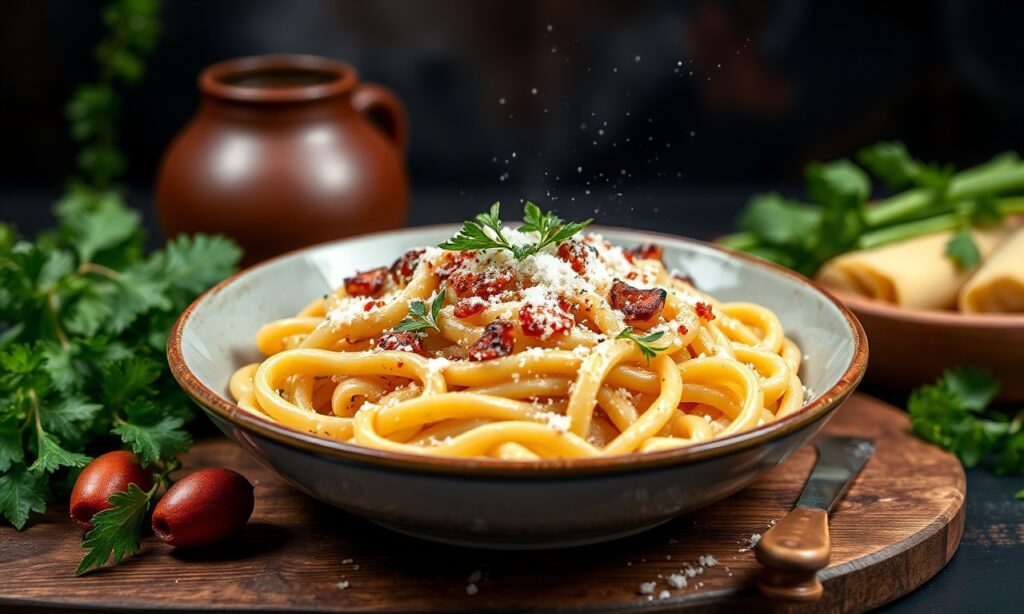
Savor your Delicious Authentic German Spätzle with a variety of accompaniments for a flawless meal. A simple cucumber salad dressed in tangy apple cider vinegar brightens the palate. Alternatively, serve alongside roasted seasonal vegetables or sautéed wild mushrooms tossed in garlic and fresh thyme. Top with a sprinkle of toasted almonds or grated aged emmental cheese for extra dimension.
When it comes to Delicious Authentic, For a truly authentic touch, garnish with a sprig of fresh parsley and a dusting of cracked black pepper. Enjoy as a centerpiece or an elevated side dish with your favorite vegetarian or poultry main courses.
| Nutrient | per Serving |
|---|---|
| Calories | 320 kcal |
| Protein | 9 g |
| Carbohydrates | 40 g |
| Fat | 12 g |
In the context of Delicious Authentic, Discover more customary German dishes to accompany your spätzle by exploring our Classic German Vegetarian Recipes. For an authoritative history and deeper insight into spätzle, visit Encyclopaedia Britannica’s guide on Spätzle.
Q&A
Q&A: Delicious Authentic German Spätzle
Around Delicious Authentic, Q1: What exactly are Spätzle, and why are they so special in German cuisine?
A1: Spätzle are tender, chewy egg noodles originating from Swabia, a region in southern Germany. Unlike typical pasta, they’re made fresh from a simple batter of flour, eggs, water, and salt, then dropped or pressed into boiling water. Their rustic, irregular shapes make them uniquely charming and perfect for soaking up rich sauces, buttery herbs, or gravies. They embody comfort food in its purest, homemade form.
Regarding Delicious Authentic, Q2: What makes Golden German Spätzle shine in this particular recipe?
A2: The golden hue in this recipe comes from a generous toss in sizzling butter until each little noodle gleams with a glossy sheen. Fresh herbs like chives, parsley, or thyme add vibrant color and an aromatic pop, while the butter’s richness wraps every strand in cozy warmth. It’s simplicity elevated into a sensual celebration of texture and flavor—pure homemade bliss.
When it comes to Delicious Authentic, Q3: Can you describe the texture and flavor profile one should aim for when making Spätzle?
A3: The ideal Spätzle are soft yet resilient, with a slight spring in their bite—think pillowy clouds that hold their own without turning mushy. The flavor is subtly eggy, slightly nutty from the browned butter, and enhanced by the fresh herbs’ brightness. When cooked properly, each bite melts softly on the tongue, with buttery, herbal notes lingering beautifully.
In the context of Delicious Authentic, Q4: What are the essential tips for perfecting homemade Spätzle?
A4: Start with the right batter consistency—thicker than pancake but still pliable enough to drop or press through a colander or spaetzle maker. Don’t skimp on butter; it’s the magic that transforms plain noodles into golden treasures. Cook them just until they float to the surface, indicating they’re done, then immediately toss in butter and herbs. Freshness is key—both in your ingredients and timing.
Around Delicious Authentic, Q5: Which herbs complement Spätzle best, and can they be mixed or substituted?
A5: Classic choices include chives, parsley, and thyme, each bringing their own nuance: chives add a mild oniony bite, parsley gives grassy freshness, and thyme imparts subtle earthiness. Feel free to mix these herbs depending on your mood or pantry. Dill or tarragon can also add intriguing twists, but the key is to keep the herbs fresh to maintain that luminous, vibrant lift against the buttery backdrop.
Regarding Delicious Authentic, Q6: Are Golden German Spätzle suited as a side dish, or can they stand alone?
A6: Both! Their rich, satisfying character makes them an excellent side for vegetable stews, roasted mushrooms, or creamy sauces. Yet, when tossed generously with butter and herbs, they transform into a gratifying main dish—simple, soul-soothing, and utterly addictive. Top with toasted nuts or a sprinkle of aged cheese for extra decadence if you like.
When it comes to Delicious Authentic, Q7: How does homemade Spätzle compare to store-bought or dried versions?
A7: Freshly made spätzle boast a tender, delicate texture and buttery flavor that dried or pre-packaged counterparts rarely match. The homemade process yields a fresh eggy aroma and melting mouthfeel, straight from pan to palate. Store-bought versions can be convenient, but the homemade route rewards you with a masterpiece borne of tradition and personal touch.
Q8: Can Spätzle be made ahead of time, and how should they be stored or reheated?
A8: Absolutely! Prepare and cook your Spätzle ahead, then cool them completely and store in an airtight container in the fridge for up to two days. To reheat, gently toss in butter over low heat until warmed through—this method revives their tender texture and golden hue. Avoid microwaving as it may dry them out. For longer storage, they freeze well before cooking, ready to be dropped directly into boiling water when needed.
Q9: What kitchen tools make Spätzle preparation easier or more authentic?
A9: While a sturdy wooden cutting board and a sharp knife can work, the traditional spaetzle maker—or a colander with large holes—streamlines the process. The spaetzle press or grater lets you push the batter directly into boiling water in uniform drops, speeding up cooking and ensuring even shapes. A wide skillet for browning in butter is essential to achieve that perfect golden finish.
Q10: Why does making Golden German Spätzle at home feel like a comforting ritual?
A10: The tactile joy of mixing, pressing, and browning Spätzle connects you with centuries of German home kitchens. It’s a hands-on process that invites mindfulness, creativity, and anticipation. The aroma of butter melting with herbs fills the air—a scent synonymous with warmth and care. This humble noodle dish transcends mere sustenance, becoming a heartwarming expression of homemade bliss.
To Conclude
As the final strands of Delicious Authentic German Spätzle disappear from your plate, what remains is more than just the memory of butter and herbs mingling in perfect harmony. It’s a celebration of tradition, a simple recipe transformed into homemade bliss with every tender bite. Whether served as a hearty side or a comforting main, these little pillows of dough embody the warmth of German kitchens and the joy of culinary craftsmanship.
So next time you crave a taste of authentic comfort, remember: with just a handful of ingredients and a little patience, you can bring the rustic charm of Spätzle right into your own home, creating moments as rich and satisfying as the dish itself.
See also: Delicious Authentic