

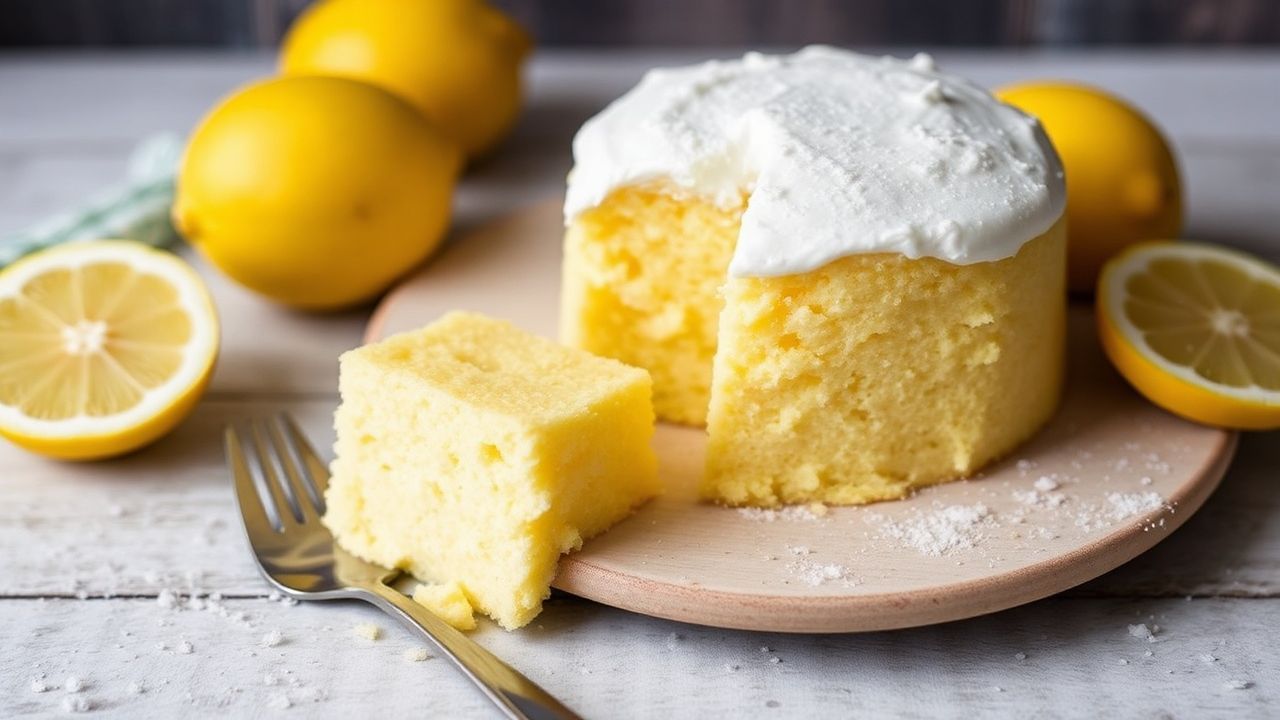
Lemon sponge pudding brings together two things people crave in classic desserts: a soft sponge lift and a bright citrus hit. This recipe-style dessert feels homey, yet it also tastes fresh because lemon zest and lemon juice drive the flavor.
- Why Lemon Sponge Pudding Stays a Favorite Classic
- Prep and Cook Time, Yield, and Difficulty
- Ingredients for Lemon Sponge Pudding
- Instructions: How to Make Lemon Sponge Pudding
- Tips for Selecting Ingredients to Elevate Lemon Sponge Pudding
- Expert Techniques for a Clean Rise (and Better Texture)
- Chef’s Notes and Troubleshooting
- Creative Serving Suggestions for Lemon Sponge Pudding
- Nutritional Snapshot (Approximate)
- FAQ: Lemon Sponge Pudding
At a Glance
- Light texture: Egg whites create air and a delicate sponge.
- Zesty profile: Lemon zest adds aroma, lemon juice adds tang.
- Easy timing: Prep fast, then bake until golden and springy.
- Best served warm: Flavor and texture peak right after baking.
Many home bakers reach for it at teatime, but it also works as a weeknight comfort pudding. You can serve it in a baking dish for sharing or in ramekins for neat portions.
With the right folding technique, the sponge stays airy instead of dense. Then the lemon flavor carries through every spoonful, so each bite feels balanced—tart, sweet, and gently buttery.
Lemon sponge pudding epitomizes lightness and vibrancy, making it a crowd-pleasing dessert for any table. The airy crumb pairs with a clear lemon aroma that tastes like sunshine on a cool day. It also sits comfortably in British-style home baking, where simple ingredients deliver impressive results.
Why Lemon Sponge Pudding Stays a Favorite Classic
This pudding lasts because it relies on proven baking science, not complicated steps. When you whip egg whites and then fold them into the batter, you trap air bubbles that expand during baking, giving the sponge its signature lift.
You can also trace the dessert’s appeal to the long popularity of sponge cakes and puddings in British home cooking. If you want more background on how sponges rise, see the role of sponge cake structure. The same principles—air, heat, and coagulation—carry through to this pudding.
In addition, lemons work hard for you. Lemon zest contains aromatic oils, and lemon juice brings acidity that sharpens sweetness. For a quick food science overview of acidity, read about acidity in foods.
Prep and Cook Time, Yield, and Difficulty
Plan a total bake time of about 35 minutes from start to finish. Most of that time goes to baking, so you still get an easy workflow.
- Preparation: 15 minutes
- Cooking: 20 minutes
- total time: 35 minutes
Yield: Serves 6 generous portions. If you use smaller ramekins, you may get a few extra servings depending on size.
Difficulty Level: Easy to Medium. You mainly need patience while folding egg whites and watching the oven during the final minutes.
Ingredients for Lemon Sponge Pudding
Use fresh lemons if possible, and zest them before juicing. That way you avoid the common problem of zesting a lemon that has already dried out.
For more on lemons as a citrus fruit, you can also review lemon basics. Then you’ll know exactly what to look for when choosing fruit with strong aroma.
- 4 large eggs, separated
- 3/4 cup granulated sugar, divided
- 1 cup all-purpose flour, sifted
- 1 teaspoon baking powder
- Zest of 2 large lemons, finely grated
- 1/2 cup freshly squeezed lemon juice
- 1/4 teaspoon cream of tartar
- 2 tablespoons unsalted butter, melted, cooled
- Pinch of salt
- Powdered sugar, for dusting (optional)
Instructions: How to Make Lemon Sponge Pudding
Start by preheating the oven and preparing your baking dish. Proper prep prevents sticking and helps the sponge rise evenly.
- Preheat your oven to 350°F (175°C). Grease a 9-inch round baking dish (or individual ramekins) and dust lightly with flour.
- Whisk the sifted flour, baking powder, and a pinch of salt in a bowl. Stir in the lemon zest so the aroma spreads through the dry mix.
- Beat the egg yolks with 1/2 cup sugar until pale and creamy, about 3–5 minutes. Then mix in lemon juice and melted butter until smooth.
- Fold the dry ingredients into the yolk mixture just until no dry flour remains. Set the batter aside.
- Whip the egg whites with cream of tartar using an electric mixer on medium speed. Gradually add the remaining sugar as the whites thicken, and beat until you get stiff, glossy peaks.
- Fold the meringue into the lemon batter in three additions. Use a gentle motion to protect the air bubbles. Stop when the batter looks uniform.
- Pour the batter into the prepared dish and smooth the top.
- Bake for 18–20 minutes, until the pudding turns golden and springs back when lightly touched. A toothpick should come out clean.
- Rest and serve for a few minutes. Dust with powdered sugar if you like, and serve warm.
While baking, the sponge sets as proteins coagulate and air expands. If you want to understand the heat effects that matter, review protein denaturation in cooking.
Note: oven temperatures vary. If your oven runs hot, start checking at minute 16 to avoid a dry sponge.
Tips for Selecting Ingredients to Elevate Lemon Sponge Pudding
Choose lemons with a strong fragrance and bright yellow skin. Then zest them finely so you distribute citrus oils evenly throughout the batter.
Use room-temperature eggs when possible. They whip more consistently, which helps you reach stiff, glossy peaks faster.
Also, measure flour by the spoon-and-level method if you do not have a kitchen scale. Too much flour can make the sponge feel heavy rather than light.
For leavening and lift, confirm your baking powder stays fresh. If you want a basic chemistry reference, see baking powder.
Expert Techniques for a Clean Rise (and Better Texture)
A smooth rise comes from a few controlled actions: sift dry ingredients, whip egg whites to true peaks, and fold gently. If any step feels rushed, slow down before you fold.
After baking, serve promptly for the best spoonability. As the pudding cools, the sponge firms up, which can still taste great but feels less cloud-like.
If you want a firmer set, bake 1–2 minutes longer. If you want extra tenderness, pull it right when it turns golden and springs back.
Chef’s Notes and Troubleshooting
If your pudding sinks in the center, it often comes from underbaking or overly aggressive folding. Check doneness by touch and by toothpick, not by color alone.
- Grease-free bowls help egg whites whip properly.
- Fold just until streak-free to keep volume.
- Use fresh lemon juice for sharper flavor.
- Rest briefly before serving so the set becomes stable.
You can also adjust flavor without changing structure. A teaspoon of lemon extract adds punch, but keep it modest so it does not mask the zest aroma.
If you want to experiment, consider a fruit-forward side that echoes lemon. For ideas on how sauces and syrups work in desserts, read about dessert sauces.
Creative Serving Suggestions for Lemon Sponge Pudding
Serve this lemon sponge pudding in warm ramekins for a bakery-style look. Then dust the top lightly with powdered sugar right before serving.
Add a contrasting texture for a polished finish. Try whipped cream, finely chopped pistachios, or a spoon of raspberry coulis to echo the lemon’s brightness.
For a cooler option, place a small scoop of lemon sorbet beside the pudding. The contrast between cold and warm makes the citrus flavor pop.
If you enjoy a sweet perfume, drizzle a thin honey-lavender syrup. Lavender works best as a subtle note, so use a light hand to avoid a soapy taste.
Nutritional Snapshot (Approximate)
Nutrition varies based on exact ingredient brands and serving size. Use this as a helpful estimate for portion planning.
| Nutrient | Per Serving |
|---|---|
| Calories | 220 kcal |
| Protein | 6 g |
| Carbohydrates | 30 g |
| Fat | 8 g |
FAQ: Lemon Sponge Pudding
What makes lemon sponge pudding feel “classic”?
Lemon sponge pudding delivers a classic combination: a light sponge lift from whipped egg whites and a bright citrus flavor from zest and juice. That balance makes it both comforting and lively.
Why does lemon sponge pudding sometimes turn dense?
Denseness usually happens when the egg whites lose volume. Overmixing, underwhipping, or overbaking can also reduce the airy sponge texture.
Can I make lemon sponge pudding ahead of time?
Yes, you can refrigerate leftovers for up to a day. Reheat gently so the sponge stays tender; microwave on short bursts works better than long heating.
How can I boost lemon flavor without making it sour?
Use both zest and juice. Zest adds aroma, while juice adds tang; together they create a balanced citrus taste. Also, measure sugar carefully so the dessert stays sweet enough.
Can I adapt this recipe for dietary needs?
You can explore swaps like gluten-free flour blends and egg substitutes, but results vary by brand. Keep the folding and baking method the same, since the sponge relies on air and proper set.
What occasions suit lemon sponge pudding best?
It fits teatime gatherings, family meals, and celebratory dinners when you want an elegant yet easy dessert. The fresh lemon flavor also works well for spring and summer events.
See also: lemon sponge pudding