
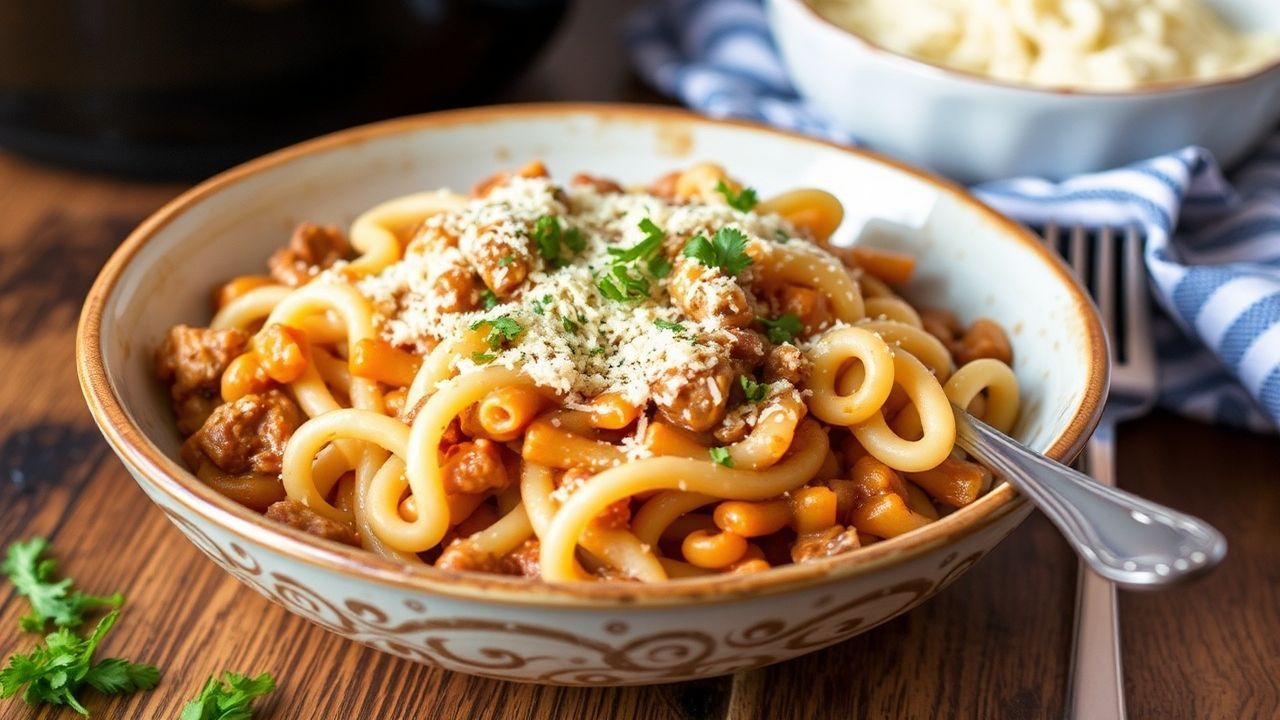
A ground beef and noodle casserole delivers warm, savory comfort in one baking dish. You get browned beef flavor, tender egg noodles, and a creamy sauce that holds together instead of pooling.
- Why Ground Beef & Noodle Casserole Always Works
- The Flavor Formula (What Makes This Casserole “Best”)
- 1) Brown the beef correctly
- 2) Build the sauce, then control the moisture
- 3) Cook noodles al dente—on purpose
- Ingredients You’ll Need (Simple, Reliable, Substitutable)
- Step-by-Step: The Best Method for Creamy, Cozy Results
- Common Problems (and How to Fix Them Fast)
- Problem: Watery casserole
- Problem: Noodles turned mushy
- Problem: Greasy texture
- Problem: Sauce feels grainy or split
- Make It Your Own: Variations That Keep the Comfort
- Meal Prep, Freezing, and Reheating Without Texture Loss
- Serving Ideas That Match the Richness
- At-a-Glance Recipe Card (Quick Reference)
- FAQ
- Thick, creamy texture: control moisture by simmering and draining well.
- Al dente noodles: undercook slightly so baking finishes the job.
- Golden cheese crust: layer cheddar for rich flavor and structure.
- Meal prep friendly: bake now, assemble ahead, or freeze for later.
Why Ground Beef & Noodle Casserole Always Works
Most casseroles feel inconsistent because home cooks skip two key steps: proper browning and smart moisture control. When you build the base well, the whole dish stays creamy and sliceable.
This recipe works because it balances protein, starch, and fat. Ground beef supplies savory depth, noodles carry the sauce, and dairy binds everything into a steady bake.
Ground beef adds hearty flavor, while egg noodles bring a bite that survives heat. Egg noodles also hold sauce well because the dough and starch structure stays firm during baking. If you want a quick refresher on egg-based pasta properties, see pasta.
One more reason this casserole stays popular: it turns pantry items into a full meal. You get dinner without extra pots, and leftovers reheat smoothly for the next day.
The Flavor Formula (What Makes This Casserole “Best”)
“Best” comes from four measurable targets: strong beef flavor, creamy binder, noodles cooked-but-not-mushy, and a browned top. Each target needs a specific technique, not just the right ingredients.
Start with a beef base that develops flavor through browning. Browning relies on the Maillard reaction, which needs enough heat and contact time. For the science behind that flavor, read Maillard reaction.
Next, you build a sauce that simmers long enough to thicken. Then you fold in slightly undercooked noodles so they finish in the oven. Finally, you top with cheese and bake until it sets and browns.
1) Brown the beef correctly
Cook the ground beef until it turns evenly browned, not gray. Break it into smaller pieces so it browns faster and releases fat evenly.
If excess fat pools in the pan, drain carefully. A greasy base usually leads to an oily casserole, even if the flavor tastes good.
After browning, season while the meat stays hot. Fat helps carry spices, and heat boosts aroma so the seasoning tastes fuller across every bite.
2) Build the sauce, then control the moisture
Diced tomatoes add brightness, but too much liquid makes noodles soft. Simmer briefly so the mixture thickens and cooks off excess water.
Also, avoid hard dairy boiling. Sour cream and milk need gentle heating so the sauce stays smooth instead of grainy.
Dairy splitting happens when heat runs too high for too long. If you want a reference on milk behavior during heating, see milk.
3) Cook noodles al dente—on purpose
Boil egg noodles until they still feel slightly firm. Drain well, then bake so the noodles finish cooking in the casserole.
This method prevents mush while keeping noodles tender. Pasta texture changes because starch absorbs liquid and softens with time and temperature, which you can review in pasta cooking.
Ingredients You’ll Need (Simple, Reliable, Substitutable)
This ground beef and noodle casserole uses a short ingredient list with clear job descriptions. If you understand what each item does, substitutions become easy.
Keep the roles the same: pasta adds structure, beef adds savory depth, and dairy builds a creamy binder. Then the casserole holds together from slice to bite.
Core ingredients
Ground beef (1 lb, 85% lean is ideal): rich flavor without too much grease. Leaner beef can still work, but you may need slightly more moisture adjustment.
Wide egg noodles (8 oz): choose sturdy noodles for sauce-holding power. Cook al dente, then drain well.
Onion (1 medium): sweetness and aroma. Mince fine so it blends evenly.
Garlic (3 cloves): adds depth. Sauté just until fragrant.
Diced tomatoes (1 can, 14.5 oz, drained): tang that brightens the beef base. Drain well to protect noodle texture.
Sour cream (1 cup): tang and creaminess that builds a smooth binder.
Cheddar cheese (1 cup total, divided): melt for a cohesive, golden top.
Milk (1/2 to 1 cup; use 1/2 cup): loosens the sour cream so it coats noodles evenly.
Seasonings & optional add-ins
Smoked paprika (2 tsp): warm, smoky edge that pairs with beef. It also makes the flavor taste richer without heat.
Oregano (1/2 tsp): herbal backbone. Use it early so it blooms in fat.
Salt and black pepper: season until the beef tastes bold before baking. Baking dulls flavor slightly, so start strong.
Optional vegetables (about 1 cup): peas, chopped bell peppers, or mushrooms. Add them after you cook the beef so they don’t dump water.
If you like the sweet aroma of cooked onion, the flavor shift comes from chemistry changes during heating. For a basic guide, see onion.
Step-by-Step: The Best Method for Creamy, Cozy Results
This process focuses on timing and temperature. Follow the order closely, and you’ll get a casserole that slices cleanly and tastes rich.
Use a skillet for the beef base, then combine everything in a baking dish. The oven finishes the noodles and melts the cheese crust.
Prep
Preheat your oven to 350°F (175°C). Lightly grease a 9×13-inch baking dish or use cooking spray.
Cook egg noodles in salted boiling water until al dente (about 6–8 minutes). Drain well and set aside.
Cook the beef base
Heat 1–2 tbsp olive oil in a large skillet over medium heat. Add chopped onion and cook 3–4 minutes until translucent.
Add minced garlic and cook about 30 seconds until fragrant. Then add ground beef and raise heat to medium-high.
Brown the beef fully, breaking it up as it cooks, about 8 minutes. If excess grease pools, drain carefully so the final bake stays creamy.
Season and simmer
Stir in smoked paprika, oregano, salt, and black pepper. Add drained diced tomatoes (and optional veggies) and simmer about 5 minutes.
This simmer thickens the sauce and reduces tomato liquid. Turn off the heat, cool briefly so dairy won’t scramble, then mix in drained noodles.
Make the creamy binder
Stir in sour cream, milk, and half the cheddar cheese. Mix thoroughly so each noodle gets coated.
If the mixture feels too thick, add a small splash of milk. You want it pourable enough to spread evenly.
Transfer to the baking dish and spread out evenly. Top with remaining cheddar for that bubbly, browned surface.
Bake and finish
Bake uncovered for 25–30 minutes until hot and lightly browned. For extra color, broil for 1–2 minutes near the end.
Rest the casserole for 5–10 minutes before serving. Rest time helps the sauce set, so your slices stay neat instead of runny.
Common Problems (and How to Fix Them Fast)
Even good recipes face repeat issues when the steps change. The fixes below protect texture, flavor, and sliceability in your ground beef and noodle casserole.
Work through the most common failures first. Then adjust only one variable so you can improve your next bake.
Problem: Watery casserole
Watery casseroles usually come from excess tomato liquid, under-drained noodles, or too-short simmering. Drain diced tomatoes and noodles carefully every time.
Next time, simmer the beef-tomato mixture for a full 5 minutes. If it’s already baked, bake a bit longer uncovered to evaporate moisture.
Problem: Noodles turned mushy
Mushy noodles usually happen from overcooking pasta before baking or baking too long. Reduce noodle boil time by about 1 minute and check around 20–25 minutes.
Also, confirm your casserole isn’t swimming in liquid. Thick sauce clings to noodles and slows over-softening.
Problem: Greasy texture
Grease often comes from using very lean beef that renders fat you don’t remove, or skipping draining after browning. Drain after browning, then assess the pan.
If needed, blot or remove pooled fat with a spoon. You also can carefully tilt the pan to move grease away from the meat.
Problem: Sauce feels grainy or split
Graininess can occur if dairy boils hard. Turn off the heat before stirring in sour cream and milk, then bake gently until heated through.
If you want a smoother outcome, warm the milk slightly before mixing. Warm dairy blends more easily without shocking sour cream.
Make It Your Own: Variations That Keep the Comfort
This casserole adapts well because the structure stays stable. You can change one component at a time and still preserve creamy texture.
Think in functions: swap the beef for a comparable savory protein, and keep noodles + dairy + cheese as the binder. Then you keep the familiar comfort taste.
Spicier version
Add diced jalapeños or a pinch of cayenne. Taste the beef base before baking, then build heat gradually.
Hot sauce on the side also works. It keeps the casserole friendly for everyone at the table.
Vegetable-packed version
Add mushrooms, bell peppers, or peas for color and texture. Sauté hearty vegetables first so they don’t release too much water later.
Mushrooms bring deep savory notes that complement beef. If you want background on savory flavor, see umami.
Swap the protein
Try ground turkey or chicken for a lighter option. You’ll often need a touch more salt because poultry tastes flatter without seasoning.
For a vegetarian take, use lentils plus sautéed mushrooms. Keep the creamy dairy and cheese so the casserole still feels rich and satisfying.
Meal Prep, Freezing, and Reheating Without Texture Loss
This dish reheats well because the sauce stays thick and the cheese helps hold moisture. With gentle reheating, leftovers taste close to day one.
Plan ahead to save time on busy weeknights. Cool it fast, store correctly, and reheat with care.
Make-ahead
Assemble the casserole up to a day in advance. Cover and refrigerate, then bake when it’s closer to room temperature for more even heat.
If you bake straight from the fridge, add 5–10 minutes. Bake until the center bubbles hot.
Freezing
You can freeze an unbaked casserole tightly wrapped for up to a few months. Label it with the date so you track quality.
To bake from frozen, increase cook time and cover early. This prevents the top from overbrowning before the center heats through.
Reheating
Reheat in the oven at 350°F (175°C) covered with foil for 15–20 minutes. Foil reduces moisture loss and protects noodle texture.
Try to avoid microwaving if you want the best texture. If you must use a microwave, add a splash of milk and stir once.
Serving Ideas That Match the Richness
This casserole already feels complete, but the right side improves balance. Choose something fresh to cut through creamy beef flavor.
Short pairings work best on weeknights. Pick one crisp side and one bright element.
Fresh and bright
A green salad with lemony vinaigrette keeps the meal from feeling heavy. You can also serve cucumber-tomato salad for extra freshness.
For a classic option, pair with steamed green beans tossed lightly in butter.
Crunch and comfort
Garlic bread pairs naturally with cheesy casseroles. If you prefer lighter bread, choose crusty rolls instead of dense slices.
For extra crunch, add roasted vegetables like broccoli or Brussels sprouts. Roast brings sweetness that balances the beefy tang.
At-a-Glance Recipe Card (Quick Reference)
Use this checklist when you need speed. Follow the order and your ground beef and noodle casserole will turn out consistent every time.
Keep it near your oven so you don’t miss key timing details that protect texture.
Quick steps
1) Preheat oven to 350°F and grease a 9×13 dish. 2) Boil noodles al dente; drain well.
3) Sauté onion, then garlic. 4) Brown beef and drain excess.
5) Season with paprika and oregano; simmer with drained tomatoes. 6) Mix in noodles, sour cream, milk, and half the cheddar.
7) Bake 25–30 minutes; rest 5–10 minutes; serve hot.
FAQ
Can I use regular pasta instead of egg noodles?
Yes, but the texture changes. Choose a pasta that holds sauce well, such as rotini or penne. Cook it slightly under the package time so it finishes during baking.
Also, keep your moisture controlled. If your sauce looks thin before baking, simmer a little longer before combining with pasta.
How do I make it thicker if my casserole looks loose?
Simmer the beef-tomato mixture longer next time so the sauce thickens before it meets the noodles. Drain tomatoes well and confirm your noodles are not overcooked.
If it’s already loose, bake uncovered a few extra minutes. The heat evaporates moisture and lets cheese set more firmly.
What’s the best cheese for the top crust?
Cheddar delivers the strongest classic flavor and dependable melt. It forms a cohesive top that helps the casserole slice.
You can blend cheddar with mozzarella for extra stretch, but keep cheddar as the base for flavor and browning.
Can I make this casserole without sour cream?
You can swap with full-fat Greek yogurt or cream cheese, but results vary. If you use yogurt, mix gently and avoid high heat while mixing.
If you use cream cheese, warm it first so it melts smoothly. Then bake until hot in the center.
How long does it last in the fridge?
Store leftovers in a covered container for about 3–4 days. Cool the casserole quickly before refrigerating for best safety and texture.
Reheat in the oven covered with foil so the noodles don’t dry out. Heat until the center is hot and steaming.
Is it possible to make it vegetarian?
Yes. Replace ground beef with sautéed mushrooms and lentils (or a plant-based crumbled protein). Keep the same sour cream, milk, and cheddar so the binder stays creamy.
Season well and drain excess veggie liquid. That step protects noodle texture and keeps the casserole thick.
See also: ground beef