

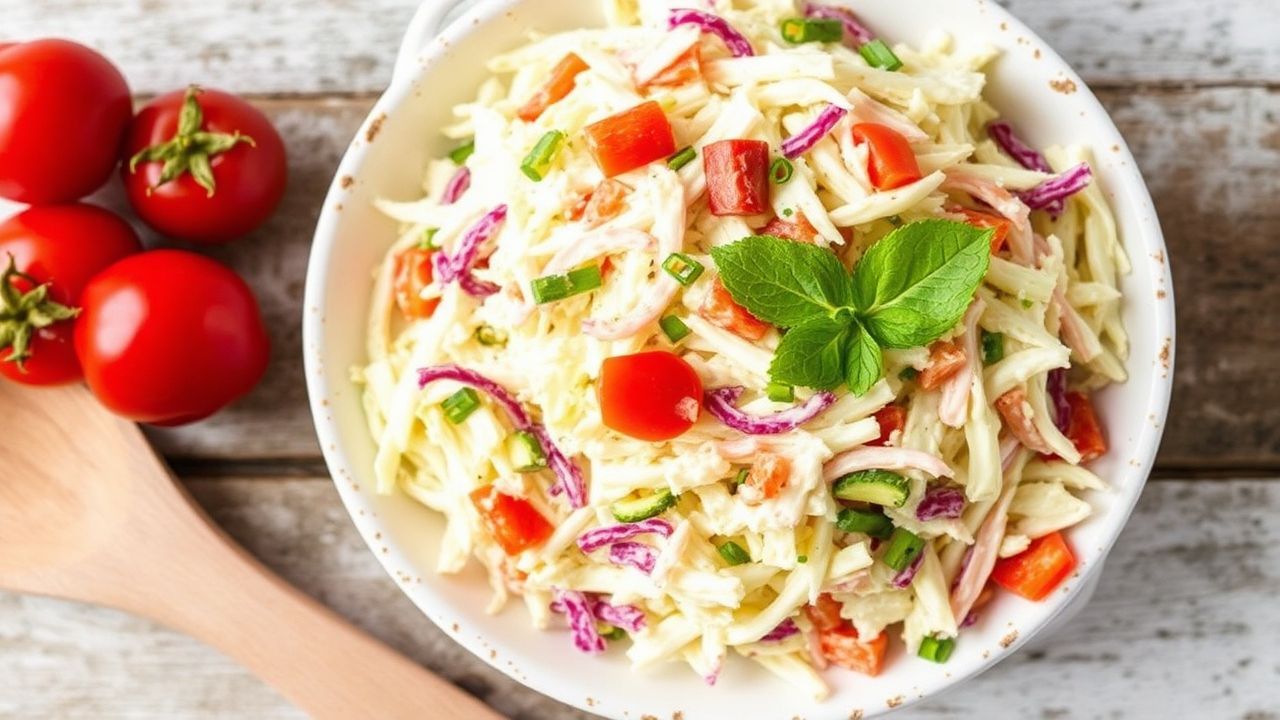
When it comes to classic side dishes, coleslaw usually brings a loud crunch and a creamy finish. This healthy coleslaw with Greek yogurt twist keeps both qualities while cutting the heaviness you often get from mayonnaise. You still get a tangy, satisfying bite that works for weeknights, barbecues, and meal prep.
- Crisp & Creamy Healthy Coleslaw with Greek Yogurt Twist
- Prep and Cook Time
- Yield and Difficulty Level
- Ingredients for Healthy Coleslaw with Greek Yogurt Twist
- Instructions
- Tips for Success
- Serving Suggestions
- Q&A
- Q1: What makes this healthy coleslaw recipe different from traditional versions?
- Q2: Can I use different cabbage varieties for this coleslaw?
- Q3: How do I keep coleslaw crisp and prevent it from getting soggy?
- Q4: How can I adjust the tanginess of the yogurt dressing?
- Q5: Is this coleslaw suitable for dietary restrictions?
- FAQ
- How long does this coleslaw last in the refrigerator?
- Can I make the dressing ahead of time?
- What should I serve with Greek yogurt coleslaw?
- Can I add fruit to the slaw?
- Does shredding technique affect taste?
- To Conclude
At a Glance
- Primary upgrade: swap mayo for protein-rich Greek yogurt.
- Texture control: shred evenly and chill before serving.
- Flavor balance: adjust vinegar and sweetener to match your taste.
- Make-ahead tip: toss dressing right before serving to stay crisp.
Traditional coleslaw depends on mayonnaise for body and tang. Greek yogurt provides similar creaminess, plus it brings a thicker mouthfeel and added protein. If you want a lighter side that still feels indulgent, this version gives you that sweet spot.
You can build this recipe around fresh shredded cabbage, carrots, and a quick yogurt dressing. Then you rest it briefly so the flavors meld without turning the vegetables limp. For the best results, follow the timing in the steps below.
Coleslaw also fits common dietary goals when you control ingredients. Cabbage supplies fiber and crunch, while the dressing stays simple and measurable. If you care about nutrition basics, read up on cabbage and how cruciferous vegetables behave in cooking and storage.
In short, this healthy coleslaw with Greek yogurt twist is crisp, creamy, and practical. It also scales well for gatherings because the prep moves fast and the recipe keeps in the fridge for a short window.
Crisp & Creamy Healthy Coleslaw with Greek Yogurt Twist
This recipe keeps the classic “crunch first” experience, then it coats everything in a creamy tangy dressing. Greek yogurt stands in for mayonnaise, which means you get a thicker base and a smoother blend with vinegar and mustard. As a result, the slaw tastes balanced instead of sharp.
For the vegetable mix, use green cabbage for tradition and purple cabbage for color. Carrots add natural sweetness and extra crunch. If you want an even finer texture, shred with a food processor, but keep pieces small enough to toss evenly.
Greek yogurt is also a smart ingredient choice for creamy dressings. It mixes well with acids like vinegar and stays stable for short resting times. If you want background on how yogurt fermentation works, see yogurt.
The healthiest version still needs good technique. Toss the dressing thoroughly, but don’t overwork the cabbage. Then chill so the flavors distribute, and serve while the slaw still feels fresh.
Prep and Cook Time
Prep Time: 15 minutes
Cook Time: 0 minutes (no cooking required)
This is a no-cook recipe, so your time goes into shredding and mixing. Because the dressing contains no heat, you can assemble it quickly and keep the vegetables crisp.
If you want faster prep, use a mandoline or a shredding disk on your food processor. Just keep your knife skills sharp for any final touch-up trimming.
Yield and Difficulty Level
Yield: Serves 6 as a side dish
Difficulty Level: Easy—great for beginner cooks and busy weeknights
This healthy coleslaw with Greek yogurt twist works for both casual meals and larger gatherings. You can double the batch without changing the method.
Even if you’ve never made coleslaw, follow the steps in order. The process focuses on simple whisking, careful mixing, and a short chill period.
Ingredients for Healthy Coleslaw with Greek Yogurt Twist
- 3 cups shredded green cabbage
- 1 cup shredded purple cabbage
- 1 cup shredded carrot (about 2 medium carrots)
- 1/2 cup thinly sliced red onion
- 1 cup plain Greek yogurt (full-fat for creaminess or low-fat for lighter texture)
- 2 tbsp apple cider vinegar
- 1 tbsp honey or pure maple syrup
- 1 tsp Dijon mustard
- Salt and freshly ground black pepper to taste
- 2 tbsp fresh chopped parsley (optional, for garnish)
- 1 tbsp extra virgin olive oil (optional, for added richness)
Keep the ingredient list focused. You want a short set of flavors: creamy yogurt, tangy vinegar, a gentle sweet note, and mustard for depth. That balance prevents “one-note” coleslaw.
If you want a deeper understanding of cabbage types, review cruciferous vegetables. It helps explain why cabbage stays crisp and how moisture affects texture.
Instructions
- Prepare the vegetables: Rinse the cabbage, carrots, and onion. Shred both cabbages and carrots finely, then thinly slice the red onion. Try to keep pieces similar in size so every bite feels balanced.
- Make the dressing: In a medium bowl, whisk Greek yogurt, apple cider vinegar, honey, and Dijon mustard until smooth. Season with salt and black pepper. For a silkier dressing, whisk in olive oil at the end.
- Combine veggies and dressing: Add the shredded cabbage, carrots, and onion to the bowl. Toss gently but thoroughly until every strand looks lightly coated.
- Chill and let flavors meld: Refrigerate for at least 30 minutes before serving. This short rest helps the vinegar and mustard distribute while keeping the crunch.
- Finish with garnish: Just before serving, sprinkle chopped parsley. This adds fresh herb notes and improves visual appeal.
When you whisk yogurt dressing, aim for a smooth, pourable texture. If it feels too thick, add 1–2 teaspoons of water and whisk again. That adjustment helps the dressing coat vegetables evenly.
For a quick nutrition foundation, consider learning about dietary fiber. Cabbage and carrots bring fiber, which is one reason coleslaw can feel filling without excess fat.
Tips for Success
- Vegetable prep: Use a mandoline or food processor for consistent shredding. Uniform pieces improve texture and make tossing easier.
- Greek yogurt choice: Full-fat Greek yogurt gives the creamiest mouthfeel. Low-fat versions still work, but keep an eye on thickness and add a small splash of water if needed.
- Sweetener adaptability: Adjust honey or maple syrup to match your taste. If you like less sweetness, reduce by 1/2 tablespoon and taste again after resting.
- Storage advice: Store in an airtight container in the fridge for up to 2 days. For best crunch, keep dressing and slaw separate if you meal prep.
- Acidity balance: If it tastes too sharp, add a teaspoon of cream or a spoon of extra yogurt. Taste after chilling since vinegar mellows over time.
Texture is the main success metric for coleslaw. Moisture triggers softening, so keep portions in sealed containers and avoid long rests at room temperature. This approach protects the “crisp” part of the recipe.
Vinegar and mustard also affect flavor perception. Apple cider vinegar tastes slightly fruity, while Dijon adds mild tang and emulsifying properties. If you want more general context on vinegar types, see vinegar.
After you combine dressing with vegetables, work quickly. The goal is coating, not waiting. For large batches, portion into two bowls so you can mix evenly without crushing the cabbage.
Serving Suggestions
This healthy coleslaw with Greek yogurt twist shines when served chilled. Serve it alongside grilled chicken, burgers, fish, or roasted vegetables. The creamy tang cuts through rich flavors and keeps the meal feeling fresh.
For a more complete plate, pair it with foods that benefit from a cool, crisp side. Think of summer barbecues, deli-style sandwiches, and grain bowls. Add extra herbs for aroma, or include toasted nuts for crunch contrast.
If you like experimenting, try adding dill, chives, or a pinch of smoked paprika. These additions stay on theme because they complement yogurt’s dairy tang and vinegar’s acidity.
Nutrition-wise, coleslaw works as a lighter alternative to heavier creamy sides. For general background on herbs and their culinary use, check herbs.
| Nutrient | Per Serving |
|---|---|
| Calories | 110 kcal |
| Protein | 6 g |
| Carbohydrates | 12 g |
| Fat | 3.5 g |
Those numbers assume typical ingredient amounts and standard serving sizes. If you use full-fat Greek yogurt and add olive oil, calories and fat may rise slightly. Still, the recipe stays lighter than many mayonnaise-heavy coleslaw versions.
For more side-dish ideas built around fresh vegetables, you can explore related concepts like crunch-first salads and yogurt-based dressings. The method matters more than the name—shred well, balance acid, and chill before serving.
Q&A
Q&A: Healthy Coleslaw with Greek Yogurt Twist
Q1: What makes this healthy coleslaw recipe different from traditional versions?
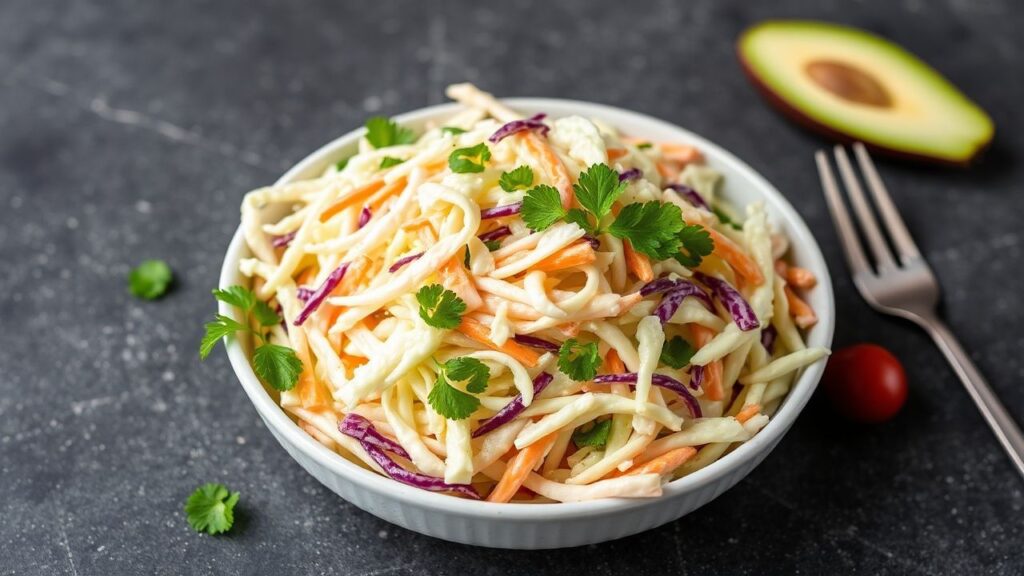
Traditional coleslaw often relies on mayonnaise, which can add a lot of fat and calories. This version uses Greek yogurt to deliver a creamy texture while keeping the ingredient list simple. The result is tangy, rich, and still lighter.
Q2: Can I use different cabbage varieties for this coleslaw?
Yes. Green cabbage tastes classic, while purple cabbage adds color and a slightly different flavor. You can also mix both to create a more vibrant bowl.
Q3: How do I keep coleslaw crisp and prevent it from getting soggy?
Chill the shredded vegetables first, then add dressing and toss close to serving. If you meal prep, store dressing separately and combine when you’re ready to eat. This timing preserves crunch.
Q4: How can I adjust the tanginess of the yogurt dressing?
Start with the vinegar and Dijon amounts listed, then taste after chilling. If it’s too tangy, add more honey or a small spoon of extra yogurt. If it’s too mild, add a tiny splash of vinegar.
Q5: Is this coleslaw suitable for dietary restrictions?
This recipe is naturally gluten-free. It also fits vegetarian diets because it uses dairy and vegetables. For vegan needs, you can use a plant-based yogurt alternative and adjust seasoning to match the tang.
If you want more general guidance on food and ingredient choices, refer to gluten-free diets for practical context. Always check labels on packaged yogurt alternatives.
FAQ
Quick answers for healthy coleslaw with Greek yogurt twist
How long does this coleslaw last in the refrigerator?
Plan to eat it within 2 days for the best crunch. Store it in an airtight container and stir gently before serving if moisture collects.
Can I make the dressing ahead of time?
Yes. Whisk the dressing, cover it, and refrigerate for up to 2 days. When you’re ready, toss with fresh shredded vegetables to maintain texture.
What should I serve with Greek yogurt coleslaw?
Serve it with grilled chicken, burgers, fish, and roasted vegetables. It also works on sandwiches and as a topping for grain bowls.
Can I add fruit to the slaw?
You can. Small amounts of chopped apple or pineapple add sweetness and freshness. Keep portions moderate so the slaw stays crisp and doesn’t become watery.
Does shredding technique affect taste?
Yes. Even shreds pick up dressing better and create a consistent bite. Use consistent sizing for the best mix of crunch and creaminess.
To Conclude
Healthy coleslaw with Greek yogurt twist gives you the creamy tang people love, without the heaviness of classic mayonnaise-based dressing. With a quick yogurt mix, shredded cabbage, and a short chill, you get a side that tastes bright and feels satisfying.
Make it once, and you’ll see why this format works for so many meals. Serve it chilled, adjust the sweet and tang to your preference, and keep an eye on timing to protect the crisp texture. When you nail those basics, coleslaw becomes the kind of side dish that disappears fast.
See also: Healthy Coleslaw