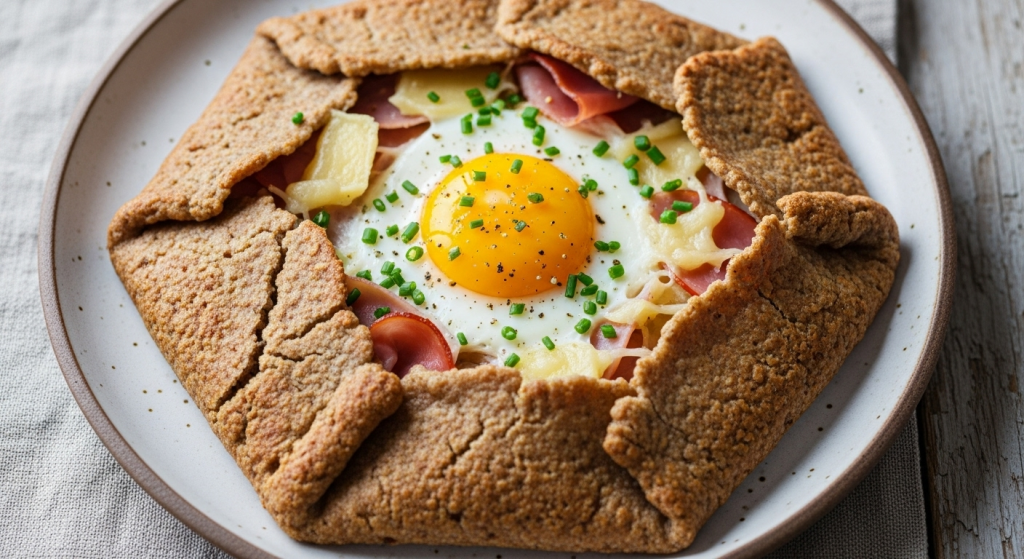

Beneath the delicate, lacy edges of a perfectly cooked crepe lies a world of rustic charm and hearty tradition-welcome to the realm of buckwheat galettes. these savory pancakes, hailing from the rugged landscapes of Brittany, France, tell a story of simple ingredients transformed by time-honored techniques into a dish that’s both comforting and sophisticated. unlike thier sweet cousins, galettes are earthy, nutty, and robust, showcasing the humble buckwheat flour in all it’s glory.
Join us as we uncover the origins, craftsmanship, and irresistible flavors of rustic savory crepes, inviting you to savor every bite of this culinary heritage.
Rustic savory crepes: buckwheat galettes uncovered opens a portal to Brittany’s windswept coasts and centuries-old culinary traditions. These hearty crepes, crafted from nutty buckwheat flour, have long been a staple of French country kitchens, beloved for their crisp edges and tender centers. I still recall my first bite on a chilly autumn morning in Brest-each bite was a warm embrace of rustic comfort, a dish both simple and profoundly satisfying.

Prep and Cook Time
- Planning: 15 minutes
- Resting Batter: 1 hour
- Cooking: 20 minutes
- Total: 1 hour 35 minutes
Yield
4 savory galettes (serves 2-4 depending on appetite)
Difficulty Level
Medium: Requires attention to batter consistency and skillet technique
Ingredients
- 1 cup buckwheat flour, sifted
- 1/2 teaspoon fine sea salt
- 1 large egg
- 1 1/4 cups cold water
- 2 tablespoons melted unsalted butter, plus extra for cooking
- for fillings: classic combinations such as sliced ham substitutes (turkey or chicken), shredded Gruyère cheese, sautéed wild mushrooms, caramelized onions, or fresh herbs
Instructions
- Mix dry ingredients: In a large bowl, whisk together the buckwheat flour and salt to ensure even seasoning.
- Combine wet ingredients: In a separate bowl, lightly beat the egg and stir in the cold water, followed by the melted butter.
- Create the batter: Gradually pour the wet mixture into the dry ingredients, whisking continuously to avoid lumps, until the batter is smooth and fluid.
- Rest the batter: Cover the bowl with a clean cloth and let it rest for at least 1 hour in the refrigerator. This step hydrates the flour, leading to a tender texture with crisp edges.
- Heat the pan: Preheat a non-stick or cast-iron skillet over medium-high heat. Lightly butter the surface before cooking each galette.
- cook the galettes: Pour approximately 1/3 cup of batter into the center of the skillet. Quickly tilt and rotate the pan to spread the batter thinly and evenly into a large circle.
- Achieve the perfect texture: cook until the edges turn crisp and lift from the pan (about 2-3 minutes). Flip gently using a spatula and cook the other side briefly for an additional minute.
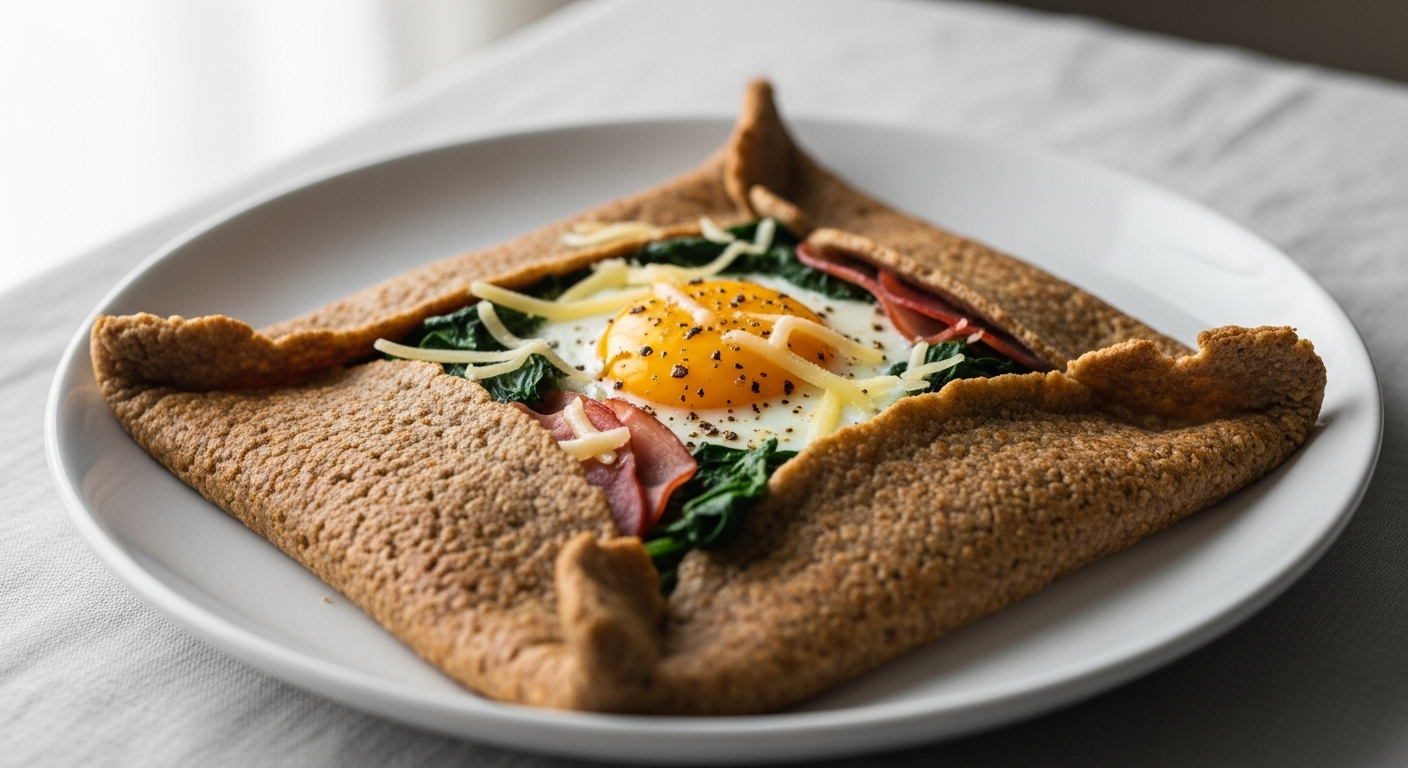
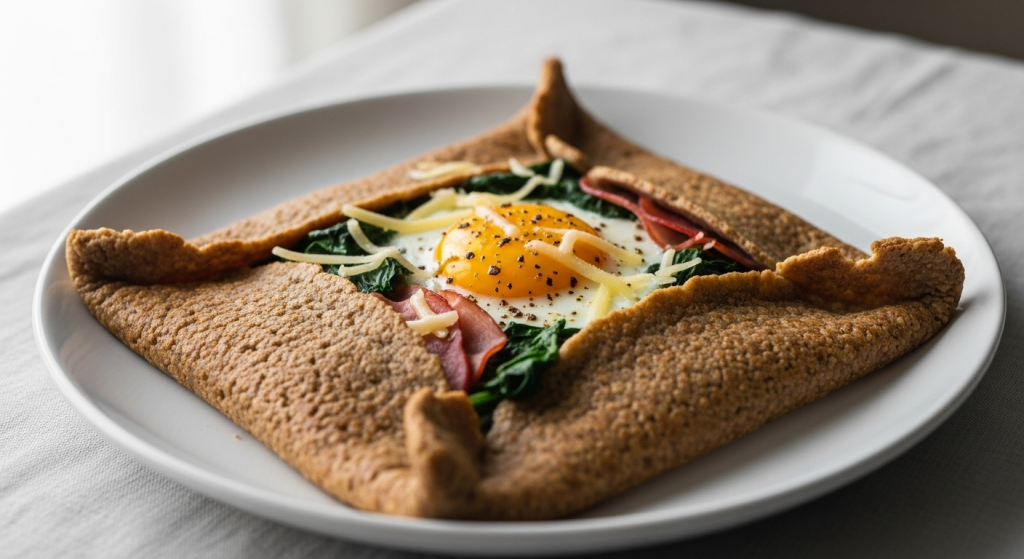
- Add fillings: Promptly after flipping, layer savory fillings such as turkey ham alternatives and shredded Gruyère or sautéed mushrooms and herbs. Fold the galette edges inward to form a square, leaving the center visible.
- Finish cooking: Allow the fillings to warm and cheese to melt,about 1-2 minutes,then carefully transfer to a warm plate.
- Repeat: Continue cooking and filling remaining batter, adding butter to the pan as needed.
Tips for Success
- Resting the batter is key for delicate galettes-don’t skip this step!
- Use a heavy-bottomed skillet for even heat distribution and consistent browning.
- Adjust water quantity slightly if your batter seems too thick; it should be thin enough to swirl easily but not watery.
- For a gluten-free option, stick strictly to buckwheat flour and avoid blends.
- Experiment with fillings: delicious alternatives include roasted vegetables, soft goat cheese, or fresh spinach.
- Prepare your fillings ahead of time for efficient assembly; sauté mushrooms and caramelize onions while the batter rests.
Serving Suggestions
Serve your galettes warm on rustic wooden boards or earthenware plates, garnished with fresh thyme or parsley sprigs. A crisp green salad dressed with lemon vinaigrette complements the nutty flavors beautifully. For an authentic touch,offer a small ramekin of grainy mustard or a drizzle of high-quality extra virgin olive oil. Pairing with a lightly brewed herbal tea or sparkling water finishes the meal perfectly.
| Nutrient | per Galette |
|---|---|
| Calories | 220 kcal |
| Protein | 8 g |
| Carbohydrates | 30 g |
| Fat | 7 g |
Mastering Rustic Savory Crepes for authentic Galette Enjoyment
Diving into the world of rustic savory crepes means embracing patience, precision, and creativity. By respecting the delicate buckwheat batter and balancing the richness of earthy fillings, you can recreate the charm and authenticity of French galettes in your own kitchen. For further inspiration and complementary recipes, explore our complete guide to French crepes and galettes. To deepen your appreciation of regional French cuisines, the Encyclopedia Britannica’s detailed entry on galettes offers an authoritative outlook.
Q&A
Q&A: Rustic Savory Crepes-Buckwheat Galettes uncovered
Q1: What exactly are buckwheat galettes, and how do they differ from regular crepes?
A1: Buckwheat galettes are a hearty, savory twist on the classic French crepe, originating from Brittany. Unlike the delicate and sweet wheat flour crepes, galettes use nutty, gluten-free buckwheat flour. This gives them a robust texture and an earthy flavor that pairs perfectly with savory fillings. Traditionally, galettes are larger, folded around fillings like cheese, vegetables, and eggs, making them an all-in-one rustic meal.
Q2: Why is buckwheat flour the star ingredient in these galettes?
A2: Beyond its unique, nutty taste, buckwheat flour is naturally gluten-free and nutrient-rich, packed with fiber, protein, and essential minerals. Its stronger flavor elevates the rustic character of galettes and provides a satisfying bite that stands up well to bold, savory fillings. Plus, its dark hue lends a charming artisanal look to the finished crepes.
Q3: How do you achieve the perfect texture when cooking buckwheat galettes?
A3: the secret to the perfect galette is a well-balanced batter and the right cooking technique. Combine buckwheat flour with just enough water (or milk alternatives) to create a thin, pourable batter. Letting the batter rest for at least an hour improves texture and flavor. Cook on a hot, lightly oiled non-stick pan or crepe pan in a thin layer-crispy edges and supple centers are the ideal result, providing that delightful contrast in each bite.
Q4: What are some classic and creative savory fillings to try with buckwheat galettes?
A4: Traditional fillings include melted gruyère or Comté cheese, sautéed mushrooms, fresh herbs, and a perfectly cooked egg (sunny side up or soft-boiled). For a modern twist, consider roasted root vegetables with caramelized onions, goat cheese with spinach and pine nuts, or sautéed wild mushrooms with fresh thyme. The earthiness of buckwheat pairs beautifully with umami-rich, seasonal ingredients.
Q5: Can buckwheat galettes be made vegan or dairy-free without losing their savory charm?
A5: Absolutely! Swap eggs in the batter for flaxseed or chia seed “eggs,” and use plant-based milk alternatives like oat or almond milk to maintain moisture. For the filling, creamy nut cheeses or tofu blends infused with herbs work wonderfully in place of traditional cheese. Sautéed vegetables,roasted garlic,and flavorful spreads like tapenade or cashew cream keep the galettes deliciously savory and satisfying.
Q6: Are buckwheat galettes suitable for special diets, like gluten-free or vegetarian?
A6: Yes! Buckwheat itself is gluten-free, making galettes a great choice for those with gluten sensitivity or celiac disease, provided the batter is prepared without cross-contamination. They are also naturally vegetarian and can be adapted easily for vegan eating preferences. Just be mindful of fillings and accompaniments to keep within dietary needs.
Q7: How do buckwheat galettes fit into a modern dining experiance?
A7: With their rustic charm and hearty nature, buckwheat galettes are the perfect canvas for creative cooking and seasonal ingredients. they make a stunning brunch centerpiece, a cozy dinner option, or even an elegant appetizer when cut into smaller portions. Their versatility bridges traditional French heritage with contemporary tastes, inviting both culinary experimentation and comforting familiarity.
Q8: Any tips for serving or pairing buckwheat galettes to elevate the meal?
A8: Serve galettes with a fresh, crisp salad dressed lightly with lemon vinaigrette to cut through the richness. A side of sautéed greens or a bowl of warm vegetable soup complements the rustic vibe. For an added touch, sprinkle fresh herbs like chives, parsley, or tarragon on top. The goal is a balanced plate that honors the nutty depth of the buckwheat while keeping the flavors vibrant and harmonious.
Dive into the world of buckwheat galettes and rediscover savory crepes with bold flavors, rustic textures, and endless creative potential. whether you stick to traditional favorites or explore fresh ingredient combos, these galettes are sure to warm the heart and tickle the palate!
Insights and Conclusions
As we fold the last delicate edge of our buckwheat galette, it’s clear that these humble crepes are much more then a simple dish-they are a party of rustic tradition and savory simplicity. From the earthy aroma of toasted buckwheat flour to the rich, melty fillings tucked inside each golden parcel, rustic savory crepes invite us to savor not just a meal, but a story of heritage and craft.
Whether enjoyed with a dollop of crème fraîche, a sprinkle of fresh herbs, or bold fillings that awaken the senses, buckwheat galettes stand as a timeless testament to the art of French comfort food. So next time you crave a bite that’s both hearty and delicate, remember: the charm of the rustic galette is always just a batter away.