
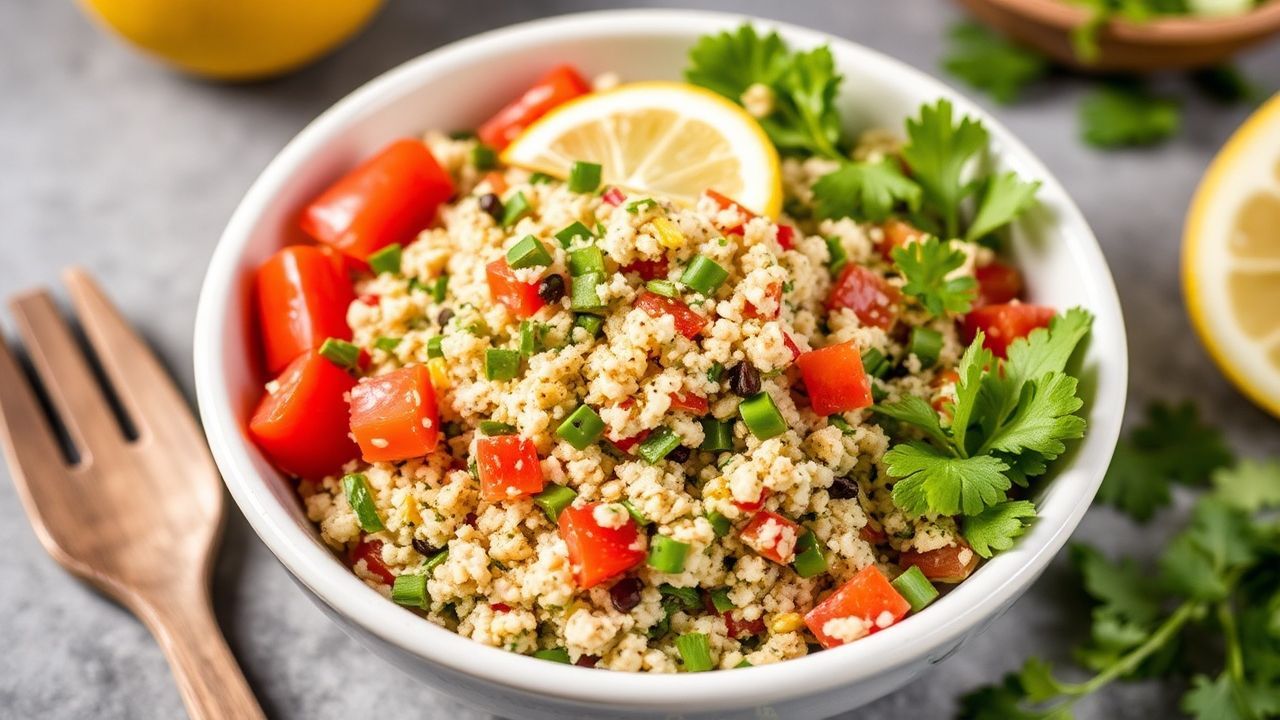
Tabbouleh-style salad earns its fame for one reason: it tastes bright, fresh, and herb-forward. This guide helps you build the right herb-to-grain ratio so every forkful stays light and zesty. You will rely on careful prep, not heavy cooking.
At a Glance
- Herbs lead: use plenty of flat-leaf parsley and mint.
- Bulgur matters: fine bulgur should soak, not boil.
- Balance lemon + olive oil: adjust acidity to taste.
- Rest improves texture: chill 30–60 minutes before serving.
Whether you cook for a mezze table or want a fast weeknight side, this method stays consistent. You will learn prep timing, ingredient choices, and texture fixes that prevent sogginess. You can also adapt it for dietary needs without losing the classic herb-lemon flavor.
Tabbouleh is a Middle Eastern salad known for fresh herbs, lemon dressing, and fine bulgur. It belongs to Levantine traditions where raw or lightly treated ingredients shine. When you chop herbs finely and soak bulgur until tender, the salad holds together and tastes clean.
Prep and Cook Time
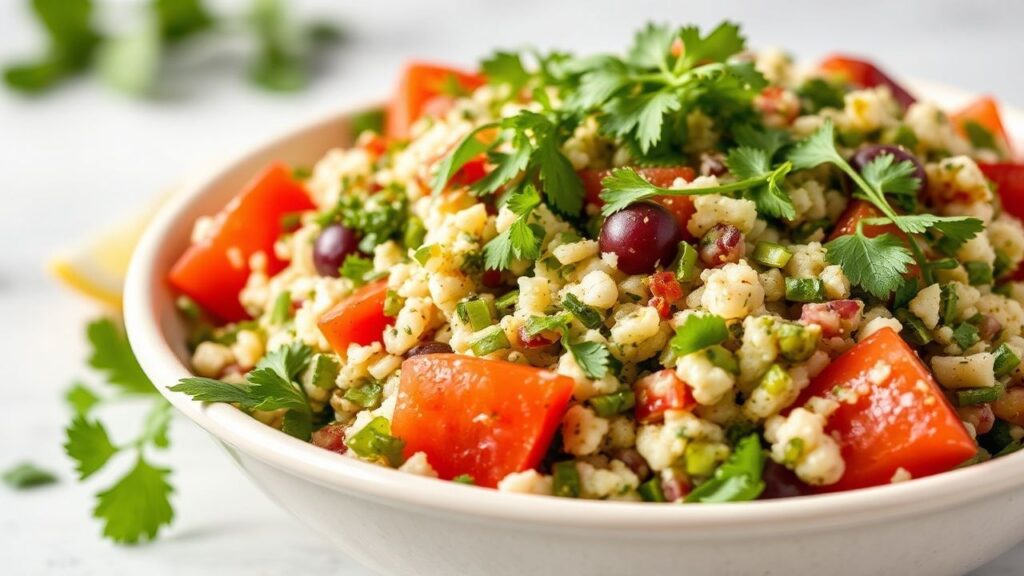
This tabbouleh-style salad fits easily into your schedule. You will soak bulgur, chop herbs, and mix the dressing in a short, focused window. Then you will rest the bowl so flavors blend.
Plan the work in stages so nothing over-softens. Bulgur needs time to hydrate, while tomatoes need gentle handling to stay crisp. A short rest also helps the dressing coat herbs evenly.
- Readiness: 20 minutes
- Soaking bulgur: 15 minutes
- Total time: 35 minutes (plus resting)
For best texture, rest for at least 30 minutes. Cooling helps the lemon-olive oil mixture cling to herbs. It also gives bulgur time to absorb without turning mushy.
If you want a firmer bite, rest on the shorter end. If you like a softer, more cohesive salad, rest closer to 60 minutes. Either way, you keep the herb-to-grain balance that defines tabbouleh-style salad.
Yield
This recipe makes enough for about 6 servings as a side dish or mezze. You can scale it for gatherings because the process stays the same. Most important, the herb-to-grain ratio stays stable.
For parties, portion it right before serving. This keeps the salad tasting extra fresh and chilled. It also helps maintain texture when guests scoop from the bowl.
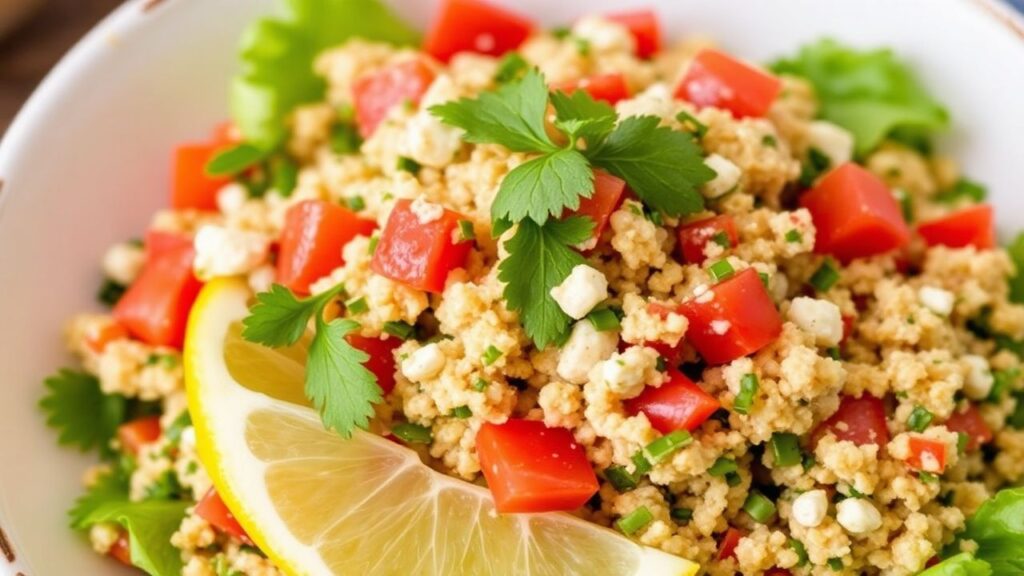
Store leftovers covered in the refrigerator. The herbs can soften slightly as time passes, so keep rest time in mind. For best flavor, plan to serve within 24 hours.
For make-ahead success, do not over-dress the salad early. Add dressing gradually and taste as you go. That simple control prevents watery pools and dull flavor.
Difficulty Level
This best tabbouleh-style salad recipe stays easy. You do not need special equipment or long cooking. Your main tasks are chopping and seasoning.
You get the biggest payoff from a fine herb chop and correct bulgur hydration. Those steps decide whether your salad feels crisp and cohesive or wet and uneven. A careful hand matters more than fancy technique.
Key Ingredients That Define an Authentic Tabbouleh-Style Salad
Authentic tabbouleh-style salad starts with a clear ingredient structure. You need fresh flat-leaf parsley, mint, fine bulgur wheat, ripe tomatoes, scallions, lemon juice, and extra virgin olive oil. Each item shapes texture, aroma, or acidity.
Fine bulgur gives the salad its signature bite. Bulgur comes from wheat kernels that get parboiled and dried, which explains its fast hydration. For background on wheat, see Wheat.
Parsley and mint should feel abundant in every forkful. Most people notice the herb flavor first, then the lemon follows. A bright herb base keeps the dressing from tasting too sharp.
Because parsley is the backbone herb, choose leaves that smell fresh and green. Stale herbs taste flat and can make the salad feel dull. For culinary background, review Parsley.
Ingredients You Shouldn’t Skip
Use herbs that look lively and smell green. If your parsley or mint wilts, the salad will taste weaker. Replace them rather than trying to fix flavor with extra lemon.
Choose firm tomatoes with good aroma. Dice them small so salt and lemon reach every piece. Small cuts also reduce the chance of big watery pockets.
Olive oil carries the lemon flavor and rounds sharp notes. Extra virgin olive oil usually delivers stronger aroma than refined oil. For an overview of oil types and processing, see Olive oil.
Ingredients
- ½ cup fine bulgur wheat
- 1 ½ cups boiling water
- 2 cups fresh flat-leaf parsley, finely chopped
- ½ cup fresh mint leaves, finely chopped
- 3 medium ripe tomatoes, diced
- 4 scallions, white and green parts, finely sliced
- Juice of 2 large lemons (about ⅓ cup)
- ⅓ cup extra virgin olive oil
- Salt, to taste
- Freshly ground black pepper, to taste
Step by Step Techniques to Master the Perfect Tabbouleh Texture
Texture makes or breaks a best tabbouleh-style salad. Start with soaked bulgur, then chop herbs finely, then season with a lemon-forward dressing. When you rest the bowl, flavors smooth out without destroying crunch.
Follow the steps in order so each ingredient hydrates at the right time. This reduces the chance of soggy tomatoes and watery bulgur. You can also taste as you go and adjust acidity and salt.
- Soak the bulgur: Put fine bulgur in a heatproof bowl. Pour 1 ½ cups boiling water over it. Cover and soak for 15 minutes, then drain any excess if it looks wet. The bulgur should feel tender but not mushy.
- Chop herbs finely: Use a sharp knife to finely chop parsley and mint. Fine cuts help herbs coat evenly and release aroma without turning into paste.
- Prepare vegetables: Dice tomatoes small and slice scallions thin. Smaller pieces distribute salt and lemon across the whole salad.
- Combine ingredients: In a large bowl, gently mix bulgur, parsley, mint, tomatoes, and scallions. Mix slowly to avoid crushing herbs.
- Add dressing: Whisk lemon juice, olive oil, salt, and black pepper. Drizzle over the salad, then fold gently so dressing spreads.
- Toss gently: Toss with salad utensils or clean hands. Stop when the salad looks glossy and evenly coated.
- Rest and chill: Refrigerate for 30–60 minutes. This helps flavors blend while keeping herbs bright.
Lemon’s acidity sharpens flavor and makes herbs taste more vivid. Acids also change how we perceive seasoning, which is why balancing lemon and salt matters. For the basics behind acids in food, see Acid.
If your salad tastes flat, add salt first. Then add lemon in small splashes. This order keeps the flavor balanced and prevents the dressing from becoming harsh.
Creative Twists and Flavor Boosters to Elevate Your Salad Game
Classic tabbouleh-style salad tastes best when you keep the core structure intact. You can add upgrades that still fit the same flavor logic: fresh, bright, and lightly spiced. Add-ons should support the lemon-herb base, not compete with it.
Cucumber adds cool crunch and extra hydration. Pomegranate seeds bring juicy sweetness that contrasts the lemon. Toasted pine nuts add warmth and a nutty note that works with parsley.
If you want more fruit flavor guidance, read Pomegranate. When you use pomegranate, fold it in right before serving for best texture.
- Crunch: diced cucumber or finely chopped radish
- Sweet bursts: pomegranate seeds
- Toasty texture: pine nuts or slivered almonds
- Protein boost: chickpeas or crumbled feta
For heartier meals, add cooked chickpeas or lentils. Choose a small amount so the salad stays herb-forward. For pantry context on chickpeas, see Chickpeas.
Keep add-ins in bite-size pieces and fold gently. If you want the clean tabbouleh taste, limit toppings that add too much moisture. This simple restraint protects texture.
If you love extra tang, use sumac sparingly. Sumac adds a lemon-like sourness without changing the dressing base. For a reference on the spice used in Middle Eastern cooking, see sumac.
Chef’s Notes: Tips for Success
Great tabbouleh-style salad follows repeatable rules. Start with fresh herbs, soak bulgur correctly, and season to match your taste. Then let the salad rest so flavors settle and blend.
Texture depends on timing and water control. Herbs need a fine chop, bulgur needs proper hydration, and tomatoes need gentle moisture management. When each step hits the right mark, the salad stays cohesive.
Use fresh parsley and mint with a strong green aroma. If the herbs look wilted, replace them. Wilted herbs bring bitterness and reduce the bright freshness that defines tabbouleh-style salad.
Follow these practical rules so you do not have to guess later. Each one protects flavor and keeps the salad from turning watery. Use them every time you make this recipe.
- Herbs first: chop parsley and mint finely for even distribution.
- Soak, don’t boil: fine bulgur needs soaking to keep a clean bite.
- Season carefully: balance lemon acidity with salt and olive oil.
- Rest improves flavor: chill 30–60 minutes before serving.
- Gluten-free option: use quinoa or cauliflower rice if needed.
- Knife matters: a sharp blade prevents bruising and keeps color.
If you switch to quinoa, note that quinoa has a different texture and absorbs dressing differently. Adjust rest time and dressing amounts to match the new base. For quinoa background, see Quinoa.
With cauliflower rice, moisture becomes even more important. Pat it dry after cooking or it will water down the dressing. Keep the same lemon balance, then taste and adjust salt.
Serving Suggestions
Serve tabbouleh-style salad cold for the best herb flavor and crisp feel. Use a shallow bowl so it looks abundant and inviting. Garnish with extra chopped mint and lemon wedges so guests can adjust acidity.
Pair it with warm breads, grilled vegetables, or protein dishes. The salad works well as a mezze centerpiece because lemon and herbs balance richer foods. This contrast makes the meal feel lighter.
For background on pita bread in Middle Eastern cuisine, see Pita. Warm pita helps you scoop and also carries the lemon-herb aroma.
For an easy spread, serve it alongside hummus and falafel or next to chicken and roasted eggplant. The herbs cut through smoky or savory notes and keep the plate from feeling heavy.
- Mezze platter: olives, baba ghanoush, and falafel
- Simple pairing: grilled chicken or roasted vegetables
- More filling: add chickpeas, lentils, or feta
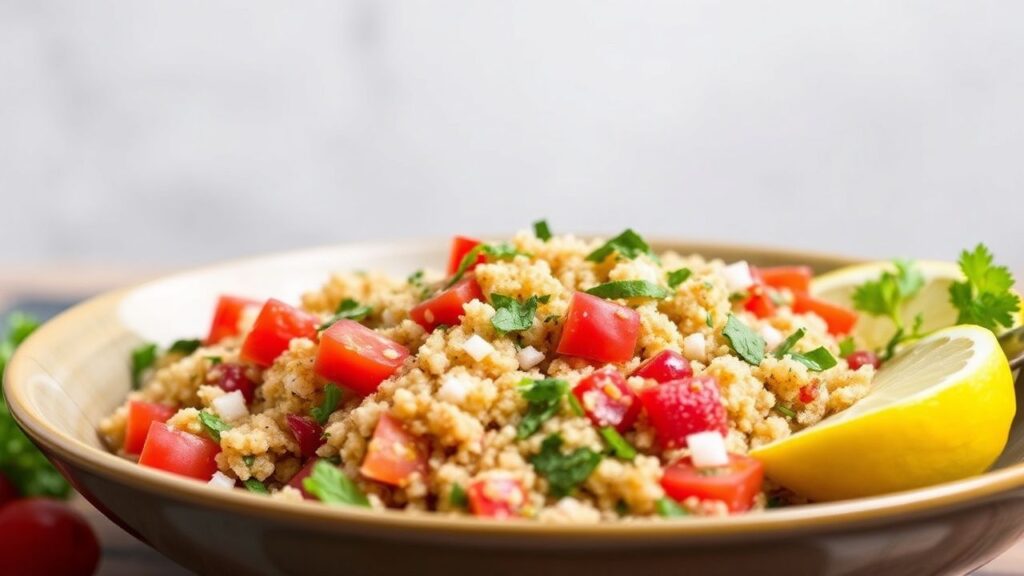
| Nutrient | Per Serving |
|---|---|
| Calories | 140 kcal |
| Protein | 4 g |
| Carbohydrates | 18 g |
| Fat | 6 g |
Mediterranean-style meals often emphasize plant ingredients, olive oil, and fresh produce. Tabbouleh fits that pattern through herbs, vegetables, olive oil, and whole-grain bulgur. For a general overview, see Mediterranean diet.
If you want extra variety, pair your salad with bread or a creamy dip. You will still keep the same taste logic: herbs lead, lemon brightens, and grains add gentle body.
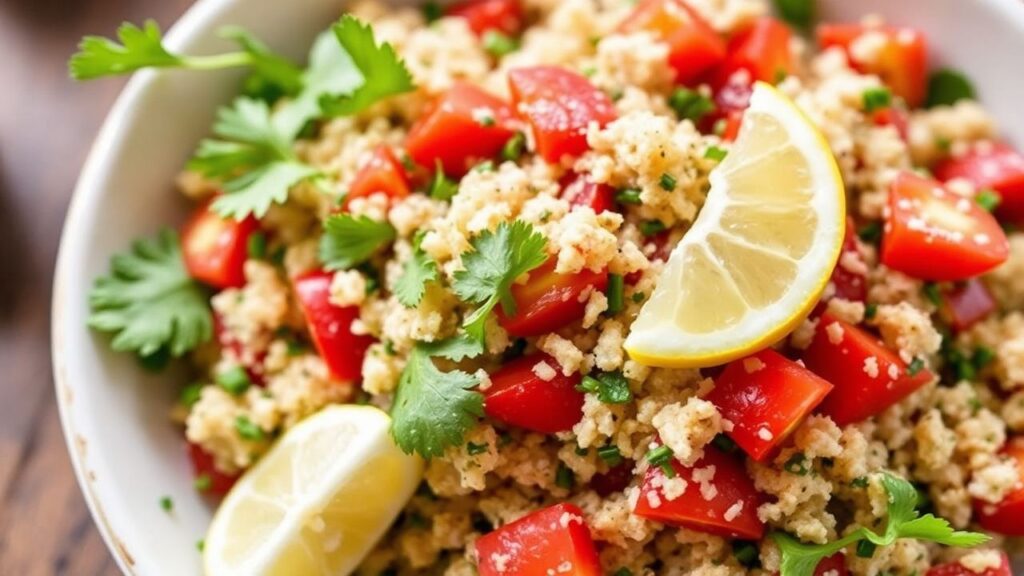
FAQ
Use these quick answers to solve common tabbouleh-style salad problems. Each answer targets texture, flavor balance, and prep timing. If you follow the steps above, most issues prevent themselves.
When you taste and adjust early, you save time and avoid waste. Use these FAQs as a last check before you serve.
What makes tabbouleh-style salad unique compared to other salads?
Tabbouleh-style salad stands out because fresh herbs lead the flavor. Fine bulgur adds a tender bite, while lemon juice and olive oil create a bright, balanced dressing. The result feels light even when it includes grains.
In most variations, the herbs-to-grain ratio stays high. That balance keeps every bite herb-forward instead of grain-heavy.
Can I make a gluten-free version?
Yes. Traditional bulgur contains gluten, so you can swap it for quinoa or finely chopped cauliflower rice. Each option changes texture, so taste the dressing after mixing and adjust lemon and salt.
If you use quinoa, cool it fully before adding it to the herbs. Warm grain can soften herbs faster than chilled grain.
How do I stop tomatoes from making the salad watery?
Dice tomatoes small and remove excess moisture. Let them rest on a towel for a few minutes, then mix gently. You can also add tomatoes last and rest for a shorter time if your tomatoes run very juicy.
Gentle mixing matters. If you mash tomatoes, you release more liquid and thin the dressing.
How much lemon juice should I use?
Start with about the amount listed, then taste before you add more. Lemon should taste lively, not harsh. If the flavor feels sharp, add a little more olive oil and a pinch of salt.
When you adjust, do it in small steps. This keeps the balance between acidity and salt consistent.
How far ahead can I prepare it?
You can make it ahead and refrigerate it for 30–24 hours. Flavor often improves after resting, but herbs may soften over time. For the freshest feel, mix, chill, and toss gently right before serving.
If you plan to hold it longer, consider adding delicate toppings later. This keeps crunch and brightness where you want it.
Quick Recap: soak bulgur, chop herbs finely, balance lemon with olive oil, and rest before serving. Follow those steps and your best tabbouleh-style salad will stay bright and cohesive.
See also: tabbouleh-style salad