
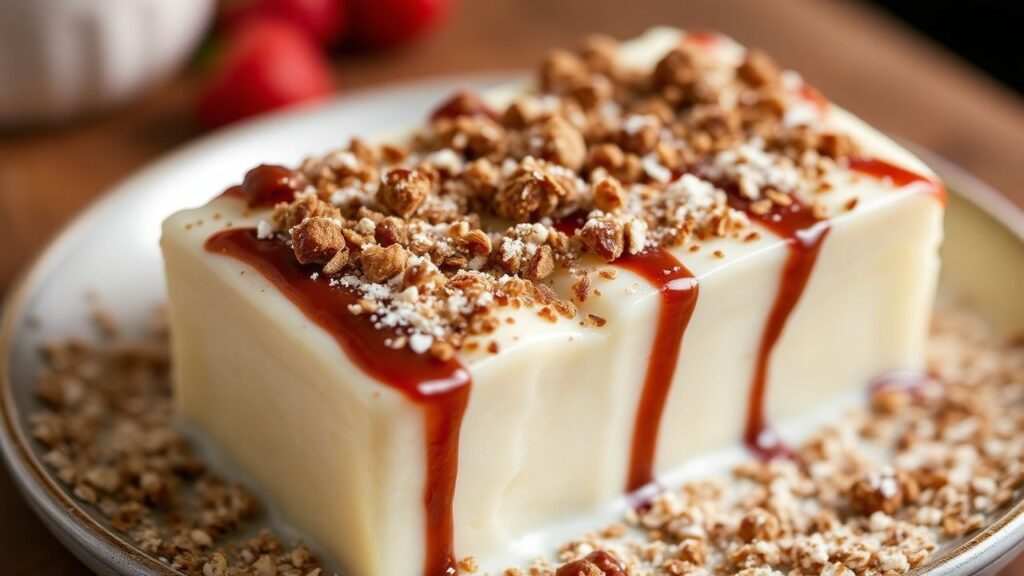
Junket dessert is a sweet curdled milk treat made with milk and rennet, then chilled for a smooth, custard-like bite. Its flavor stays mild and comforting, yet the texture feels distinct from egg custard or gelatin pudding. If you want a dessert with a real food-science story, this one rewards patience.
- What Is Junket Dessert and Why It Sets Without Eggs
- Ingredients for the Classic Sweet Curdled Milk Treat
- Prep and Cook Time (Realistic Planning)
- Step-by-Step Guide to Crafting Junket at Home
- Step 1: Warm the Milk to Enzyme-Friendly Temperature
- Step 2: Dissolve Sugar and Add Vanilla
- Step 3: Prepare the Rennet Correctly
- Step 4: Combine Carefully, Then Stop Mixing
- Step 5: Warm Set Until the Milk Breaks Cleanly
- Step 6: Chill for a Refined Custard Texture
- Origins and Cultural Importance of Junket
- Serving Ideas: Pairings That Match Junket’s Mild Flavor
- Chef’s Notes for Consistent Results
- Nutritional Snapshot (Per Serving Estimate)
- Explore More Milk-Based Comfort Desserts
- FAQ
- What exactly is junket dessert?
- Why does junket need rennet?
- How long does junket take to set?
- Can I make junket without boiling the milk?
- What toppings work best with junket?
- To Conclude
- Texture: rennet coagulates milk proteins into soft curds.
- Flavor: naturally mild, so sugar and vanilla carry the taste.
- Control: temperature matters—too hot can slow or stop setting.
- Serving: chill well, then top with fruit or warm spices.
In fact, junket sits at the intersection of classic cooking and practical enzymology. Milk contains casein proteins, and rennet’s enzymes help them form a stable curd. You can see the result as the liquid thickens into a tender, spoonable dessert that tastes lightly sweet.
People often treat it as a nostalgic comfort food, but it also works as a modern home project. You get a low-ingredient ingredient list, clear steps, and a repeatable outcome when you follow the temperature and mixing rules.
What Is Junket Dessert and Why It Sets Without Eggs
Junket dessert uses rennet instead of eggs or gelatin. Rennet contains an enzyme that supports the coagulation of milk proteins, creating a soft set. Because it relies on protein chemistry, you can keep the ingredient list simple while still getting a defined texture.
To understand the method, it helps to know how milk structure behaves. Casein proteins are suspended in milk and can aggregate when the right biological signals appear. For background reading, see casein and coagulation.
Also, avoid aggressive whisking once you add rennet. Gentle stirring for a short time helps distribute the enzyme, but constant agitation can disrupt the curd network as it forms. The goal is even dispersion, then quiet setting.
Ingredients for the Classic Sweet Curdled Milk Treat
You can make a traditional junket dessert with a short shopping list. Full-fat milk gives the best body because the fat helps carry aroma and supports mouthfeel. Then sugar balances the mild tang that can appear naturally as proteins transform.
Rennet controls the set. Choose an animal-source or vegetarian/vegan alternative based on your preference and packet instructions. If you want general enzyme context, check enzyme chemistry.
Core Ingredients
Whole milk: 4 cups (full-fat for smooth texture).
Rennet: 1 packet (about 1 tablespoon, depending on brand).
Sugar: 1/3 cup, plus more only if you prefer extra sweetness.
Vanilla: 1 teaspoon pure vanilla extract for a warm, rounded finish.
Optional Flavor Enhancers
You can add fruit, honey, or warm spices for contrast. Berries add acidity, while nutmeg adds a gentle “custard-like” aroma. Keep toppings light so the curd flavor remains the star.
If you’re experimenting, use small amounts. Changes in sugar and acidity can affect perceived tang, so taste as you go. For milk flavor science, see milk.
Prep and Cook Time (Realistic Planning)
Junket dessert doesn’t require long active cooking, but it does need a warm setting window and full chilling time. Plan ahead so you can serve it cold, when texture feels most refined.
Active steps stay short, then the milk needs time to transform. If you rush the chilling step, the dessert will stay softer and may not slice or spoon as cleanly.
At-a-Glance Timing
Readiness time: 10 minutes
Cooking/setting: 20 minutes (plus chilling)
Yield
Serves: 4 generous dessert portions
Difficulty
Difficulty level: Easy for beginners, as long as you control temperature and mixing.
Step-by-Step Guide to Crafting Junket at Home
Start with clean tools and accurate temperatures. Junket behaves best when you work gently and stay consistent. If your rennet packet includes a different timing range, follow it first.
Below is a dependable process for a classic sweet curdled milk treat. You’ll see the set develop during the warm window, then you’ll finish texture development in the fridge.
Step 1: Warm the Milk to Enzyme-Friendly Temperature
Pour whole milk into a heavy saucepan. Warm it over low heat until it reaches about 100°F (38°C).
Do not boil. If you overshoot, let it cool back into the target range before adding sugar and rennet.
Step 2: Dissolve Sugar and Add Vanilla
Stir in sugar until fully dissolved. Add vanilla extract and mix until evenly distributed.
This step matters because sugar dissolves better in warm liquid. Even sweetness also reduces the chance of uneven taste after chilling.
Step 3: Prepare the Rennet Correctly
If using powdered rennet, dissolve it in 2 tablespoons of cool, non-chlorinated water. Use the packet directions if your product calls for a different dilution.
For liquid rennet, measure according to the packet dose. Consistency keeps your curd set predictable.
Step 4: Combine Carefully, Then Stop Mixing
Slowly add the diluted rennet to the warm milk while stirring gently for about 10 seconds. Then stop stirring immediately.
Let the mixture sit undisturbed. Curds form as the proteins aggregate, and calm conditions help create a smooth structure.
Step 5: Warm Set Until the Milk Breaks Cleanly
Cover the pot and keep it in a warm spot for 20–30 minutes. You should notice thickening into a soft pudding.
To check, use a spoon to test for a clean break—liquid should not pool through the surface.
Step 6: Chill for a Refined Custard Texture
Refrigerate for at least 1 hour, though longer chilling often improves texture. Serve when fully cold for the best spoonable body.
If you plan toppings, add them right before serving so fruit stays fresh and doesn’t release excess juice.
Origins and Cultural Importance of Junket
Junket traces back to European household traditions, where cooks valued milk-based desserts for their comfort and simplicity. Many historical versions relied on natural rennet and stored well enough to serve as a planned dish rather than an instant treat.
As the recipe traveled, people adapted it to local ingredients. In some regions, it took on a “remedy-like” reputation, largely due to its nourishing milk base and the gentle satiety people associate with rich foods. For broader context on food history, see food history.
How Food Science Explains the Old Appeal
Curd formation creates a set that feels light yet satisfying. That combination made junket appealing as a dessert that still feels “wholesome” compared with heavy cakes or dense puddings.
It also reflects a wider tradition of enzymatic or fermentation-assisted cooking. See food fermentation for related background on how microbes and enzymes shape foods.
Today, junket survives in pockets of culinary culture and home kitchens. Many people revisit it when they want a nostalgic dessert that still feels doable with modern guidance.
Serving Ideas: Pairings That Match Junket’s Mild Flavor
Junket’s sweetness stays gentle, so toppings should add contrast rather than overpower the base. Fruit works especially well because its acidity balances the dairy richness.
Warm spices also pair well. Nutmeg and cinnamon echo classic custard aromas, which helps the dessert feel familiar even when you’re tasting something new. For spice background, visit nutmeg.
Best Pairings for Texture and Taste
Fresh berries: raspberries, blueberries, or strawberries.
Honey: drizzle lightly to keep the vanilla flavor visible.
Nutmeg: a small dusting for aroma.
Shortbread or biscuits: add a crisp edge to a soft spoonful.
If you want an adult twist, add a splash of liqueur in tiny amounts. Start small, because alcohol aroma can compete with vanilla. For general overview on beverages, see liqueur.
Presentation Tips
Serve junket in ramekins, small glasses, or vintage-style bowls. A clean pour and a smooth surface look premium with minimal effort.
Garnish only at the end. Fresh mint or edible flowers can add color without changing the flavor much.
Chef’s Notes for Consistent Results
Small tweaks can make a big difference in junket. Use full-fat milk, control temperature, and respect the setting time. Those three habits solve most “why didn’t it set?” questions.
Also, don’t ignore your water quality when dissolving rennet. Strong chlorine levels can affect enzyme behavior for some products, which can lead to weak curds.
Pro-Certainty Checklist
- Use fresh whole milk: low-fat milk can produce a less silky set.
- Hold temperature around 100°F (38°C): avoid boiling.
- Dilute rennet properly: follow packet dosing and dilution guidance.
- Stop stirring after adding rennet: let curds form undisturbed.
- Chill long enough: at least 1 hour for best texture.
Nutritional Snapshot (Per Serving Estimate)
Nutrition varies by milk fat level and exact rennet dose. Use the table below as a practical estimate for portion planning.
Because junket relies on milk proteins rather than eggs or flour, it often lands as a moderate-calorie dessert with meaningful protein for its size.
| Nutrient | Per serving |
|---|---|
| Calories | 150 kcal |
| Protein | 7 g |
| Carbohydrates | 12 g |
| Fat | 8 g |
Explore More Milk-Based Comfort Desserts
If you enjoy the dairy comfort of junket, expand your menu with other classic milk-based sweets. Custards and puddings use different set methods, but they share the same goal: smooth texture and rich flavor.
For a related read on traditional techniques, see Classic Custards and Puddings: Timeless Comfort Foods. You can also compare ingredient roles—enzymes vs. eggs vs. gelatin—to learn why each dessert feels different.
FAQ
What exactly is junket dessert?
Junket dessert is a sweet curdled milk treat made by warming milk, adding sugar and vanilla, then using rennet to coagulate milk proteins into a custard-like set. After that, you chill it until spoonable.
Why does junket need rennet?
Rennet provides enzyme activity that supports milk protein coagulation. Eggs and gelatin set differently, so they can’t fully substitute if you want the classic junket texture and method.
How long does junket take to set?
Warm setting usually takes about 20–30 minutes, depending on the product and your room conditions. Full texture and firmness come after at least 1 hour in the refrigerator.
Can I make junket without boiling the milk?
Yes. Keep the milk near 100°F (38°C). Gentle warming protects enzyme activity and supports a smooth set.
What toppings work best with junket?
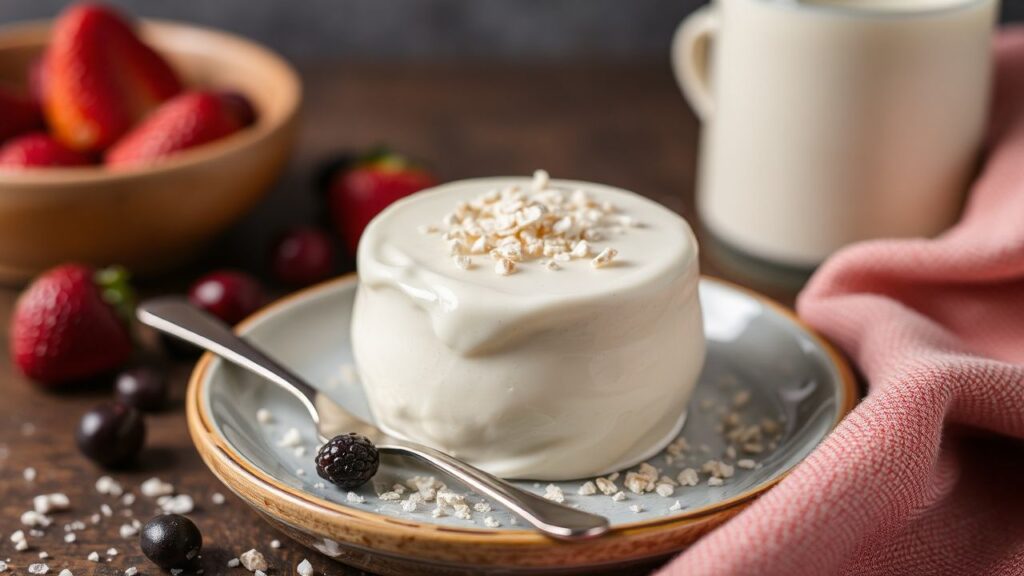
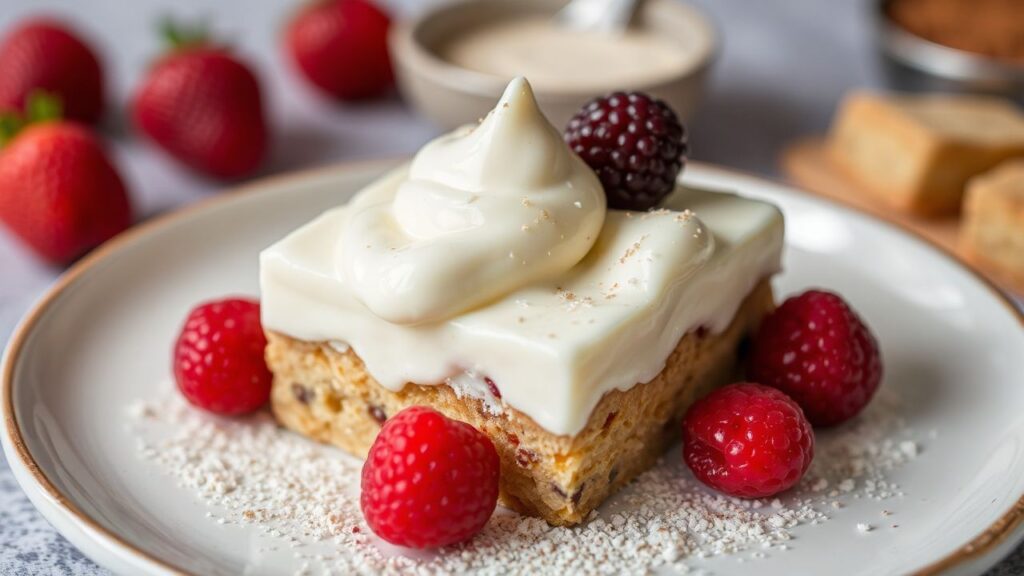
Fresh berries, a light honey drizzle, and a dusting of nutmeg match junket’s mild flavor. Serve fruit right before eating so the dessert stays creamy instead of watery.
To Conclude
Junket dessert turns simple milk into a smooth sweet curdled milk treat through a clear, enzyme-based process. With the right temperature, gentle mixing, and proper chilling, you can make a reliable custard-like result at home.
Once you master the method, you can personalize it with fruit, spices, and crisp sides. That mix of tradition and practical technique keeps junket worth trying—especially when you want something nostalgic that still feels fresh on the palate.
See also: junket dessert