

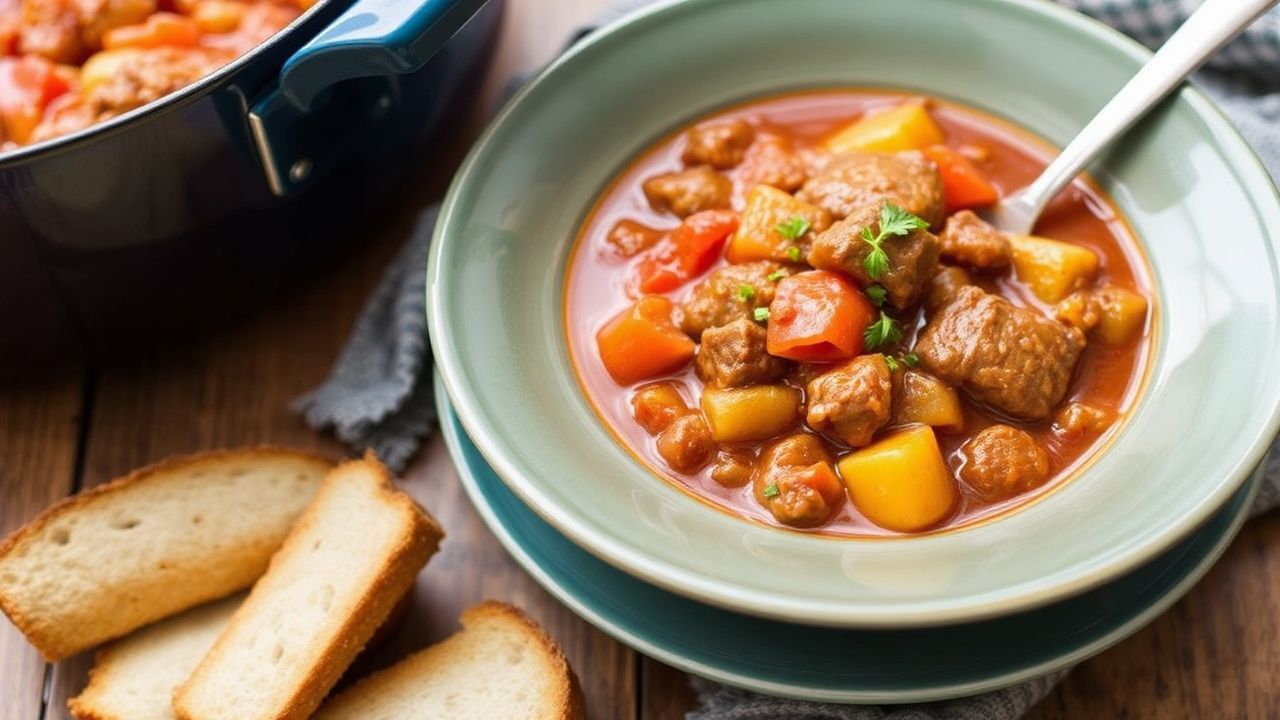
Hungarian goulash is the kind of comfort food that feels slow-cooked, even when you make it fast. This 20-minute one-pot Hungarian goulash keeps the signature paprika flavor and hearty texture, without hours of simmering.
- Prep and Cook Time
- Yield and Difficulty
- Essential Ingredients for Classic Hungarian Goulash Flavor
- Step-by-Step Guide to Perfecting One-Pot Goulash
- Tips for Balancing Richness and Spice in Every Bite
- Creative Serving Suggestions for Quick Comfort
- Chef’s Notes: Success Tricks and Variations
- Nutritional Snapshot (Approx.)
- FAQ
- What makes this 20-minute one-pot Hungarian goulash different from traditional versions?
- Can I make this recipe with stew meat or a different cut?
- Which paprika should I buy for the best taste?
- How do I keep the beef tender in only 20 minutes?
- What side dishes pair best with this goulash?
- To Wrap It Up
- One pot, one flow: sauté → brown → simmer.
- Paprika timing matters: toast it briefly to bloom flavor.
- Thick sauce fast: tomatoes + tomato paste do the heavy lifting.
- Tender beef in 20: use bite-size pieces and avoid overcooking.
If you love rustic stews, you’ll appreciate how paprika, beef, and vegetables come together in a tight cook time. You still get that classic, warming aroma—plus a sauce that clings to the spoon.
Prep and Cook Time
This version fits busy schedules because it uses a simple sequence and controlled heat. You prep while the pot heats, then simmer until the sauce thickens.
Preparation: 10 minutes | Cooking: 20 minutes | Total: 30 minutes
Yield and Difficulty
The recipe makes 4 generous servings, which works well for weeknight dinners or meal prep. It also reheats well, so leftovers don’t taste flat.
Difficulty: Easy. Even if you cook with stews only occasionally, you can follow the steps and get consistent results.
Essential Ingredients for Classic Hungarian Goulash Flavor
Good goulash starts with the right building blocks. Focus on paprika quality, proper tomato depth, and beef that cooks evenly in a short simmer.
Hungarian cuisine relies on bold spice and warm, savory foundations. If you want context, read about paprika and how paprika varieties change flavor.
- Beef chuck: 1 lb, cut into bite-sized cubes
- Hungarian sweet paprika: 2 tbsp (fresh and vibrant)
- Onion: 1 large, finely diced
- Garlic: 2 cloves, minced
- Red bell pepper: 1, diced
- Tomatoes: 2 medium chopped or 1/2 cup crushed canned tomatoes
- Beef broth: 2 cups, low sodium if you can
- Tomato paste: 1 tbsp for extra depth
- Caraway seeds (optional): 1 tsp, traditional and aromatic
- Salt and pepper: to taste
- Fat: 2 tbsp vegetable oil or lard
- Bay leaf: 1
- Potato (optional): 1 medium, peeled and diced
- Parsley: chopped, for garnish
Ingredient Notes That Impact Flavor
Paprika acts like a flavor engine here, so don’t replace it with random chili powder. Sweet Hungarian paprika gives warm color and a mild, rounded taste.
For tomato depth, use tomato paste to build a darker, richer base. If you want to understand how tomato products affect cooking, review tomato and its culinary role.
Broth and Heat Control
Use broth instead of water to keep the base savory. When the stew simmers, broth carries aromatics into the sauce.
Keep the simmer gentle. A hard boil can toughen meat and thin the stew instead of letting it thicken.
Step-by-Step Guide to Perfecting One-Pot Goulash
Follow these steps in order. Each one builds the next layer of flavor, so you don’t end up with “paprika-tasting water.”
This approach also respects how stews work: you brown for flavor, then simmer to soften. For broader background, see stew.
- Warm the oil in a heavy-bottomed pot over medium heat. Add onion and sauté until translucent and lightly golden, about 5 minutes.
- Toast the spices by stirring in paprika (and caraway seeds if using). Cook for 20–30 seconds until fragrant, then move quickly to the next step.
- Brown the beef in the same pot. Add beef cubes and sear 6–7 minutes, turning so they color on multiple sides.
- Build the aromatics: stir in garlic and bell pepper. Cook 2 minutes until the garlic smells sweet and the pepper softens.
- Add liquids and flavor: pour in beef broth, then stir in tomato paste, tomatoes, and bay leaf. Add diced potato if you want it thicker and more filling.
- Simmer and thicken: bring to a gentle simmer. Cover and cook 15 minutes, stirring once or twice.
- Finish: remove bay leaf. Taste and adjust salt and pepper, then add parsley before serving.
How the 20 Minutes Still Builds “Real” Flavor
Traditional goulash often cooks longer, but you can mimic depth by browning properly and using the right spice-to-liquid timing. In a short window, you must extract flavor fast.
That’s why you toast paprika briefly and brown the beef well. Browning triggers Maillard reactions, which you can read about in Maillard reaction.
Tips for Balancing Richness and Spice in Every Bite
Goulash should taste warm, savory, and balanced—not harsh or one-note. The goal is paprika sweetness with a gentle savory background and a sauce that feels thick.
Keep spice predictable by adjusting heat in tiny steps. Then, finish with acid or sweetness only if you need it.
- Choose quality paprika: sweet Hungarian paprika is the base. Avoid smoky blends unless you want a different style.
- Don’t rush browning: color on beef and onions adds depth that simmer time can’t replace.
- Adjust heat: add a pinch of cayenne or hot paprika if you want warmth.
- Use broth, not water: it keeps the sauce savory and helps it feel “complete.”
- Control thickness: simmer uncovered for 2–3 minutes if you want it thicker.
For acidity balance, tomatoes already help. If your stew tastes flat, add a small splash of vinegar or a squeeze of lemon at the end.
For an honest explanation of how heat and flavor compounds work, you can reference spices and their culinary function.
Also, don’t add too much liquid early. If the stew stays watery, you’ll need more simmer time, and that can overcook the beef.
Expert Insight: If you want a thicker sauce without extra simmer time, use diced potato or increase tomato paste by 1 teaspoon. Tomato paste thickens as it hydrates, so you get body while the beef stays tender.
Creative Serving Suggestions for Quick Comfort
Serving matters because goulash is a sauce-first dish. You want something that catches the gravy and keeps each bite cohesive.
Classic pairings include egg noodles or mashed potatoes. For quick guidance on noodle basics, see noodle.
Try one of these:
- Mashed potatoes: spoon goulash over creamy mash for classic comfort.
- Buttered egg noodles: toss noodles lightly, then ladle stew on top.
- Crusty bread: tear and scoop straight from the bowl.
- Cauliflower rice: keep it lighter while still enjoying the paprika sauce.
Garnish Ideas That Keep Flavor Bright
Use sour cream to soften the spice and add a cool contrast. Finish with chopped parsley so the dish tastes fresh, not heavy.
If you like crunch, add a small amount of finely chopped onion or serve with a quick vinegar-based side. You can learn about vinegar’s culinary role in vinegar.
Chef’s Notes: Success Tricks and Variations
You can make this goulash more “your style” without losing authenticity. Small swaps change texture, spice heat, and richness.
Goulash variations exist across regions, but paprika and beef (or alternatives) remain the core identity. For a broader look, see goulash.
- Make ahead: flavors improve after resting. Store and reheat gently for best texture.
- Protein swaps: ground beef works, but it changes browning and texture. Turkey also works with the same spice base.
- Vegetarian twist: mushrooms create a savory “meaty” bite. Use vegetable broth and simmer until the sauce thickens.
- Storage: refrigerate in an airtight container up to 3 days.
- Reheating: warm on low heat and stir often to keep the sauce smooth.
Potato or No Potato?
Potato makes the stew more filling and helps thicken it naturally. If you prefer a lighter bowl, skip it and serve with bread or noodles instead.
When you use potato, cut it small for the same reason you cut beef small: both need to soften in the 15-minute simmer window.
Thicker vs. Looser Sauce
If you like stew-gravy thickness, keep the pot covered for the full simmer, then uncover briefly at the end. This method reduces excess liquid without cooking the beef longer than needed.
If you prefer a looser sauce, add 2–3 tablespoons broth during the final minute. Stir, then taste and serve.
Nutritional Snapshot (Approx.)
Nutrition varies by beef fat level and how much oil you use. The values below give a reasonable estimate for planning meals.
Use this as a guide, not a medical claim. For general reference on nutrition labels, you can review nutrition.
| nutrient | Per Serving |
|---|---|
| Calories | 320 kcal |
| Protein | 28 g |
| Carbohydrates | 12 g |
| Fat | 18 g |

FAQ
Quick goulash raises a few common questions. Below are clear answers so you can cook confidently and adjust for your kitchen.
Use these tips before you start, especially if you’re new to paprika stews.
What makes this 20-minute one-pot Hungarian goulash different from traditional versions?
Traditional goulash often simmers longer to deepen flavor and soften tougher cuts. This version still builds depth by browning the beef and toasting paprika briefly, then using a short gentle simmer for tenderness.
Can I make this recipe with stew meat or a different cut?
Yes, but you must cut it small and keep the simmer gentle. Tougher cuts need longer cooking, while bite-size pieces help them soften within the 20-minute window.
Which paprika should I buy for the best taste?
Choose sweet Hungarian paprika for classic color and balanced flavor. If you want heat, add a small amount of hot paprika or cayenne after you taste the base.
How do I keep the beef tender in only 20 minutes?
Use bite-sized cubes, brown them well, then simmer gently. Avoid boiling hard, and don’t skip the broth and tomato base because it keeps the stew saucy and controlled.
What side dishes pair best with this goulash?
Egg noodles, mashed potatoes, or crusty bread work best because they soak up the thick paprika sauce. For a lighter plate, serve it over cauliflower rice and add a spoon of sour cream.
To Wrap It Up
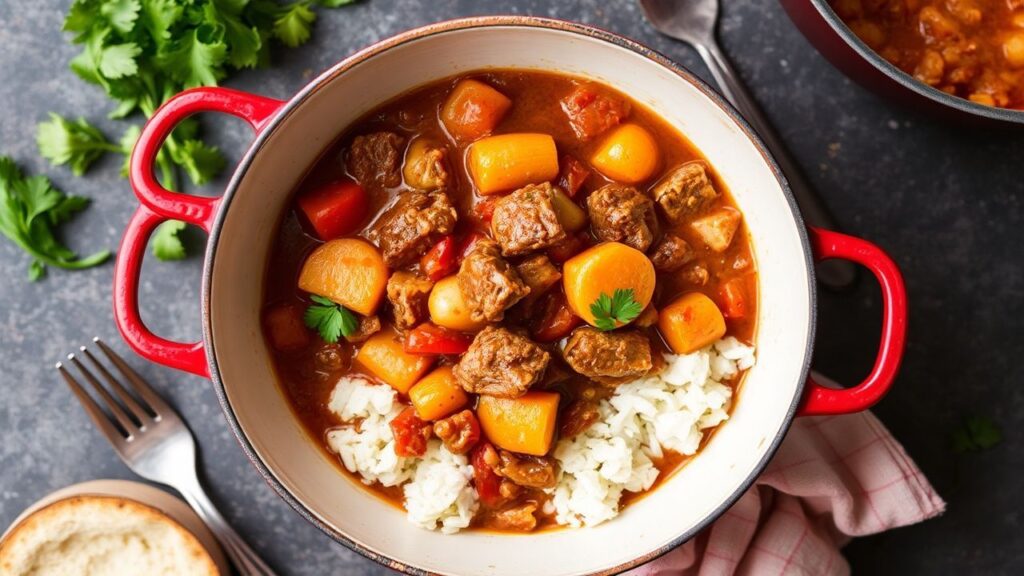
This 20-minute one-pot Hungarian goulash proves that bold comfort doesn’t require a full day in the kitchen. With paprika toasted right, beef browned properly, and a controlled simmer, you get a thick, flavorful stew fast.
When you want big flavor on a busy schedule, rely on the method: sauté, brown, simmer. Then serve hot with noodles, bread, or potatoes—and enjoy a bowl that tastes like it took longer.
See also: Hungarian goulash