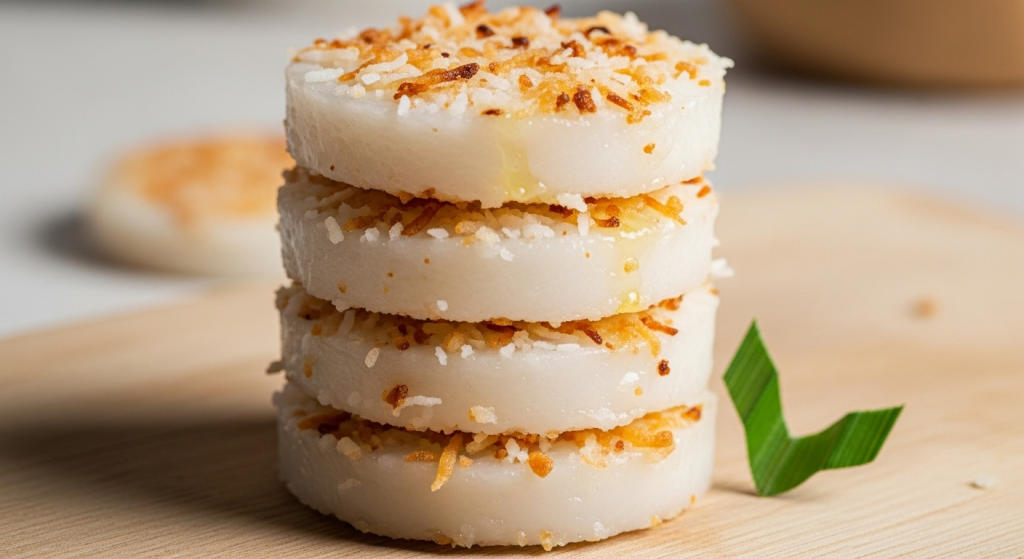

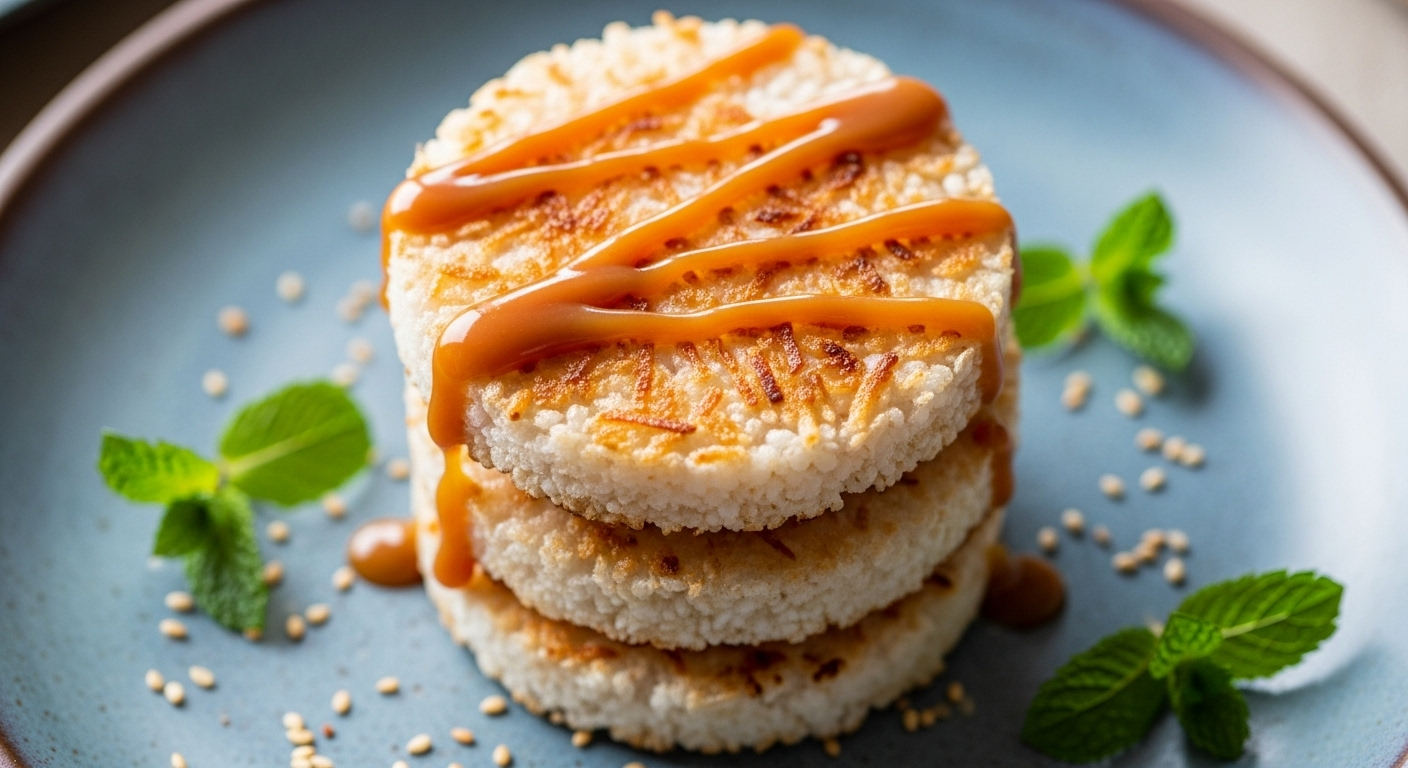
nestled within the vibrant tapestry of Filipino culinary heritage lies a beloved treat that dances gracefully between tradition and taste: sweet coconut rice cakes, known affectionately as bibingka. These golden, fragrant cakes, often steamed or baked with a luscious coconut twist, tell a story far richer than their humble ingredients suggest. From village kitchens to bustling street markets, bibingka has long been a symbol of festive gatherings and family celebrations, captivating both locals and visitors alike with its chewy texture and subtle sweetness.
In this article, we’ll explore the origins, cultural significance, and mouthwatering variations of sweet coconut rice cakes, inviting you to discover why this classic bibingka tradition continues to enchant palates around the world.
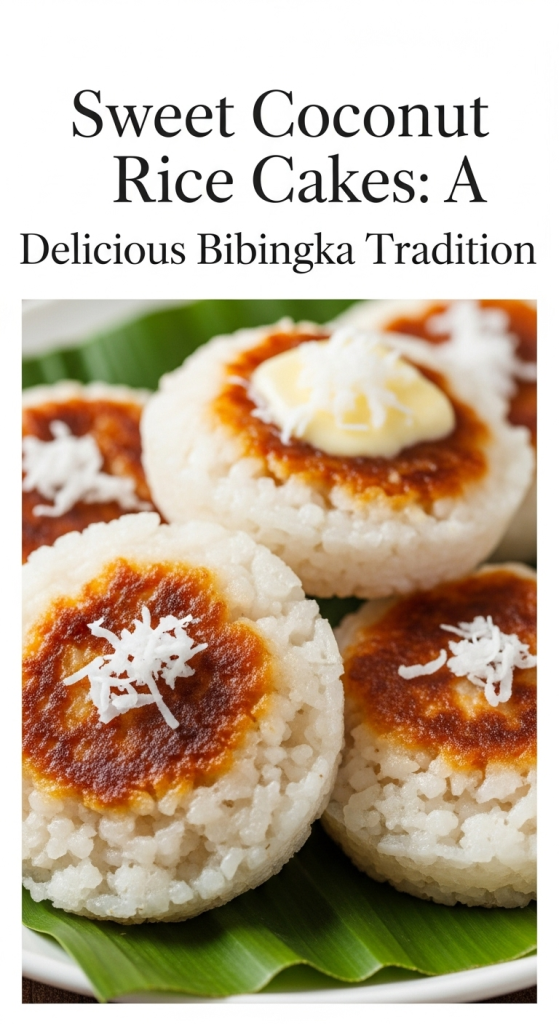
Sweet Coconut rice Cakes weave together centuries of Filipino tradition, evoking warm memories of festive gatherings and family celebrations. Originating from humble rice-growing regions, this beloved bibingka variant uses simple yet fragrant ingredients that transform glutinous rice into a soft, subtly sweet delicacy. What makes these cakes truly special is the harmonious blend of coconut milk and pandan leaves, which infuse every bite with unmistakable tropical aroma and creamy richness, an ode to the islands’ vibrant culinary heritage.
Prep and Cook Time
- Readiness: 20 minutes
- Cooking: 40 minutes
- Total: 1 hour
Yield
Makes 8 generous servings
Difficulty Level
Easy to Medium – Perfect for home cooks eager to master conventional Filipino rice desserts.
Key Ingredients That Bring Out Authentic Bibingka Flavors
- 1 ½ cups glutinous rice flour – the foundation for that chewy, melt-in-your-mouth texture
- 1 cup coconut milk (fresh or canned) – delivers creamy richness and natural sweetness
- ¾ cup granulated sugar – balances the coconut’s earthiness with a gentle sweet touch
- 2 large eggs – provide structure and a light fluffiness
- ¼ teaspoon salt – enhances all flavors harmoniously
- 2 tablespoons melted unsalted butter – for that golden crust and a subtle nutty note
- 2 pandan leaves (optional but highly recommended) – wrapped into a knot or chopped fine to infuse fragrance
- Grated fresh coconut or toasted coconut flakes – for garnish and added texture
Step-by-Step Guide to Perfectly Soft and Flavorful Rice Cakes
- Preheat your oven to 350°F (175°C). Lightly grease an 8-inch round cake pan or line it with banana leaves for a classic touch.
- In a mixing bowl, whisk together the glutinous rice flour, sugar, and salt until evenly combined.
- In a seperate bowl, beat the eggs then gradually pour in the coconut milk, stirring gently.
- Add pandan leaves to the coconut milk mixture and let it steep for 10 minutes to maximize its fragrance. Strain out the leaves before mixing with dry ingredients.
- Combine wet and dry mixtures, stirring just until smooth and thick. Avoid overmixing to keep the cake tender.
- Pour the batter into your prepared pan and drizzle the melted butter evenly over the top for an inviting golden crust.
- Bake for 35-40 minutes, or until a toothpick inserted in the centre comes out clean and the top is lightly browned.
- Allow to cool slightly before unmolding.The cake will be soft yet firm enough to slice beautifully.
- Garnish with freshly grated coconut or toasted coconut flakes to elevate the tropical essence and add delightful texture contrasts.
tips for Serving and Creative Variations to Elevate Your Bibingka Experience
Perfecting Sweet Coconut rice Cakes means knowing how to serve and personalize them:
- Classic Presentation: Serve warm with a pat of butter and a sprinkle of sugar or grated fresh coconut. A drizzle of muscovado sugar syrup adds an indulgent finish.
- Flavour Boost: Fold in finely chopped macapuno (coconut sport) or add a few sliced salted duck eggs on top for a traditional twin-flavor contrast frequently enough enjoyed in Filipino bibingka.
- Textural Twist: Incorporate finely chopped toasted cashews or pumpkin seeds into the batter for a subtle crunch.
- Vegan-Amiable: Replace eggs with aquafaba (chickpea cooking water) and use coconut oil instead of butter for a plant-based delight.
- Serving Idea: Pair with a cup of hot ginger tea or salabat to balance the sweetness and create a soothing culinary moment.
Chef’s Notes: Tips for Success
- For best aroma, use fresh coconut milk and pandan leaves sourced from Asian grocery stores or your local farmer’s market.
- If pandan is unavailable, a few drops of pandan extract provide a similar flavor.
- To avoid a dry texture, resist overbaking; start checking doneness around the 35-minute mark.
- Allow the bibingka to cool completely before slicing if you prefer cleaner cuts.
- make-ahead tip: these rice cakes keep well in an airtight container for up to 3 days and can be gently reheated in the oven or steaming basket.
| Nutrient | Per Serving |
|---|---|
| Calories | 210 kcal |
| Protein | 3 g |
| Carbohydrates | 35 g |
| Fat | 6 g |
Discover more traditional Filipino desserts in our Filipino Desserts Collection. For an in-depth history of rice-based treats worldwide, SBS Food’s Rice Desserts Guide is an excellent resource.
Q&A
Q&A: Sweet Coconut Rice Cakes: A Delicious Bibingka Tradition
Q1: What exactly are Sweet Coconut Rice Cakes?
A1: Sweet Coconut Rice cakes are a beloved variety of bibingka-a traditional Filipino rice cake. Made primarily from glutinous rice flour and infused with the creamy sweetness of coconut milk, these cakes capture the essence of Filipino festive flavors.They’re soft, slightly chewy, and have a subtle caramelized crust that makes every bite a comforting delight.
Q2: How do Sweet Coconut Rice Cakes differ from other rice cakes?
A2: Unlike some rice cakes that rely heavily on sugar or toppings, Sweet Coconut Rice cakes derive their natural sweetness and moisture from coconut milk and fresh grated coconut. This gives them a rich, aromatic quality that’s both tropical and nostalgic, embodying a perfect balance of creamy and sweet without being overpowering.
Q3: what occasions are Sweet Coconut Rice Cakes typically enjoyed during?
A3: Traditionally, bibingka is associated with Christmas celebrations and is often enjoyed during the “simbang Gabi” or dawn masses. Though, sweet Coconut Rice Cakes have transcended festive boundaries and are now savored year-round as a snack, dessert, or even a hearty breakfast treat paired with hot tea or coffee.
Q4: What ingredients make these rice cakes unique?
A4: The magic lies in their use of coconut milk, grated coconut, and glutinous rice flour. Sometimes, a hint of pandan is added for an extra layer of fragrance. The simplicity of the ingredients highlights the authentic tropical flavors, making every cake a celebration of the Philippines’ bountiful coconut harvest.
Q5: Can I make sweet Coconut Rice Cakes at home? If so, what is a basic method?
A5: Absolutely! The process is quite straightforward. Start by mixing glutinous rice flour with coconut milk and a bit of sugar until smooth. Pour the batter into banana leaf-lined molds or heatproof pans, then bake or steam until the cakes are set and lightly browned on top. Garnishing with freshly grated coconut or a brush of melted butter before serving enhances both flavor and texture.
Q6: are there any traditional customs connected to eating bibingka?
A6: Yes! Eating bibingka is often accompanied by the warmth of community and family gatherings. During Christmas, it’s customary to enjoy bibingka fresh from the horno (traditional clay oven) while chatting and sharing stories. The aroma itself is a herald of festive cheer and togetherness.
Q7: Can Sweet Coconut Rice Cakes be adapted for dietary preferences?
A7: Definitely. The cake’s core ingredients are naturally gluten-free and dairy-free, thanks to coconut milk replacing cow’s milk. For those who prefer less sweetness, sugar can be adjusted or substituted with natural sweeteners like coconut sugar or honey. Vegan versions are easy to make since no animal products are necessary.
Q8: How should Sweet Coconut Rice Cakes be stored?
A8: These rice cakes taste best fresh but can be stored in an airtight container at room temperature for up to two days. For longer storage, refrigerate them and reheat gently before serving to restore their softness and aroma. Avoid freezing as it may affect the cake’s texture.
Q9: What beverages pair well with Sweet Coconut Rice Cakes?
A9: Their creamy sweetness shines brightly when paired with simple drinks. A cup of traditional Filipino salabat (ginger tea), a fragrant jasmine tea, or even a rich hot chocolate complements the rice cake’s flavors beautifully, creating a comforting and balanced treat.
Q10: Why is Sweet Coconut Rice Cake considered a treasured tradition?
A10: Beyond its irresistible taste, Sweet Coconut Rice Cake represents more than food-it’s a symbol of cultural heritage and filipino hospitality. Each cake tells a story of community, celebration, and the enduring love for coconut-based delights that have been passed down through generations. Enjoying bibingka is a sweet way to connect with the heart of Filipino culinary traditions.
Wrapping Up
As the last bite of sweet coconut rice cake melts away,it’s clear that bibingka is more than just a dessert-it’s a heartfelt tradition woven into the fabric of festive celebrations and everyday moments alike. This delicate blend of tender rice, creamy coconut, and subtle sweetness carries stories of heritage, community, and joyful gatherings. Whether enjoyed fresh from the banana leaf or shared among loved ones during the holidays, sweet coconut rice cakes invite us to savor a piece of culture that’s as rich in flavor as it is in history.
So next time you crave a taste of something comforting and authentic, let bibingka remind you that the sweetest delights often come wrapped in tradition.