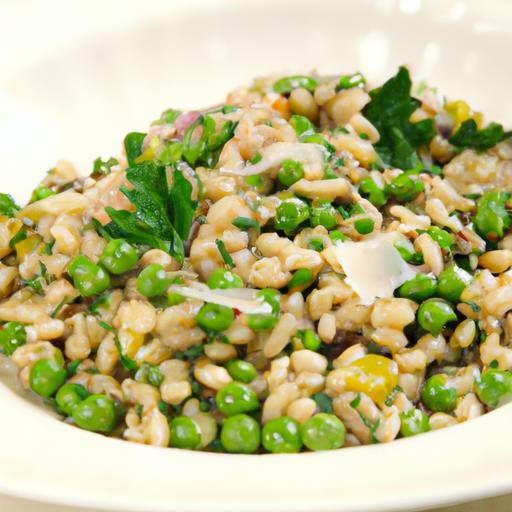

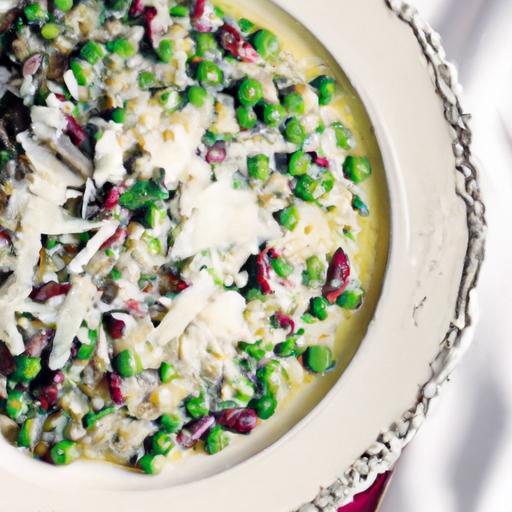
Nestled between the shimmering canals and historic palazzos of Venice lies a culinary treasure often overlooked by the casual traveler: Risi e Bisi. This humble yet harmonious dish, a luscious blend of tender peas and creamy rice, captures the very essence of Venetian springtime. More than just a simple risotto, Risi e Bisi is a celebration of seasonal bounty and centuries-old tradition, where each spoonful tells a story of the city’s rich agricultural heritage and its passionate devotion to fresh, local ingredients. Join us as we unveil the secrets behind Venice’s beloved creamy pea and rice delight, exploring its origins, preparation, and the unique flavors that make it a timeless classic.
Risi e Bisi: The Origins and Cultural Meaning of Venice’s Creamy Pea and Rice Delight
Risi e Bisi is much more than just a simple springtime risotto-it’s a cherished Venetian tradition steeped in history and conviviality. This iconic dish,celebrating fresh green peas and creamy rice,is a fragrant ode to the fertile Venetian countryside,originally made to honor St. Mark’s Day, Venice’s patron saint. Passed down thru generations,it embodies the city’s unique relationship wiht its lagoon and land,where locals prize simplicity and seasonal ingredients.
Often described as a comforting “cross between soup and risotto,” Risi e Bisi is symbolic of renewal and abundance. The use of fresh peas harvested at their peak lends the dish a vibrant green color and subtly sweet flavor that pairs beautifully with the soft al dente rice. In Venice, sharing Risi e Bisi with family and friends signals the arrival of spring and time spent together around the table, celebrating life’s simple pleasures.
Unlocking the Perfect Creamy Texture: Ingredients and Techniques
Mastering the perfect texture of Risi e Bisi requires attention to both ingredients and technique. The secret lies in choosing the right rice-traditionally Carnaroli or Vialone Nano, prized for their ability to absorb liquid while maintaining bite. Fresh shelled peas are essential; they not only provide sweetness but also release natural starches that contribute to the signature creaminess.
Start by gently sweating finely chopped onions in high-quality olive oil or a subtle vegetable stock base, creating a flavorful cushion for the rice. Toasting the rice briefly before adding broth helps to enhance its nutty undertones. Unlike typical risottos, the liquid in Risi e Bisi is added more generously, resulting in a soupy consistency that still embraces a creamy finish.
Finishing the dish with a generous spoonful of freshly grated Parmigiano-Reggiano and a knob of cold butter,stirred in off the heat,creates a luscious silkiness that coats every grain and pea. To enhance the natural sweetness, some cooks like to add a handful of freshly chopped mint or parsley just before serving, bringing a fresh herbal lift to the palate.
Prep and Cook Time
- preparation: 15 minutes
- Cooking: 40 minutes
- Total Time: 55 minutes
Yield
Serves 4 generously
Difficulty Level
Medium – Perfect for home cooks wanting to explore Venetian cuisine with rewarding results
Ingredients
- 1 ½ cups Carnaroli rice (or Vialone Nano rice for authentic texture)
- 3 cups fresh green peas, shelled
- 1 medium onion, finely chopped
- 4 cups homemade vegetable broth, kept warm
- 3 tbsp extra virgin olive oil
- 3 tbsp unsalted butter, divided
- ½ cup freshly grated Parmigiano-Reggiano cheese, plus extra for garnish
- Salt to taste
- Freshly ground black pepper to taste
- Optional: 2 tbsp fresh chopped parsley or mint
Instructions
- Prepare the base: In a large heavy-bottomed pan, heat 2 tablespoons of olive oil over medium heat. Add the finely chopped onion and sauté gently until soft and translucent, about 5 minutes. Avoid browning to keep the flavor delicate.
- Add fresh peas: Stir in the fresh peas and cook for another 3 minutes, allowing them to release their fragrance and a touch of sweetness.
- Toast the rice: Add the Carnaroli rice to the pan, stirring continually for 2-3 minutes until the grains are glossy and slightly translucent around the edges-this step seals in flavor.
- Begin adding broth: Pour in approximately 1 cup of warm vegetable broth, stirring gently. Once the rice absorbs the liquid,continue adding broth ½ cup at a time,stirring frequently. Maintain a steady simmer. This slow-liquid absorption is key to achieving that creamy,yet soupy texture.
- Simmer and stir: After about 25-30 minutes, taste the rice.It shoudl be al dente, creamy but not mushy. If needed, add more broth to adjust consistency to your preference-the dish should resemble a thick soup but with visible, tender grains.
- Finish with richness: Remove the pan from heat. Stir in the butter and grated Parmigiano-Reggiano thoroughly for a velvety finish. Season with salt and freshly ground pepper to taste.
- Optional herbs: Toss in chopped parsley or mint for an aromatic pop, enhancing the natural sweetness of the peas.
- Rest and serve: Cover the pot and let it rest for 2-3 minutes. Serve hot with extra grated cheese on top and a drizzle of high-quality olive oil.
Tips for success: Chef’s Notes
- fresh peas are non-negotiable: Frozen peas can be used in a pinch but will not impart the same vibrant sweetness or color.
- Rice choice matters: Avoid using Arborio rice, which can overcook quickly and turn mushy.
- Broth temperature: Keeping your broth warm during cooking helps maintain the temperature of the dish and ensures even cooking.
- Texture inspection: Remember that Risi e Bisi is meant to be looser than traditional risotto; the final dish should coat the back of a spoon but still be spoonable and soupy.
- Make-ahead tip: Prepare the base mixture a day ahead (peas and sautéed onions) and gently reheat with rice and broth for fresher flavor.
Pairing Risi e Bisi with Traditional Venetian Flavors
Risi e Bisi pairs brilliantly with light Venetian antipasti such as marinated artichokes, stuffed radicchio, or a fresh insalata mista. To complement the creamy sweetness, serve alongside delicate seafood like grilled sea bass or lightly dressed calamari salad. A sprinkle of lemon zest or a few twists of black pepper elevate the dish further, enhancing its delicate layers.For a beverage, sparkling water with a slice of lemon balances the richness, making the meal refreshingly harmonious.
Where to Savor Authentic Risi e Bisi in Venice today
Venice offers several gems where you can taste genuine Risi e Bisi crafted with seasonal, locally sourced ingredients. Historic trattorias in the Cannaregio and Dorsoduro districts, such as Osteria Al Giubagiati, serve the dish with proud Venetian authenticity. For a more contemporary experience, many modern Venetian chefs creatively reinterpret the recipe while honoring its roots. Exploring weekend markets near Piazza San Marco also guarantees fresh pea finds for home cooking, preserving this tradition lovingly from kitchen to table.
| Nutritional Info (per serving) | Amount |
|---|---|
| Calories | 340 kcal |
| protein | 12 g |
| Carbohydrates | 55 g |
| Fat | 7 g |

For more inspiration on Italian rice dishes, discover our Creamy Mushroom Risotto Recipe that celebrates similarly comforting textures with rich, earthy flavors.
Explore further venetian culinary traditions at Italia.it, the official travel and culture site.
Q&A
Q&A: Risi e Bisi – Venice’s Creamy pea and Rice Delight Unveiled
Q1: What exactly is Risi e Bisi?
Risi e Bisi is a traditional Venetian dish that translates to “rice and peas.” Think of it as a luscious cross between a risotto and a soup,where tender rice grains mingle with fresh green peas in a silky,flavorful broth. It’s celebrated for its creamy texture and vibrant taste that perfectly captures the essence of spring in Venice.
Q2: How did Risi e Bisi originate?
This humble yet elegant dish dates back to Renaissance Venice, frequently enough associated with festive occasions and the arrival of pea harvest season. Originally prepared for the Doge’s table, it symbolizes Venetian culinary ingenuity-transforming simple, seasonal ingredients into a luxurious comfort dish.
Q3: What ingredients are essential for making authentic Risi e Bisi?
The magic lies in simplicity: fresh peas (ideally shelling peas), Carnaroli or Arborio rice, a fragrant soffritto of onion or shallots, homemade vegetable broth, a generous knob of butter, and a sprinkle of grated Parmesan cheese. Fresh herbs like parsley or mint can add a refreshing note but aren’t mandatory.
Q4: How does Risi e Bisi differ from risotto?
While risotto is typically cooked to a perfectly creamy yet distinct-grain texture, Risi e Bisi sits somewhere between risotto and soup. The rice isn’t stirred constantly to develop creaminess; rather, it gently cooks with peas in broth until the consistency is thick, almost porridge-like, with a naturally creamy finish from the starch released during cooking.
Q5: Can Risi e Bisi be made vegan or dairy-free?
Absolutely! The key to Risi e Bisi’s creaminess is the starchy rice and fresh peas. To keep it vegan or dairy-free, replace butter with a good-quality olive oil and swap Parmesan for a sprinkle of nutritional yeast or omit it altogether. Use a rich vegetable broth to maintain depth of flavor.
Q6: When is the best time to enjoy Risi e Bisi?
Traditionally, this dish shines in spring when peas are at their sweetest and freshest. It’s the perfect seasonal comfort food-light yet satisfying-ideal for chilly evenings when you crave both nourishment and a taste of Venice’s seasonal bounty.
Q7: What makes Risi e Bisi an iconic Venetian dish?
Risi e Bisi reflects Venice’s deep connection to its lagoon and fertile mainland. It’s a celebration of local ingredients and time-honored cooking techniques, embodying the city’s blend of rustic simplicity and refined tastes. Each creamy spoonful tells a story of coastal charm and culinary heritage.
Q8: Are there any popular variations or twists on Risi e Bisi?
Some cooks add a splash of lemon zest or fresh herbs like thyme or basil for a modern twist. Others gently fold in ricotta or a dollop of mascarpone for extra creaminess. Though, the heart of the dish remains the same: rice and peas cooked with care, honoring tradition while embracing personal flavor.
Q9: How should Risi e Bisi be served?
Serve it piping hot, straight from the pot, ideally in shallow bowls that invite slow, savoring bites.Garnish simply with a bit more Parmesan or a drizzle of high-quality extra virgin olive oil.It pairs beautifully with a crisp spring salad or fresh crusty bread to soak up every last bit of creamy goodness.
Q10: Is Risi e Bisi suitable for all skill levels in the kitchen?
Yes! While it requires gentle attention and patience,Risi e Bisi doesn’t demand advanced culinary skills. Its forgiving cooking style makes it approachable for home cooks eager to explore Venetian cuisine. With fresh ingredients and a bit of love, anyone can create this creamy green treasure.
In Retrospect
As the sun sets over Venice’s labyrinthine canals, the humble Risi e Bisi emerges not just as a dish, but as a timeless celebration of seasonality, simplicity, and tradition. This creamy blend of tender peas and starchy rice embodies the Venetian spirit-unpretentious yet profoundly satisfying. whether savored in a bustling osteria or recreated in your own kitchen, Risi e Bisi invites you to taste a piece of Venice’s culinary heritage, where every spoonful tells a story of the city’s rhythms, its harvests, and its enduring love for good, honest food. So next time you crave comfort wrapped in elegance, remember this beloved Venetian classic, a tasty reminder that sometimes, the simplest ingredients create the most unforgettable flavors.