
Beneath the vibrant streetlights of Osaka’s bustling night markets, a savory aroma dances through the air-inviting locals and travelers alike to savor a beloved Japanese delicacy: takoyaki. These golden orbs, crispy on the outside and tender within, are more than just octopus-filled snacks; they are a testament to culinary tradition, technique, and regional pride. In this article, we will peel back the layers of mystery surrounding authentic japanese takoyaki, exploring its history, ingredients, and the artful methods that transform simple batter and octopus into bite-sized perfection. Whether you’re a seasoned foodie or a curious beginner, join us as we master the craft of takoyaki and uncover what truly makes these octopus balls a treasured delight across Japan and beyond.
Mastering Authentic Japanese Takoyaki begins with understanding the delicate balance of batter, the freshest octopus, and the precise technique that transforms simple ingredients into iconic, golden-brown octopus balls bursting with flavor.
prep and cook Time
- Preparation: 20 minutes
- Cooking: 15 minutes
- Total Time: 35 minutes
Yield
Approximately 24 takoyaki balls (serves 4)
Difficulty Level
Medium - a rewarding challenge for home chefs eager to master an authentic Japanese classic.
Ingredients
- 1 cup all-purpose flour, sifted
- 2 ½ cups dashi stock (preferably freshly made or high-quality instant dashi powder)
- 2 large eggs
- 1 tbsp soy sauce
- 1 tsp salt
- 100g cooked octopus, diced into ½ inch pieces
- 3 green onions, thinly sliced
- ½ cup tenkasu (tempura scraps)
- Pickled ginger (beni shoga), finely chopped, to taste
- Vegetable oil, for greasing the takoyaki pan
- Takoyaki sauce, Japanese mayonnaise, aonori (dried seaweed flakes), and bonito flakes, for topping
Instructions
- Prepare the batter: In a large bowl, whisk together the sifted flour, dashi stock, eggs, soy sauce, and salt until the batter is smooth and slightly runny. This thin batter is key to creating takoyaki’s tender,custard-like interior.
- Preheat your takoyaki pan: Place the pan over medium heat and brush each mold generously with vegetable oil to ensure crisp,golden edges.
- Pour and fill: Fill each mold about ¾ full with batter. Instantly drop one piece of diced octopus into each hole, followed by a sprinkle of tenkasu, chopped green onions, and pickled ginger.
- Cook the frist side: let the batter cook undisturbed for 2-3 minutes, allowing the bottom to crisp up while the top remains slightly wet.
- Turn the takoyaki balls: Using a skewered bamboo pick or thin skewer,gently jiggle and rotate each ball 90 degrees,letting uncooked batter flow into the mold. Continue turning every 1-2 minutes to achieve an even, spherical shape with a golden crust on all sides.
- Finish cooking: After about 10-12 minutes, the takoyaki balls should be crisp on the outside and soft inside. Remove from the pan and place on a serving plate.
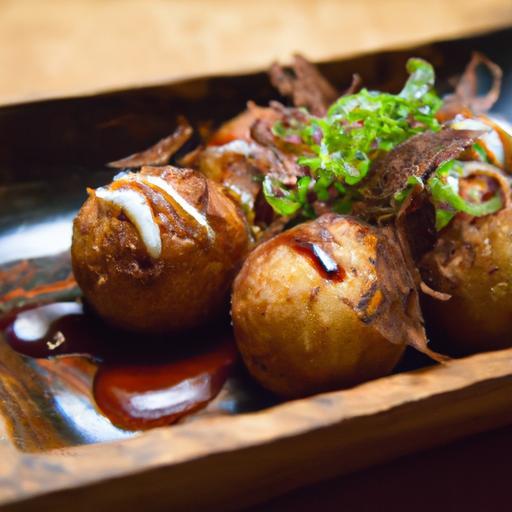
- Garnish creatively: Drizzle with takoyaki sauce and Japanese mayonnaise in a criss-cross pattern. Sprinkle generously with aonori and finish with delicate bonito flakes that dance in the heat.
Tips for Success
- Batter consistency: Aim for a pourable batter,akin to pancake batter. Too thick and your takoyaki will be dense; too thin and they may break apart.
- Choosing octopus: Fresh,tender octopus is essential. If fresh octopus isn’t available, high-quality frozen options work well after thawing, but avoid overcooking to maintain the perfect chew.
- Pan technique: Practice turning the balls gently but confidently. It’s normal for the first few to look imperfect – the art lies in seeing the batter’s edges set before flipping.
- Make-ahead: Prepare batter and toppings in advance, but cook just before serving for the best texture.
- Creative variations: Swap octopus for shrimp or vegetables for a unique twist while respecting the authentic method.
Serving Suggestions
Serve your takoyaki piping hot on a wooden platter or a conventional takoyaki plate to retain heat. Complement them with freshly grated bonito flakes that flutter over the warm takoyaki, adding umami drama. A sprinkle of aonori adds a herbal ocean aroma, while the layered drizzle of creamy Japanese mayo and tangy takoyaki sauce balances savory and sweet in every bite.For a fun interactive touch, provide toothpicks and a small bowl of soy sauce or chili mayo for dipping. Accompany with refreshing cold green tea or a citrusy yuzu soda to brighten the palate and elevate the entire experience.
| Nutritional Info (per 6 takoyaki balls) | Amount |
|---|---|
| Calories | 280 kcal |
| Protein | 15g |
| carbohydrates | 30g |
| Fat | 9g |

For deeper insight into Japanese dashi and its pivotal role, check our related guide on Ultimate Dashi Guide. To explore more about octopus culinary uses worldwide, visit the authoritative source at FAO Octopus Fact Sheet.
Q&A
Q&A: Mastering Authentic Japanese takoyaki: Octopus Balls Unveiled
Q1: What exactly is takoyaki?
A1: takoyaki is one of Japan’s most beloved street foods-golden, crispy-on-the-outside, tender-on-the-inside balls made from a savory batter and traditionally filled with diced octopus.Originating from osaka, these delightful spheres are cooked in a special molded pan and typically garnished with a symphony of toppings that dance on your palate.
Q2: why is octopus the star ingredient in takoyaki?
A2: Octopus offers a firm, slightly chewy texture that contrasts beautifully with the soft, delicate batter of the takoyaki. Its mild, oceanic flavor doesn’t overpower but instead complements the batter and toppings, creating a harmonious bite that is uniquely Japanese.
Q3: What makes authentic takoyaki batter different from regular pancake or tempura batter?
A3: Authentic takoyaki batter is lighter and thinner, often made with a mixture of wheat flour, dashi (Japanese soup stock), eggs, and water. The magic lies in dashi-it infuses the batter with umami,giving each takoyaki that unmistakable depth of flavor that transports you straight to bustling Japanese street markets.
Q4: What’s the secret technique to cooking perfect takoyaki?
A4: The perfect takoyaki master skill involves continuously turning the balls as they cook in the special cast-iron takoyaki pan. this rolling motion (done with skewers or chopsticks) ensures an even, golden-brown crust all around while keeping the inside soft and custardy. Patience and rhythm are the key!
Q5: Which toppings truly elevate the flavor of takoyaki?
A5: The classics include a drizzle of takoyaki sauce (a tangy-sweet glaze reminiscent of Worcestershire but uniquely Japanese), a swirl of creamy Japanese mayonnaise, a sprinkle of flaky bonito flakes (katsuobushi) that dance from the heat, and a dusting of powdered green seaweed (aonori).These layers create a contrast of textures and flavors that complete the takoyaki experience.
Q6: Can I make takoyaki without a special pan?
A6: While it’s possible to mimic takoyaki in a regular frying pan, the iconic round shape and even cooking come from the distinctive takoyaki pan’s half-spherical molds. For an authentic experience, investing in or borrowing a takoyaki pan is highly recommended-think of it as your culinary passport to Osaka’s vibrant street food scene.
Q7: Are there creative variations of takoyaki beyond octopus?
A7: yes! While octopus reigns supreme, creative cooks sometimes experiment with fillings like shrimp, cheese, or even vegetables such as shiitake mushrooms or green onions. However, sticking to octopus keeps the dish rooted in its authentic traditions and flavors.
Q8: How do I ensure the octopus pieces inside remain tender and not rubbery?
A8: Using pre-cooked, bite-sized octopus pieces is best. If starting from raw octopus, simmer it gently to tenderize without overcooking. Including fresh green onions or pickled ginger inside the batter also adds moisture and texture contrast, balancing the octopus’ chewiness.
Q9: What’s the cultural significance of takoyaki in Japan?
A9: Takoyaki symbolizes conviviality and casual enjoyment. Often enjoyed at festivals, street fairs, or social gatherings, it’s a dish that brings people together-inviting you to share warm bites hot off the pan and create joyful memories, one ball at a time.
Q10: Any tips for beginners attempting takoyaki for the first time?
A10: Start by prepping all your ingredients within easy reach-octopus, batter, toppings, and pan. Keep the pan well-oiled to prevent sticking. practice the flipping technique slowly; it’s less about speed and more about gentle turns. And remember, imperfection is part of the fun-each takoyaki expert started with lopsided balls before mastering the art!
feel ready to embark on your takoyaki adventure? With a pinch of technique, a dash of patience, and the true taste of octopus, you’re set to unveil the magic nestled in every authentic Japanese octopus ball.
In Summary
As you’ve discovered, mastering authentic Japanese takoyaki is more than just following a recipe-it’s an art form steeped in tradition, technique, and a touch of culinary magic. From the perfectly tender octopus pieces to the golden, crispy exterior, every step brings you closer to savoring a beloved street food classic in your own kitchen. Whether you’re a seasoned chef or a curious foodie, embracing the nuances of takoyaki-making opens a flavorful window into Japan’s vibrant food culture. So grab your takoyaki pan, summon your inner chef, and let those octopus balls unveil their irresistible charm bite by bite. Your journey to authentic deliciousness has only just begun.