
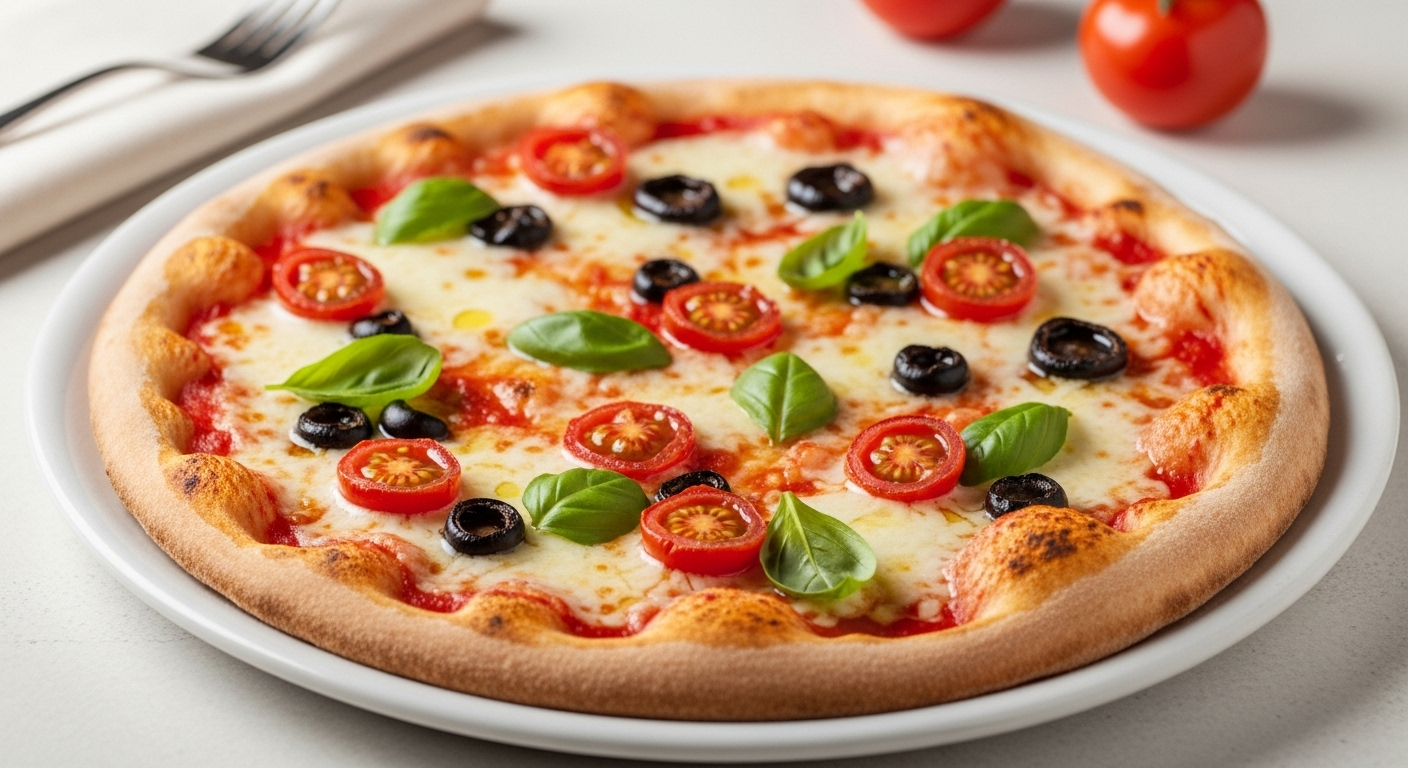
ThereS a certain magic in simplicity-few dishes embody this truth quite like the Margherita pizza.Born from the heart of Naples, this classic pie transcends mere sustenance to become an experience steeped in tradition, flavor, and artistry. Crafting the perfect authentic Margherita pizza is not just about tossing dough or layering toppings; it’s a delicate dance of quality ingredients, precise techniques, and a deep respect for heritage.
In this article, we’ll explore how to recreate that quintessential Neapolitan charm in your own kitchen, transforming humble ingredients into a vibrant celebration of Italy’s culinary soul. Whether you’re a seasoned pizzaiolo or a curious home cook, prepare to unlock the secrets behind every blistered crust, every tangy burst of San Marzano tomato, and every creamy stretch of mozzarella that defines the ultimate margherita experience.
Selecting the Finest Ingredients for True Neapolitan Flavor
Crafting the Perfect Authentic Margherita Pizza Experience begins with choosing ingredients that honor the rich culinary heritage of Naples. True Neapolitan pizza relies on a few simple, extraordinary components-each playing a starring role in delivering that iconic balance of texture and flavor.
Start with Italian “00” flour, prized for its finely milled texture and high protein content, which yields a tender yet elastic dough. For the sauce, san Marzano tomatoes grown in volcanic soil near Mount Vesuvius are non-negotiable for their natural sweetness and low acidity, creating a luminous, vibrant base. Fresh buffalo mozzarella, especially from Campania, melts gloriously and imparts milky richness. a drizzle of extra virgin olive oil with grassy notes elevates the entire pie. The freshness and origin of these ingredients form the cornerstone of an authentic Margherita sensation.
Mastering the Art of Dough Readiness and Perfect fermentation
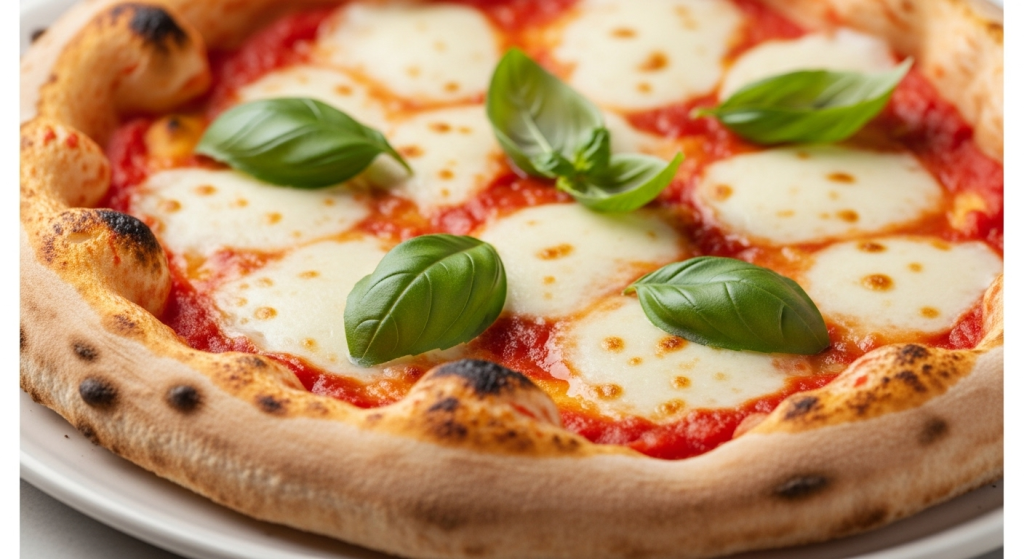
The heart of achieving Crafting the Perfect Authentic Margherita Pizza Experience lies in dough mastery. Begin by gently dissolving yeast in lukewarm water, then incorporate your fine sifted flour and a pinch of sea salt. Use your hands to knead patiently; the dough should become smooth, elastic, and just slightly tacky-this typically takes 10 minutes.
Then comes the secret: a slow, cold fermentation in the refrigerator for 24 to 48 hours.This process develops complex flavors and the delicate chewy texture that sets Neapolitan dough apart. Bring the dough back to room temperature before shaping to allow it to stretch easily without tearing.
Achieving the Ideal Sauce Balance with Fresh San Marzano Tomatoes
The sauce is the soul in Crafting the Perfect Authentic Margherita Pizza Experience. Use whole peeled San Marzano tomatoes-don’t cook or strain them. crush tomatoes gently by hand or with a fork to keep that fresh, lively texture. Add a pinch of sea salt and a drizzle of high-quality olive oil. Avoid adding garlic, oregano, or sugar; simplicity lets the natural sweetness and acidity shine through.
This vibrant sauce, when paired with creamy mozzarella, creates a fresh and memorable flavor harmony, essential for that genuine Neapolitan bite.
Baking Techniques for a Crispy Crust and Melted Mozzarella Bliss
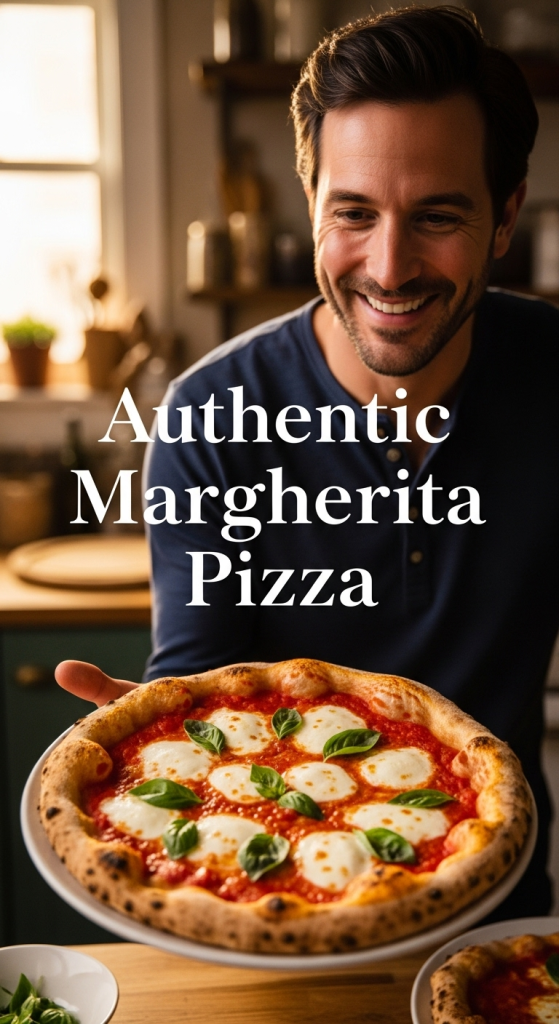
To perfect the crust and meld the cheese beautifully, your oven setup matters. If possible, use a pizza stone or steel preheated for at least 45 minutes at the highest temperature your oven can safely handle-ideally around 500°F (260°C). This intense heat mimics the traditional wood-fired ovens of Naples, producing those prized leopard spots and an airy, blistered crust.
Stretch the dough to roughly 10 inches, leaving a thick rim to puff beautifully. Spread the sauce sparingly to avoid sogginess, then tear fresh buffalo mozzarella into chunks and scatter evenly. Bake quickly-usually 7-10 minutes-until the crust crisps and the mozzarella bubbles with golden patches of gooey bliss.
once out of the oven, a finish of fresh basil leaves and a drizzle of extra virgin olive oil adds aroma and depth, completing the authentic margherita journey.
Prep and Cook Time
- Prep Time: 25 minutes
- Fermentation Time: 24-48 hours (inactive)
- Cook Time: 7-10 minutes
Yield
Serves 2-3 people (1 large pizza or 2 smaller 10-inch pizzas)
Difficulty Level
Medium – Requires patience and careful temperature control but rewarding for all home pizza artisans.
Ingredients
- 500g Italian 00 flour, sifted
- 325ml lukewarm water (approx. 75°F/24°C)
- 2 tsp fine sea salt
- 1 tsp active dry yeast
- 400g San Marzano whole peeled tomatoes, crushed by hand
- 200g fresh buffalo mozzarella, torn into small chunks
- Extra virgin olive oil, for drizzling
- Fresh basil leaves, handful for garnish
Instructions
- Activate the yeast: In a small bowl, dissolve yeast in lukewarm water and let it sit for 5 minutes until foamy.
- Make the dough: In a large bowl, combine the 00 flour and salt. Slowly add the yeast water mixture, stirring until the dough starts to come together.
- Knead: Transfer to a clean surface and knead by hand for 8-10 minutes until the dough is smooth, elastic, and slightly tacky. Add a sprinkle of flour if sticky but avoid over-flouring.
- First rise: Shape dough into a ball, place it in a lightly oiled bowl, cover with cling film, and refrigerate for 24 to 48 hours to ferment slowly and develop flavor.
- Prepare sauce: While dough ferments, crush san Marzano tomatoes gently by hand with sea salt and a splash of extra virgin olive oil-do not cook or season further.
- Bring dough to room temperature: About 2 hours before baking,remove dough from fridge to warm and become pliable.
- Preheat oven: Place a pizza stone or steel on the middle rack; preheat oven to its max temperature (~500°F/260°C) for at least 45 minutes.
- Shape dough: Gently stretch the dough into a 10-inch circle, forming a thicker rim. Avoid using a rolling pin to keep air bubbles intact.
- Assemble pizza: spread a thin, even layer of sauce over the dough, leaving the rim free. Scatter torn buffalo mozzarella evenly.
- Bake: Slide pizza onto hot stone and bake for 7-10 minutes, until crust puffs, develops leopard spotting, and cheese bubbles golden.
- finish: Remove from oven, immediately top with fresh basil leaves and a drizzle of extra virgin olive oil for vibrant aroma and flavor.
- Serve: Slice with a sharp pizza cutter and enjoy while hot, savoring the harmony of crust, sauce, and cheese.
Chef’s Notes & Tips for Success
- Flour choice: If 00 flour is unavailable, substitute with all-purpose flour but expect a slightly different texture.
- Mozzarella: Drain fresh mozzarella very well to prevent watery pizza; pat dry with paper towels.
- Dough starter: For advanced bakers, consider a poolish or biga starter to deepen flavor complexity.
- Fermentation time: Longer fridge fermentation enhances taste but plan accordingly to avoid overproofing.
- Oven setup: For gas or electric ovens without stones, use an inverted heavy baking sheet preheated similarly.
- Make-ahead sauce: Keep sauce refrigerated up to 2 days and stir just before use to revive fresh texture.
Serving Suggestions
Present your pizza on a rustic wooden peel or marble slab for an authentic touch.Garnish with extra fresh basil leaves just before slicing and a sprinkling of flaky sea salt for heightened flavor contrasts.Pair with a chilled sparkling water or a lemon-infused soda to cleanse your palate. For a light appetizer, accompany with a simple arugula salad dressed with olive oil, lemon, and shaved Parmesan.
| Nutrient | Per Serving |
|---|---|
| Calories | 560 kcal |
| protein | 22 g |
| Carbohydrates | 70 g |
| Fat | 18 g |
For further inspiration, explore our classic Italian Pasta Recipes to complement your meal. Learn more about the history of San Marzano tomatoes from the San Marzano Tomato Consortium.
Q&A
Q&A: Crafting the Perfect Authentic Margherita Pizza Experience
Q1: What makes a Margherita pizza truly authentic?
A1: An authentic margherita pizza is a celebration of simplicity and quality. It features a thin, hand-stretched Neapolitan-style crust, fresh San Marzano tomatoes, creamy buffalo mozzarella, fragrant fresh basil leaves, a drizzle of extra-virgin olive oil, and a pinch of sea salt. Every ingredient should shine on its own, creating a harmonious balance that honors the pizza’s humble origins.
Q2: Why is the dough so important in a Margherita pizza?
A2: The dough is the foundation of any great Margherita. It needs to be airy, slightly chewy, and perfectly charred on the edges.Achieving this means using high-protein flour, allowing ample time for slow fermentation (at least 24 hours), and mastering the art of hand stretching. The dough’s texture and flavor set the stage for the toppings to truly sparkle.
Q3: Can I use any tomatoes for the sauce?
A3: For an authentic Margherita, San marzano tomatoes are the gold standard. Grown in the volcanic soil near Mount Vesuvius, they bring a natural sweetness and low acidity that’s hard to beat. Using them crushed by hand ensures a fresh, vibrant sauce with a silky texture that coats the dough without weighing it down.
Q4: How should the mozzarella be handled?
A4: Fresh buffalo mozzarella is key.It should be torn by hand into small pieces rather than sliced, allowing melted pockets of creamy goodness to spread unevenly across the pizza. Drain excess moisture before use to avoid sogginess, but resist the urge to dry it completely-moisture is part of the cheese’s richness and character.
Q5: What role does basil play in the flavor profile?
A5: Basil adds a fresh, peppery brightness that cuts through the richness of mozzarella and tomato. It’s best added in whole leaves after the pizza is baked, so its aroma stays vibrant and its flavor remains bright. wilted or overcooked basil loses its magic, so keep it fresh and fragrant.
Q6: How hot should the oven be for baking a perfect Margherita?
A6: Traditional Neapolitan-style pizza demands a blistering hot oven-ideally around 850°F (450°C). This intense heat cooks the pizza in just 60-90 seconds, creating a charred, leopard-spotted crust with a soft, tender crumb inside. A home oven may not reach these temperatures, but a pizza stone or steel, preheated for an hour at the highest setting, can help replicate the effect.
Q7: Are there any special techniques to achieve the iconic crust?
A7: Absolutely. Beyond dough quality and heat, quick hand tossing or stretching helps create an even, thin base with a slightly puffed edge.When transferred to the oven, the heat causes the outer ring to puff up and blister perfectly. Avoid using a rolling pin, which compresses the dough and loses that airy texture.
Q8: Can I customize my Margherita while keeping it authentic?
A8: Authenticity thrives on simplicity, but small variations are acceptable if they respect the spirit. As an example, experimenting with different high-quality olive oils or adding a sprinkle of sea salt before baking can enhance flavor. However, adding extra toppings or deviating from the classic ingredients shifts the pizza away from the traditional Margherita identity.
Q9: What are common mistakes to avoid when making this pizza?
A9: Overloading the pizza with sauce or cheese is a common pitfall-it masks the delicate balance and soggifies the crust. Using cold or overly wet mozzarella dampens the dough. Insufficient oven heat results in a chewy, pale crust rather than a crisp, leopard-spotted one. skipping the resting time for the dough often leads to poor texture and flavor.
Q10: How can I best serve a Margherita pizza for an unforgettable experience?
A10: Serve it piping hot, straight from the oven to the table, ideally on a wooden peel or pizza stone to retain heat. Pair with fresh salads or light vegetable side dishes to keep the meal vibrant and balanced. Enjoy each bite slowly,appreciating the synergy of fresh ingredients and time-honored technique that makes Margherita pizza a timeless masterpiece.
The Way Forward
As the final notes of your oven-fired melody fade and the last bite of your Margherita pizza lingers on the palate, you’ve not just crafted a dish-you’ve embraced a timeless tradition. This isn’t merely about flour, tomatoes, and mozzarella; it’s a celebration of simplicity elevated by passion, quality, and technique. By honoring each step, from selecting the ripest San Marzano tomatoes to achieving that signature blistered crust, you’ve unlocked an authentic experience that transports you straight to the heart of naples.
So next time you gather around the table, remember: crafting the perfect Margherita pizza is not just a recipe-it’s a delicious journey that invites you to savor history, craft, and pure, unadulterated flavor. Buon appetito!