

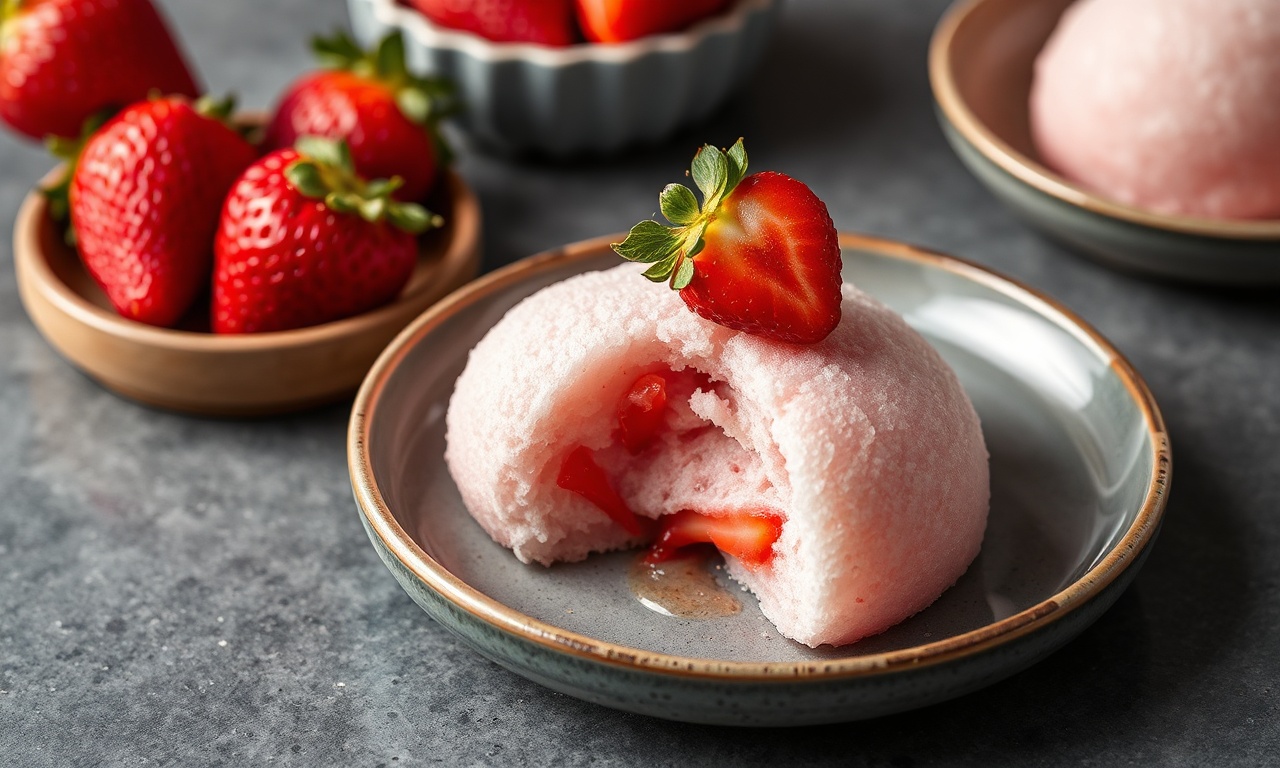
In the vibrant world of Japanese confections, few treats capture the perfect harmony of tradition and innovation quite like Strawberry Mochi. This delightful dessert marries the chewy, subtly sweet texture of glutinous rice cake with the fresh, juicy burst of ripe strawberries, creating a sensory experience that’s as enchanting as it is flavorful.
- The Origin and Cultural Significance of Strawberry Mochi
- Strawberry Mochi: Prep and Cook Time
- Yield
- Difficulty Level
- Selecting Fresh Strawberries and Quality Mochi Ingredients
- Innovative Twists to Elevate Your Strawberry Mochi Experience
- Ingredients
- Instructions
- Tips for Success
- Serving Suggestions
- Q&A
- The Way Forward
Rooted in centuries-old mochi-making customs, yet embraced by modern palates, strawberry mochi stands as proof of how cultural heritage can evolve to satisfy contemporary cravings. Join us as we explore the history, craftsmanship, and irresistible charm behind this sweet tradition that continues to captivate taste buds around the globe.
The Origin and Cultural Significance of Strawberry Mochi
Strawberry Mochi stands as a delightful fusion where customary Japanese craftsmanship meets the vibrant, fresh burst of fruit. This beloved sweet treat traces its roots back to Japan’s longstanding mochi culture, where sticky rice cakes symbolize good fortune and celebration. Mochi itself has been a staple in Japanese festivities for centuries, frequently enjoyed during New Year’s and other family gatherings to evoke happiness and unity.
The addition of strawberries, a relatively recent adaptation, brings a refreshing, tangy twist that excites palates worldwide. The hallmark of strawberry mochi lies in its balance between the chewy, glutinous texture of mochi and the juicy sweetness of the fruit. This marriage reflects Japan’s culinary philosophy of harmonizing natural flavors and textures, making each bite a multi-sensory experience that is both nostalgic and novel. For more on the cultural context of Japanese sweets, explore the history of wagashi, which includes mochi.
In the West, strawberry mochi has quickly risen in popularity, not only as a dessert but as an emblem of cross-cultural culinary curiosity. It is more than a sweet snack; it’s an edible story of tradition transformed by seasonal bounty, inspiring food enthusiasts to explore mochi’s versatility beyond its classic rice cake form.
Strawberry Mochi: Prep and Cook Time
- Preparation: 20 minutes
- Cooking: 15 minutes
- Total Time: 35 minutes
Yield
Makes approximately 12 pieces (serving size: 1-2 pieces per person)
Difficulty Level
Easy to Medium – Ideal for beginners with some attention to technique, particularly in shaping mochi.
Selecting Fresh Strawberries and Quality Mochi Ingredients
Choosing perfectly ripe strawberries is paramount to the success of this Strawberry Mochi recipe. Look for berries that are luminous red, plump, and fragrant; these qualities ensure the juiciest, sweetest centers for your mochi. Avoid strawberries with white tips or dull skin, as these indicate underripe fruit. For the mochi component, high-quality sweet rice flour (mochiko) and a blend of glutinous rice flour provide the ideal chewy texture. Additionally, using pure granulated sugar balances the subtle rice flavor with gentle sweetness.
Innovative Twists to Elevate Your Strawberry Mochi Experience
While classic strawberry mochi charms with simplicity, several creative variations can elevate your experience. Try incorporating a layer of white bean paste (shiro-an) or smooth sweetened red bean paste (anko) inside for an earthy sweetness contrast. Alternatively, dust the finished mochi with matcha powder for an elegant bitterness that complements the fruit. For a playful modern approach, serve frozen strawberry mochi as a refreshing summer treat or drizzle with a nutty black sesame sauce to deepen the flavor profile.
Ingredients
- 1 cup sweet rice flour (mochiko)
- 1/4 cup glutinous rice flour
- 1/2 cup granulated sugar
- 3/4 cup water, room temperature
- 12 fresh strawberries, washed and hulled
- 1/4 cup potato starch or cornstarch, for dusting
- (Optional) 1/3 cup sweetened red bean paste (anko) or white bean paste
Instructions
- Prepare the strawberries: Pat dry and carefully remove stems and leaves without damaging the berry shape. If using anko, wrap a small amount (about 1 teaspoon) around each strawberry, covering it evenly.
- Mix the mochi dough: In a microwave-safe bowl, combine the sweet rice flour, glutinous rice flour, and sugar. Slowly add water, stirring until the mixture is smooth with no lumps.
- Cook the mochi: Microwave the batter on high for 2 minutes. Stir thoroughly, then microwave again for 1 minute. Stir again, and microwave for an additional 30 seconds until the dough is sticky, thick, and translucent.
- Prepare your workspace: Generously dust a clean surface with potato starch to prevent sticking. Also, lightly dust your hands to make handling easy.
- Shape the mochi: Transfer the warm mochi dough to the dusted surface. Divide it into 12 equal portions using a wet knife or spatula. Flatten each piece with your fingers into a circle about 3 inches wide.
- Encapsulate the strawberry: Place a strawberry (wrapped or unwrapped) in the center of each dough circle. Carefully pinch the edges together to seal, gently rolling it in your palms to form a smooth ball. Be sure to seal completely to avoid gaps.
- Final touch: Dust off any excess starch, and arrange the strawberry mochi on a serving plate lined with parchment to prevent sticking.
- Chill and serve: Let the mochi cool at room temperature or refrigerate for 15 minutes before serving to enhance the chewy texture.
Tips for Success
- Work quickly: Mochi dough is easiest to shape when warm; it firms up and becomes less pliable as it cools.
- Use starch liberally: Prevent sticking but avoid overuse, as excess starch can affect the mochi’s taste and mouthfeel.
- Substitution idea: For a dairy-free option, swap any fillings for a vegan-amiable sweet paste.
- Storage: Consume fresh within 1 day, or wrap tightly and refrigerate for up to 2 days. Mochi texture may slightly harden; steam briefly before serving to restore softness.
- Freezing: Freeze shaped mochi individually on parchment. Thaw at room temperature before eating for a fun icy twist.
Serving Suggestions
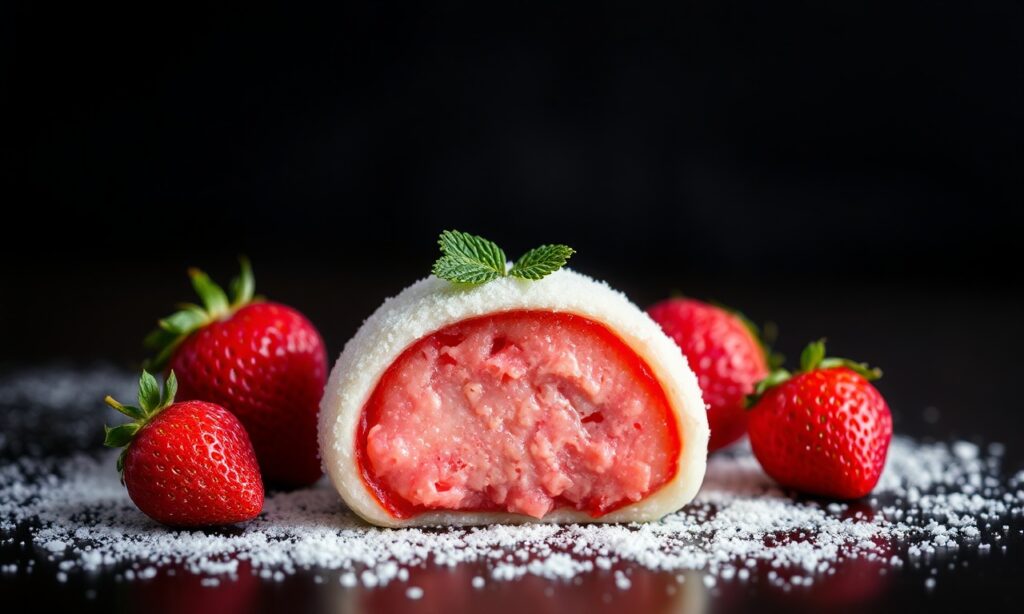
Present strawberry mochi on a delicate ceramic plate or bamboo leaf for an authentic touch. Garnish with fresh mint leaves and a light dusting of sifted matcha powder or toasted sesame seeds to highlight flavor contrasts. Pair with a cup of Japanese green tea to cleanse the palate and celebrate this artisan confection.
| Nutrient | Per Piece (Approx.) |
|---|---|
| Calories | 90 |
| Protein | 1 g |
| Carbohydrates | 22 g |
| Fat | 0.2 g |
For more recipes that celebrate traditional sweets with a fresh twist, check out our Japanese Desserts Guide.
Q&A
Q&A: The Best Strawberry Mochi – Sweet Tradition Meets Fruity Delight
Q1: What exactly is strawberry mochi?
A1: Strawberry mochi is a delightful Japanese confection where a luscious strawberry is wrapped in sweet red bean paste and encased in a soft, chewy mochi shell. This fusion of fresh fruit and traditional mochi creates a perfect bite-sized treat that balances sweetness with a hint of tartness.
Q2: What makes strawberry mochi different from regular mochi?
A2: While traditional mochi typically features sweet fillings like red bean paste or matcha cream, strawberry mochi incorporates a fresh, juicy strawberry at its core. This fresh fruit center adds a refreshing burst of flavor and a vibrant contrast to the chewy, subtly sweet mochi exterior.
Q3: Where did strawberry mochi originate?
A3: Strawberry mochi, known as ichigo daifuku in Japan, originated as a seasonal delight enjoyed during springtime when strawberries are at their sweetest. It embodies the Japanese love for combining fresh, seasonal ingredients with age-old confectionery techniques.
Q4: How is strawberry mochi traditionally made?
A4: To make strawberry mochi, fresh strawberries are first cleaned and hulled. They’re then wrapped in a layer of sweet red bean paste to balance the fruit’s tartness. This bundle is encased in a thin, stretchy layer of mochi dough made from glutinous rice flour and sugar, resulting in a tender, chewy outer shell.
Q5: Can strawberry mochi be made with other fillings besides red bean paste?
A5: Absolutely! While red bean paste is classic, creative variations include white bean paste, matcha-flavored cream, or even sweet custard. These alternatives offer unique flavor twists while still highlighting the juicy strawberry at the center.
Q6: What occasions are perfect for serving strawberry mochi?
A6: Strawberry mochi is a beloved treat during spring festivals, tea ceremonies, and special celebrations like Hinamatsuri (Girl’s Day) in Japan. Its fresh and festive appearance also makes it a charming addition to any dessert table or afternoon tea gathering.
Q7: Is strawberry mochi challenging to make at home?
A7: With a little practice, making strawberry mochi at home is quite manageable. The main challenge is working quickly with the mochi dough before it cools and hardens. Many home cooks find joy in the crafting process, enjoying both the hands-on technique and the delicious reward.
Q8: How should strawberry mochi be stored to maintain freshness?
A8: Because strawberry mochi contains fresh fruit, it’s best enjoyed the day it’s made. If storing is necessary, keep it in an airtight container in the refrigerator for up to one day. To enjoy the best texture, bring it to room temperature before eating.
Q9: Does strawberry mochi have any cultural significance?
A9: Beyond its tasty appeal, strawberry mochi symbolizes the harmony of nature and tradition—a celebration of seasonal ingredients within the timeless craft of Japanese sweets. It reflects an appreciation for freshness, subtlety, and the art of craftsmanship in Japanese culture.
Q10: Can strawberry mochi be enjoyed by people with dietary restrictions?
A10: Strawberry mochi is naturally gluten-free due to its use of glutinous rice flour, and it contains no dairy or eggs, making it suitable for many dietary preferences. However, it’s always wise to check specific ingredient lists if you have allergies or other dietary needs.
The Way Forward
As we savor the delicate chewiness of Strawberry Mochi, we’re reminded that this humble treat is more than just a dessert—it’s a bridge between tradition and innovation, a delightful fusion of culture and flavor. Whether enjoyed during festive celebrations or as an everyday indulgence, strawberry mochi invites us to experience the sweet harmony of soft rice cake and juicy fruit, wrapped in centuries of history. So next time you bite into this chewy, fruity delight, remember you’re partaking in a story that’s as rich and layered as the mochi itself—where sweet tradition meets fresh, vibrant joy.
See also: Strawberry Mochi