
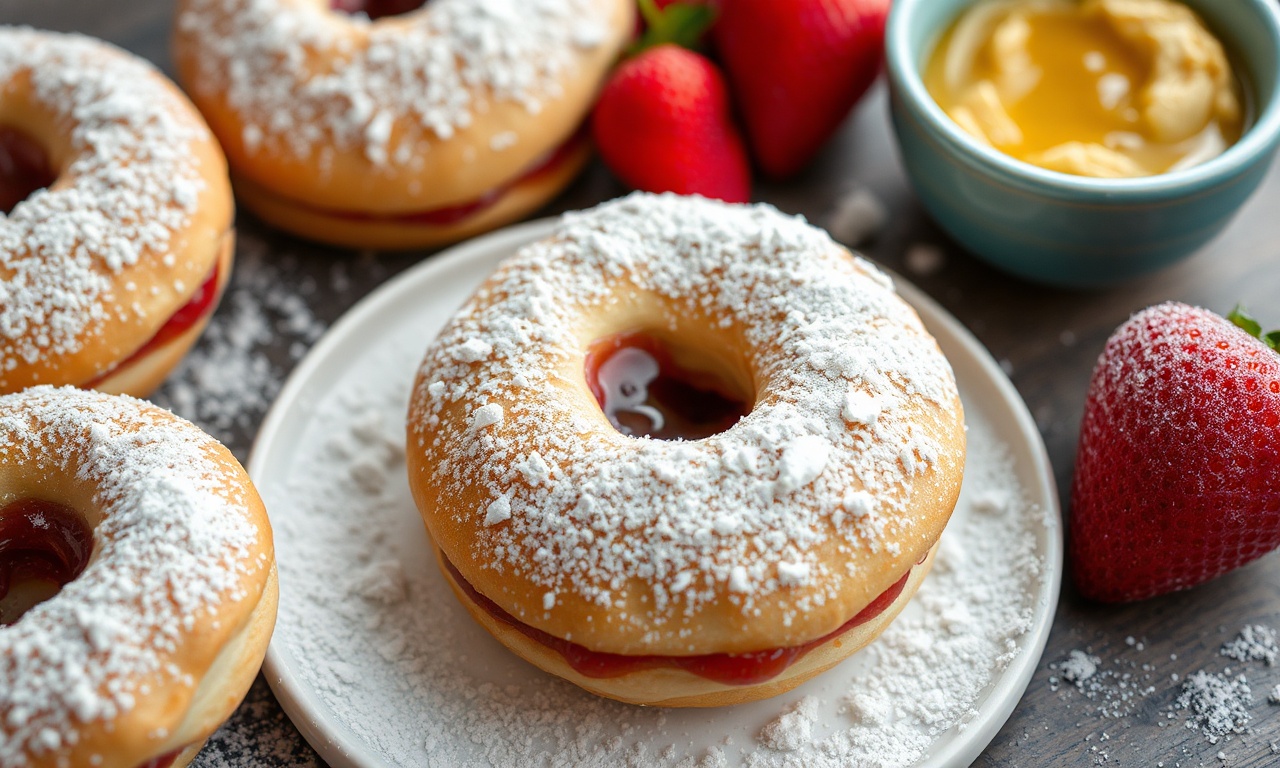
In the bustling bakeries of Berlin, a delightful treasure awaits those with a sweet tooth: the Berliner Pfannkuchen. These charming jam-filled pastries, frequently enough simply called “berliners,” carry with them a rich history wrapped in soft, pillowy dough and an irresistible burst of fruit preserves. Beyond their sugar-dusted exterior lies a story of tradition, craftsmanship, and cultural celebration that has made them a beloved treat not just in Germany, but around the world. Join us as we unravel the Perfect Homemade Berliner Pfannkuchen, exploring their origins, variations, and the special places they hold in hearts and holiday tables alike.
The Perfect Homemade Berliner pfannkuchen unlock a timeless German treat steeped in rich origins and culinary tradition. These luscious, jam-filled doughnuts have journeyed from the bustling streets of Berlin to hearts worldwide, celebrated for their soft, airy crumb and irresistible fruity core. My own first bite was beneath the shimmering lights of a Christmas market, where the aroma of freshly fried dough mingled with the festive air – a moment that transformed simple ingredients into a magical experience.
Perfect Homemade: Prep and Cook Time
- Preparation: 40 minutes (including resting of dough)
- Cooking: 15 minutes
- Total Time: 55 minutes
Yield
Makes 12 perfectly pillowy berliner Pfannkuchen
Difficulty Level
When it comes to Perfect Homemade, Medium – Ideal for home bakers ready to master dough handling and filling finesse
Ingredients
- 3 ½ cups all-purpose flour, sifted
- ⅓ cup granulated sugar
- 1 packet active dry yeast (2 ¼ tsp)
- 1 cup warm whole milk (110°F/43°C)
- 3 large egg yolks, room temperature
- ⅓ cup unsalted butter, melted and cooled
- 1 tsp vanilla extract
- 1 tsp fresh lemon zest
- 1 tsp fine sea salt
- Vegetable oil for frying (about 4 cups)
- 1 ½ cups classic or exotic jam (see below for selections)
- Powdered sugar for dusting
Mastering the Art of the Perfect Jam Filling for Your Perfect Homemade Berliner
Central to savoring the Perfect Homemade Berliner Pfannkuchen is the jam – its texture, flavor, and authenticity bring this pastry alive. Classic choices like luscious raspberry or smooth apricot impart traditional warmth, while adventurous selections such as tangy passionfruit, spiced plum, or fragrant blackcurrant elevate the treat to a gourmet delight. Always opt for high-quality, thick preserves, avoiding watery jams to ensure a clean, even spread inside without sogginess.
Instructions
- Activate the yeast: In a small bowl, whisk the yeast with warm milk and a pinch of sugar. Let it bloom until foamy, about 5-7 minutes.
- Prepare the dough: In a large mixing bowl, combine sifted flour, sugar, and salt. Create a well in the center and add the egg yolks, melted butter, vanilla extract, lemon zest, and the activated yeast mixture.
- Knead the dough: Using a stand mixer with a dough hook or by hand, knead the dough on a lightly floured surface until smooth, elastic, and slightly tacky—roughly 8-10 minutes.
- First rise: Place dough in an oiled bowl, cover with a clean towel or plastic wrap, and let it rise in a warm spot until doubled in size, about 1 to 1 ½ hours.
- Shape the dough: Punch down the dough gently and roll it out to about ½ inch thickness. Use a round cutter (3-4 inches diameter) to cut out circles.
- Second rise: Arrange dough circles on a parchment-lined tray, cover, and let rise for another 30 minutes until puffy.
- Heat the oil: In a deep pot or heavy skillet, heat vegetable oil to 350°F (175°C). Maintain temperature carefully for even frying.
- Fry until golden: Fry doughnuts in batches, about 2 minutes per side, turning once until golden brown and puffed. Avoid overcrowding to maintain oil temperature.
- Drain and cool: Remove with a slotted spoon onto paper towels to absorb excess oil.
- Fill with jam: Using a piping bag fitted with a small round tip, inject about 1-2 teaspoons of jam into the side of each Berliner, distributing filling evenly.
- Finish: Generously dust with powdered sugar for that classic, snow-kissed appearance.
Why Perfect Homemade Matters: Tips for Achieving the Ideal Texture and Presentation
In the context of Perfect Homemade, The signature Berliner pfannkuchen has a delicate exterior with a light, fluffy interior. Achieve this by resisting the urge to over-flour during kneading – a slightly sticky dough yields the best crumb. Maintain oil temperature to avoid greasy or undercooked doughnuts. When injecting jam, do so gently to prevent bursting, aiming to place the filling near the center of the dough ball.
Chef’s Notes
- Jam variations: For authenticity, consider homemade preserves or artisan brands to bring unique notes. Exotic jams infused with spices like cardamom or cinnamon complement the dough’s subtle sweetness beautifully.
- Make-ahead: Berliner Pfannkuchen can be fried and cooled, then gently reheated in a low oven to revive freshness. Fill just before serving to keep doughnuts moist but not soggy.
- Storage: Best enjoyed same day but can be stored in an airtight container at room temperature for up to 2 days.
- Allergy-amiable swap: Substitute whole milk with almond or oat milk for a dairy-free version without sacrificing creaminess.
Serving Suggestions
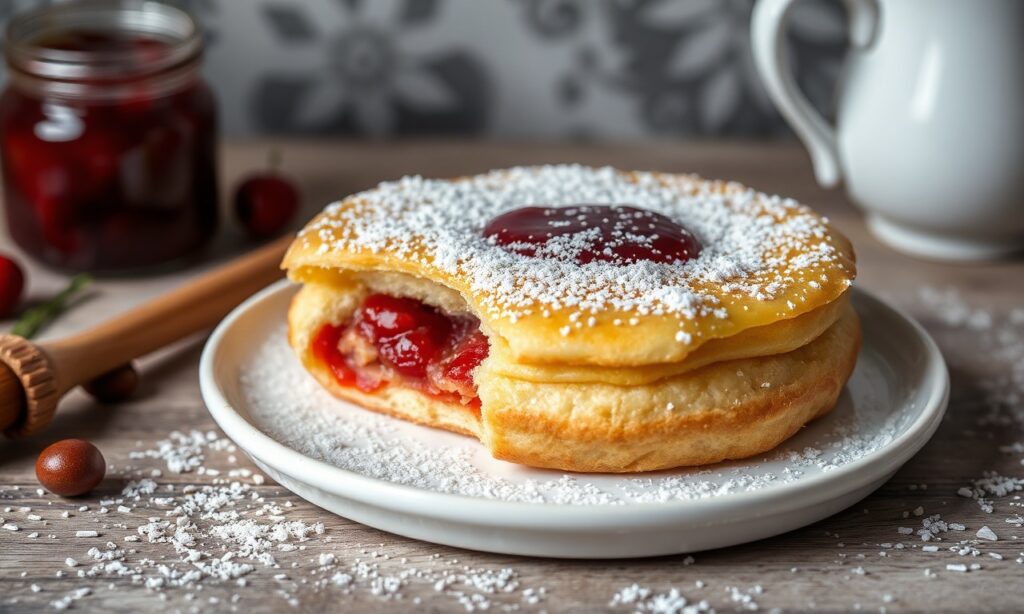
Around Perfect Homemade, Present these jam-filled gems on a rustic wooden platter lined with parchment paper for a cozy, inviting vibe. Accompany with a light dusting of powdered sugar and a few fresh berries for a pop of color. Pair with a cup of fragrant black tea or freshly brewed coffee to balance the sweet richness. Garnish with edible flower petals or a sprig of fresh mint to elevate visual appeal for special occasions.
| Nutrient | Per Serving |
|---|---|
| Calories | 250 kcal |
| protein | 5 g |
| Carbohydrates | 38 g |
| Fat | 8 g |
Regarding Perfect Homemade, For further inspiration on German pastries and dough techniques, explore our comprehensive guide to German baking. To understand more about yeast fermentation science, visit this trusted Wikipedia article on yeast.
Q&A
Q&A: Perfect Homemade Berliner Pfannkuchen: Jam-Filled Delights
When it comes to Perfect Homemade, Q1: What exactly is a berliner Pfannkuchen?
A1: A Berliner Pfannkuchen, frequently enough simply called a Berliner, is a traditional German pastry that looks like a plump, round doughnut without a hole. It’s deep-fried until golden brown and typically filled with luscious jam or other sweet fillings, then dusted with powdered sugar—a true delight for any sweet tooth.
In the context of Perfect Homemade, Q2: How did the Berliner Pfannkuchen get its name?
A2: The name “Berliner Pfannkuchen” literally translates to “Berlin pan cake,” referencing its origins in the German capital. Interestingly, the pastry’s name varies regionally-some areas just call it “Berliner,” while others might use terms like “Krapfen.” Despite the different names, the jam-filled sweetness stays the same.
Around Perfect Homemade, Q3: What types of jam are traditionally used in a Berliner?
A3: Classic fillings for Berliners include fruity favorites like raspberry, strawberry, or apricot jam. These jams provide a burst of tart sweetness that contrasts beautifully with the rich dough. Creative bakers have even experimented with exotic fillings such as plum, cherry, or elderberry preserves, each adding its own unique twist.
Regarding Perfect Homemade, Q4: How is the dough for Berliner Pfannkuchen different from regular doughnuts?
A4: The dough is a prized secret! It’s enriched with eggs, milk, and butter, creating a soft, fluffy texture that’s light yet substantial. Unlike some doughnuts that use yeast or baking powder exclusively, Berliners rely on yeast for that perfect rise and pillowy bite, making them irresistibly tender inside with a slightly crisp exterior.
When it comes to Perfect Homemade, Q5: Are Berliners always deep-fried?
A5: Traditionally, yes-the dough balls are carefully deep-fried in hot oil until they puff up and turn golden brown. This method gives Berliners their signature texture: crispy outside with a tender, airy inside. However, some modern recipes experiment with baking for a slightly healthier twist, though purists argue that deep frying is essential for authentic flavor and texture.
In the context of Perfect Homemade, Q6: When do Germans traditionally enjoy Berliners?
A6: Berliners enjoy a starring role in celebrations like New Year’s Eve and Carnival (Fasching). Their festive sweetness and joyful appearance make them ideal treats for parties and special occasions. Of course, their irresistible taste means they’re also enjoyed year-round in bakeries across Germany.
Q7: Can you make berliner Pfannkuchen at home?
A7: Absolutely! While the process requires patience-waiting for the dough to rise and careful frying-making Berliners at home is rewarding. With a little culinary love, you can create these jam-filled delights fresh from your kitchen. The key is mastering the dough’s texture and timing the frying just right to achieve that golden perfection.
Q8: What’s the best way to serve a berliner?
A8: Serve Berliners fresh and slightly warm to ensure the jam inside is still soft and the dough is tender. A dusting of powdered sugar on top adds the perfect sweet finish. They pair wonderfully with a cup of tea or coffee for a cozy afternoon indulgence.
Q9: Are there any fun variations of Berliners beyond jam?
A9: Yes! Some bakers fill Berliners with creamy custards, vanilla cream, or chocolate ganache for a decadent twist. Others experiment by adding lemon curd or fresh fruit fillings. The possibilities are endless-each variation offering a new “sweet secret” to discover.
Q10: What makes Berliner Pfannkuchen so universally beloved?
A10: Their combination of a soft, airy dough with sweet, flavorful fillings creates a comforting treat that feels both indulgent and nostalgic. Whether enjoyed at a festive celebration or as an everyday pleasure, Berliners embody the joy of simple, well-crafted sweets that warm the heart-and the palate.
Wrapping Up
As the enticing aroma of berliner Pfannkuchen fades into memory, their sweet secrets linger on-reminding us that behind every golden, jam-filled bite lies a rich tradition of joy, craftsmanship, and indulgence. Whether enjoyed at a bustling carnival or savored quietly at home, these delightful treats continue to connect past and present, inviting us all to unwrap a little happiness with each sugary explosion. So next time you find yourself craving a taste of history wrapped in dough and jam, remember the Berliner Pfannkuchen-not just as a pastry, but as a flavorful story waiting to be discovered.
See also: Perfect Homemade