

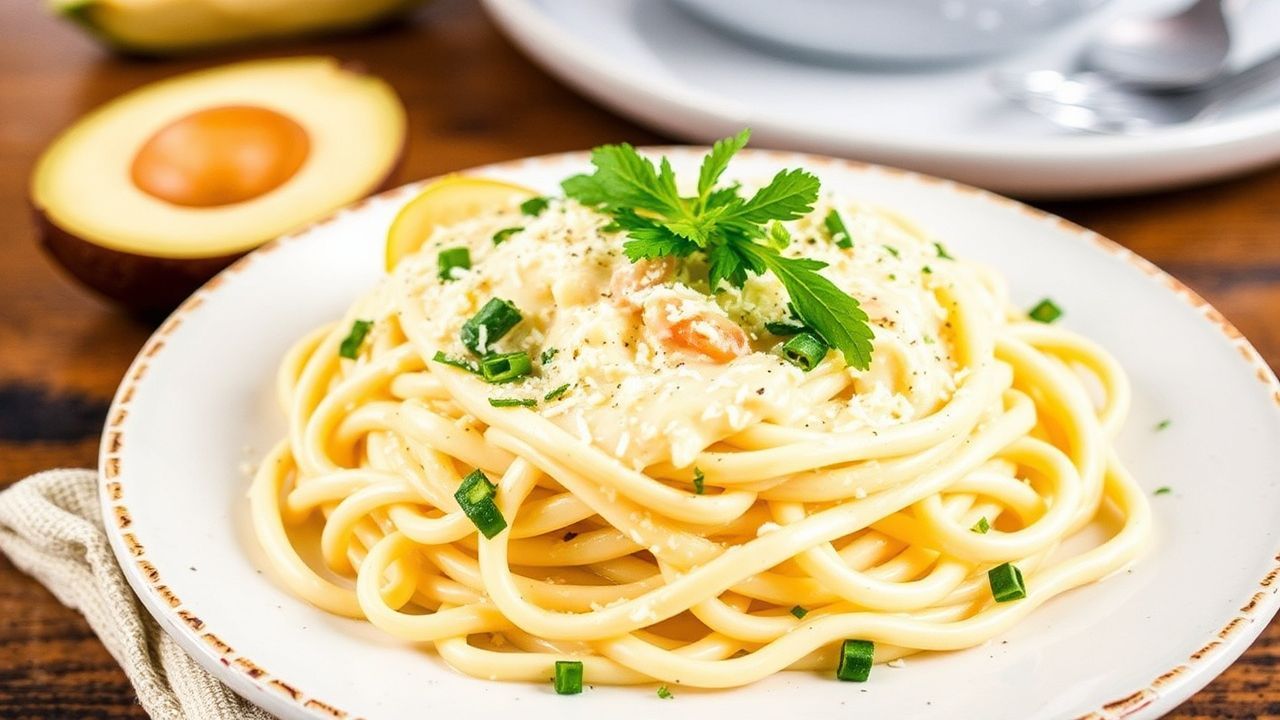
When hunger calls and time runs short, a creamy fettuccine Alfredo can still feel special. This 20-Minute Fettuccine Alfredo recipe delivers a smooth Parmesan sauce with quick, practical steps—so you get comfort on the table fast.
- 20-Minute Fettuccine Alfredo at a Glance
- Prep and Cook Time
- Yield
- Difficulty Level
- Ingredients for Richness and Flavor
- Step-by-Step Guide to a Smooth Alfredo
- 1) Cook the Pasta and Reserve Water
- 2) Sauté Garlic in Butter
- 3) Simmer Cream and Milk
- 4) Melt Parmesan Gradually
- 5) Tune the Texture with Pasta Water
- 6) Season and Serve
- Expert Tips to Elevate Your Alfredo
- Serving Suggestions
- Nutrition and Portions (Quick Estimate)
- FAQ
- Ready in 20 minutes by timing pasta and sauce together.
- Silky texture comes from fresh Parmesan + pasta water.
- Balanced richness uses cream and milk for a lighter finish.
- Fewer mistakes happen when heat stays moderate while cheese melts.
This version keeps the classic idea—buttery flavor, creamy body, and a glossy coat on every strand. You’ll use simple ingredients and proven cooking logic, not shortcuts that risk a broken sauce.
20-Minute Fettuccine Alfredo at a Glance
If you want a fast weeknight pasta that tastes restaurant-level, this is built for you. You can move from boiling water to a finished, silky sauce in one smooth workflow.
Alfredo sauce relies on emulsifying fats with cheese and starch. When you reserve pasta water and add Parmesan gradually, the sauce thickens without becoming grainy.
Prep and Cook Time
Plan around the timeline so your sauce stays warm when the pasta finishes. While pasta cooks, you’ll build the sauce in a single skillet.
- Readiness: 5 minutes
- Cooking: 15 minutes
- Total Time: 20 minutes
Yield
This recipe makes 4 generous portions. It works well for dinner with leftovers, or for serving guests who want seconds.
If your pasta water runs low, keep extra on hand. Extra pasta water helps loosen and re-emulsify the sauce at the end.
Difficulty Level
Easy—even if you haven’t mastered creamy sauces yet. The method uses basic heat control and a simple “add, melt, adjust” approach.
Keep the burner at a steady medium-low. Then stir often when the cheese goes in so the sauce stays smooth.
Ingredients for Richness and Flavor
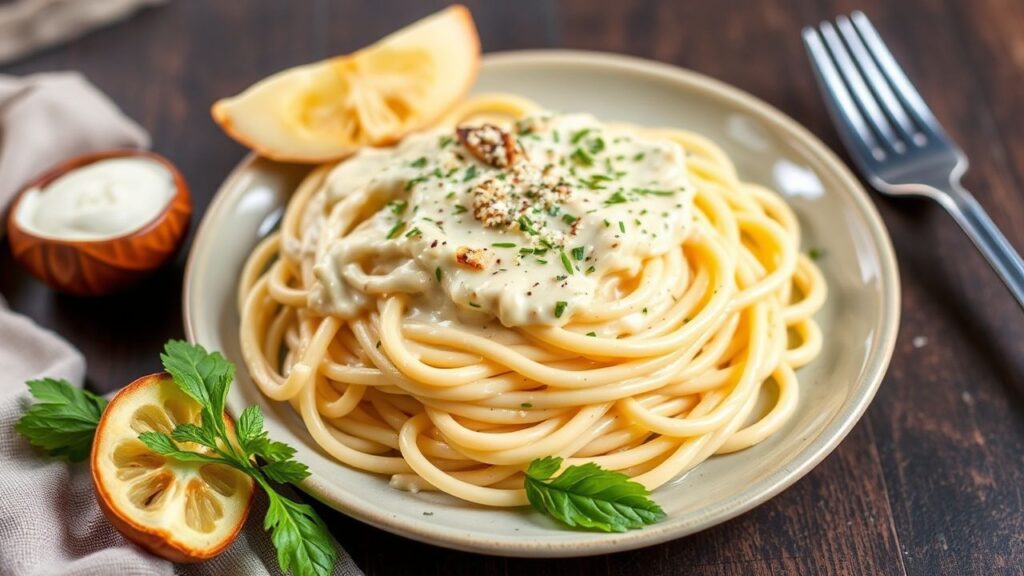
The quality of Alfredo depends on two parts: fat and cheese. For the silkiest result, use good Parmesan and fresh dairy that tastes clean.
Parmesan is a hard, aged cheese with strong umami and salty depth. For background on the cheese you’re using, see Parmesan cheese.
Core Ingredients
- 12 oz fettuccine pasta (fresh or dried)
- 4 tbsp unsalted butter, cubed
- 1 ½ cups cream + milk mixture (3/4 cup each for balanced richness)
- 1 ½ cups freshly grated Parmesan
- 2 cloves garlic, finely minced
- Salt, to taste
- Freshly ground black pepper, to taste
- Fresh parsley, finely chopped (optional)
Why These Choices Work
Freshly grated Parmesan melts faster and more evenly than shelf-stable pre-shredded cheese. That difference matters for a smooth, lump-free sauce.
You can learn more about the pasta format here: Fettuccine. The wide ribbon shape holds sauce well, which is key for a glossy Alfredo coating.
Step-by-Step Guide to a Smooth Alfredo
Work in sequence so your sauce and pasta finish close together. That timing helps the sauce cling and stay creamy instead of thickening too much in the pan.
Also, reserve pasta water before you drain. Pasta water contains starch, which helps emulsify the butter and cheese into a silky texture.
1) Cook the Pasta and Reserve Water
- Boil: Bring a large pot of salted water to a rolling boil.
- Cook: Add fettuccine and cook to al dente, usually 10–12 minutes for dried pasta.
- Reserve: Scoop out 1 cup pasta water before draining.
Starch in the water helps the sauce thicken smoothly. If you want a reference on starch in cooking, see starch.
2) Sauté Garlic in Butter
- Sauté: In a large skillet, melt butter over medium-low heat.
- Garlic: Add minced garlic and stir until fragrant, about 45–60 seconds.
Stop before the garlic browns. Browning can create bitterness that fights Parmesan’s nutty sweetness.
3) Simmer Cream and Milk
- Add dairy: Pour in the cream + milk mixture.
- Simmer: Bring it to a gentle simmer and stir for 3–4 minutes, until slightly thick.
A gentle simmer gives you a base that thickens once Parmesan dissolves. This also lets the dairy taste richer without becoming heavy.
4) Melt Parmesan Gradually
- Lower heat: Reduce heat to low.
- Whisk in cheese: Add Parmesan gradually while whisking or stirring constantly.
This step builds the emulsion. When cheese melts evenly, the sauce becomes glossy rather than patchy.
5) Tune the Texture with Pasta Water
- Adjust: Add reserved pasta water a splash at a time.
- Coat: Toss until the sauce clings to pasta and looks silky.
When you see a smooth sheen on the noodles, you’re done. If it feels thick, loosen with one more splash of water.
6) Season and Serve
- Season: Add salt and pepper to taste.
- Combine: Toss drained fettuccine into the sauce and fold gently until coated.
Serve right away for best texture. Alfredo thickens as it rests, so fast serving keeps it luxuriously creamy.
Expert Insight: Grate Parmesan fresh and keep it dry and fine. Fine shreds melt faster, which supports a smooth emulsion and cuts the odds of grainy texture.
Expert Tips to Elevate Your Alfredo
Once you master the base recipe, you can customize flavor with low-effort upgrades. Choose one or two additions so the sauce still feels silky.
For classic Italian flavor logic, Parmesan pairs well with garlic and herbs because each ingredient supports a clear savory profile. If you want broader context on Italian cuisine techniques, reference Italian cuisine.
Flavor Add-Ons That Stay Smooth
- Mascarpone touch: Add 2–3 tablespoons for extra creaminess.
- Truffle oil: Use a tiny drizzle at the end to avoid overpowering.
- Toasted pine nuts: Sprinkle on top for crunch without mixing in.
- Herb lift: Add parsley for freshness and color.
Texture and Sauce Stability
- Don’t boil after cheese: Stir on low to prevent separation.
- Starch is your tool: Pasta water helps the sauce emulsify.
- Serve hot: Warm bowls help keep the sauce creamy.
These steps keep your Alfredo glossy and cohesive. You’re building a sauce you can repeat, not a one-time lucky batch.
Serving Suggestions
Serve Alfredo in warmed shallow bowls. That small move helps the sauce stay fluid enough to coat pasta without thickening too fast.
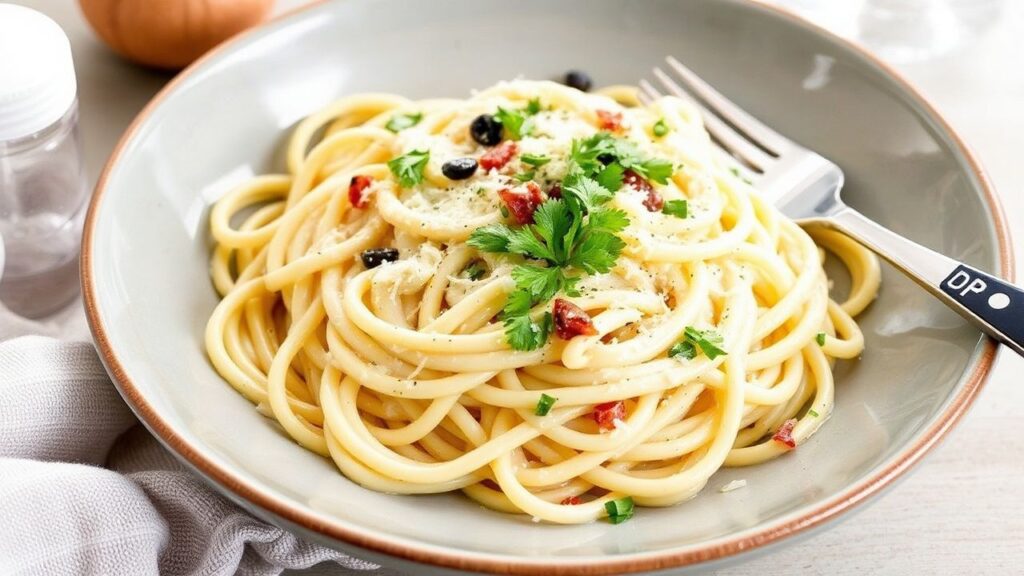
Finish with black pepper and parsley. If you pair it with a salad or vegetables, aim for crisp, lightly seasoned sides to balance the richness.
Simple Pairings
- Green salad: Lemony vinaigrette cuts through creaminess.
- Steamed broccoli: Mild bitterness balances Parmesan.
- Roasted asparagus: Char adds depth.
If you want a refresher on the culinary role of pasta shapes, see Pasta. Pairing matters because sauce cling depends on surface texture and thickness.
Nutrition and Portions (Quick Estimate)
Calories can vary based on pasta brand, Parmesan amount, and how much sauce you coat onto each serving. Use this as a practical estimate for portion planning.
Heavy cream and extra cheese increase calorie load quickly, so this recipe’s “balanced richness” approach helps keep it flavorful without going overboard.
| Nutrient | Per Serving |
|---|---|
| Calories | 550 kcal |
| Protein | 22 g |
| Carbohydrates | 55 g |
| Fat | 28 g |
FAQ
Why does my Alfredo turn grainy?
Graininess usually comes from overheating after adding cheese or adding Parmesan too fast. Keep the heat low, stir constantly, and melt Parmesan gradually so it emulsifies smoothly.
Can I use pre-shredded Parmesan?
You can, but the sauce may feel less smooth. Pre-shredded cheese often includes anti-caking agents that slow melting. Freshly grated Parmesan gives the best silky texture.
How do I make it thicker or thinner?
To thicken, simmer gently for 30–60 seconds while stirring. To thin, add reserved pasta water a splash at a time until the sauce coats the noodles.
What if I don’t have fettuccine?
You can use linguine, tagliatelle, or even pappardelle. Cook to al dente and toss well so the sauce clings to the pasta shape.
How should I store leftovers?
Store leftovers in airtight containers and refrigerate within two hours. Reheat gently with a splash of milk or cream, then toss with warm pasta if needed to restore a creamy texture.
See also: Fettuccine Alfredo