
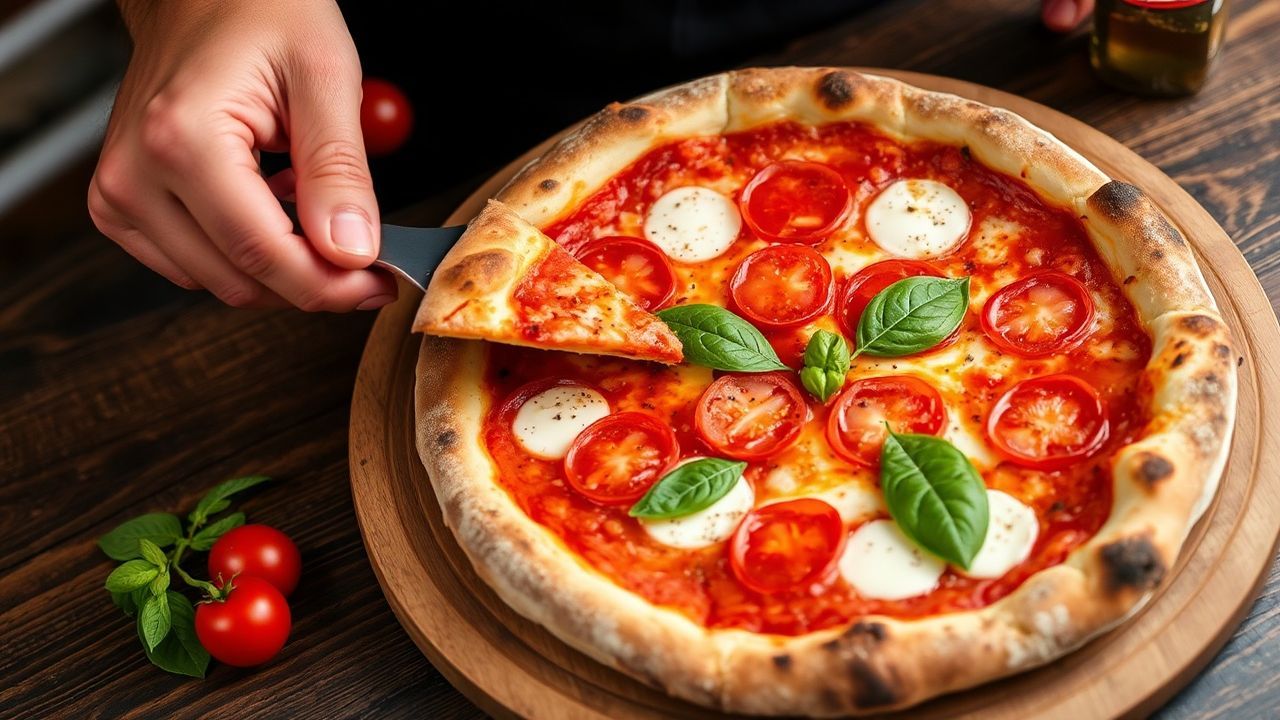
There is real magic in simplicity, and few dishes prove it like a classic Margherita pizza. Born in Naples, this pie balances three essentials—dough, tomato, and mozzarella—then finishes with basil and olive oil.
- Selecting the Finest Ingredients for Margherita Pizza Authenticity
- Mastering Dough Readiness and Cold Fermentation
- Achieving Ideal San Marzano Tomato Sauce Balance
- Baking Techniques for a Crispy Crust and Melted Mozzarella
- Prep and Cook Time
- Yield
- Difficulty Level
- Ingredients
- Instructions (10 Steps)
- Chef’s Notes & Tips for Success
- Serving Suggestions
- Q&A: Margherita Pizza (Neapolitan-Style) Essentials
- What makes a Margherita pizza truly authentic?
- How do I get the right dough texture for a Margherita pizza?
- Can I use any tomatoes for the sauce?
- Why does my crust get soggy?
- How hot should my oven be for a Margherita pizza?
- The Way Forward
- Use 00 flour and a long cold fermentation for the right crust texture.
- Choose San Marzano tomatoes for a sweet, low-acid sauce.
- Build lightly: thin sauce, drained mozzarella, fast bake.
- Finish after baking to keep basil aroma bright.
To craft the perfect authentic Margherita pizza, you do more than follow a list of ingredients. You use proven Neapolitan pizza logic: control hydration, manage fermentation time, and reach high heat so the crust blisters instead of steams.
In practice, this means you shape for airflow, spread sauce thinly to avoid sogginess, and bake fast enough to char the rim. Whether you cook once a month or you chase consistency every week, you can reproduce the iconic bite with the right method.
Selecting the Finest Ingredients for Margherita Pizza Authenticity
The ingredients set your ceiling. If your flour, tomatoes, or mozzarella falls short, you will notice it in texture and flavor even with great technique.
Start with Italian “00” flour. It gives you a silky dough that stretches well and supports the light, airy structure typical of Neapolitan style. For sauce, use San Marzano tomatoes so the flavor stays sweet and clean. Learn how tomato varieties differ in acidity and sweetness via tomato background.
For cheese, pick fresh buffalo mozzarella from Campania when possible. Buffalo mozzarella releases moisture differently than lower-fat blends, and that affects melting. If you want deeper context on what makes mozzarella distinct, see mozzarella.
Use extra virgin olive oil with a grassy, fresh profile. A final drizzle adds volatile aromas that you lose if you cook oil too long. Basil also matters, and fresh leaves added after baking protect aroma; this is consistent with how culinary herbs behave (see basil).
Finally, avoid ingredient overload. Margherita pizza stays minimal so each component reads clearly on the palate.
Mastering Dough Readiness and Cold Fermentation
Dough turns simple toppings into an iconic Margherita pizza because fermentation builds flavor and structure. Your goal is dough that stretches without tearing and bakes into a thin, airy base with charred spots.
Begin by hydrating yeast in lukewarm water. Then mix with sifted 00 flour and fine salt until the dough forms a cohesive mass. Knead until smooth and elastic; you should feel it tighten as gluten develops. Dough consistency should be tacky, not sticky.
Next comes the key step: slow cold fermentation for 24 to 48 hours. That time window supports enzymatic activity that improves flavor and helps the dough relax for stretching. For general fermentation background, review fermentation.
After chilling, bring the dough back toward room temperature before shaping. Cold dough fights stretching and can tear, which ruins the thin center. Room-temp dough also helps you maintain airflow while you form the rim.
Achieving Ideal San Marzano Tomato Sauce Balance
The sauce should taste like tomatoes first. In an authentic Margherita pizza, sauce never competes with mozzarella or basil.
Use whole peeled San Marzano tomatoes and crush them by hand. Do not cook or strain them, because heat and reduced liquid change the flavor and texture. Keep seasoning minimal: a pinch of sea salt and a small drizzle of olive oil. This approach stays true to the “less, better” principle behind Neapolitan tomato sauce.
Also control sauce thickness. A watery sauce spreads outward and creates a steam layer that softens the crust. Aim for a spoonable puree that holds shape briefly when spread. For nutrition and flavor drivers in tomatoes, the tomato page gives helpful basic context.
Pro-Caution: Avoid garlic, oregano, or sugar if you want the classic balance. Those flavors can overpower basil and blur the tomato–mozzarella harmony.
Once assembled, the sauce layer should stay thin enough to let the dough bake through. Think “coverage,” not “topping thickness.”
Baking Techniques for a Crispy Crust and Melted Mozzarella
Baking makes or breaks the Margherita pizza experience. You need intense heat and a fast bake so dough sets quickly and cheese melts without drying out.
If you have a pizza stone or steel, preheat it for at least 45 minutes at your oven’s highest safe setting. High surface temperature creates leopard spotting and a blistered rim. This effect depends on heat transfer, which you can understand through heat transfer basics.
Stretch dough to about 10 inches, leaving a thicker rim for puffing. Skip a rolling pin. You want preserved air so the crust rises with lightness rather than turning dense.
Spread sauce thinly, then tear drained buffalo mozzarella into small chunks. Drain well and pat to limit extra surface moisture. Excess moisture creates steam, and steam softens the crust.
[TIP]Expert Insight: When you test your bake, watch the crust edges first. If the rim puffs and spots within the first few minutes, your oven temperature and stone preheat likely work. Adjust only one variable at a time—heat or bake time—so you know what changed.
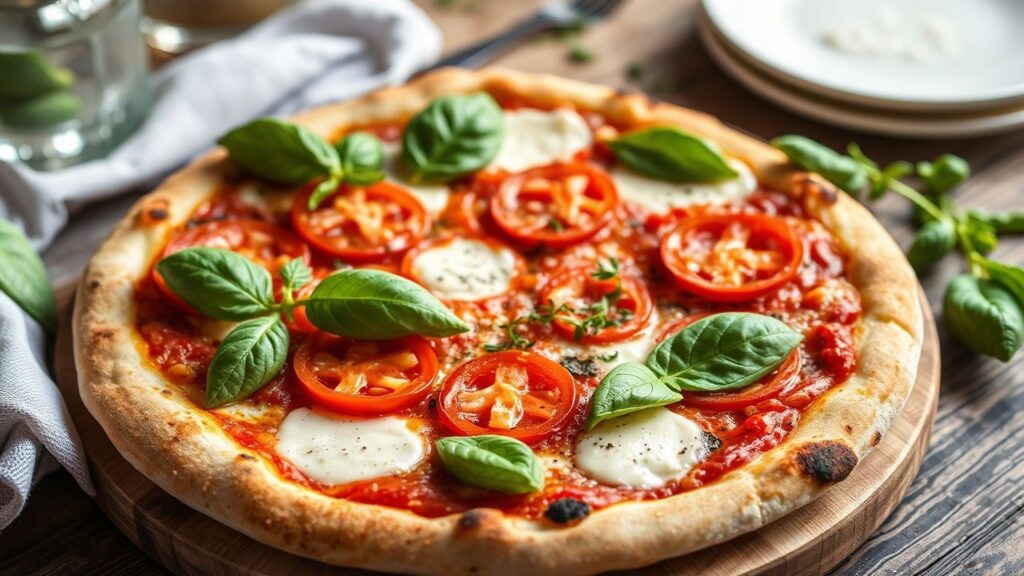
Bake about 7 to 10 minutes, depending on your oven. Pull the pizza when the crust looks set and the cheese shows golden patches. Then finish with fresh basil leaves and a final drizzle of extra virgin olive oil for aroma.
Prep and Cook Time
Plan for dough time first. Fermentation takes most of the work, and the oven time stays short.
- Prep Time: 25 minutes
- Fermentation Time: 24–48 hours (inactive)
- Cook Time: 7–10 minutes
Yield
This method works best for small batches when you want consistent shaping and fast baking.
Serves: 2–3 people (1 large pizza or 2 smaller 10-inch pizzas)
Difficulty Level
The process requires patience, not special gadgets. Your success depends on timing, dough feel, and oven readiness.
Difficulty: Medium—rewarding for home cooks who track fermentation and preheat time.
Ingredients
Use quality ingredients and keep the list short. Margherita pizza stays faithful to a few core flavors.
- 500 g Italian “00” flour, sifted
- 325 ml lukewarm water (about 75°F/24°C)
- 2 tsp fine sea salt
- 1 tsp active dry yeast
- 400 g San Marzano whole peeled tomatoes, crushed by hand
- 200 g fresh buffalo mozzarella, torn into small chunks
- Extra virgin olive oil, for drizzling
- Fresh basil leaves, for finishing
Instructions (10 Steps)
Follow each step in order. Each one protects texture and flavor so the final Margherita pizza tastes balanced.
- Activate yeast: Dissolve yeast in lukewarm water. Wait 5 minutes until foamy.
- Mix dough: Combine 00 flour and salt. Add yeast water and stir until dough forms.
- Knead: Knead by hand 8–10 minutes until smooth, elastic, and slightly tacky.
- First rise (cold): Place dough in a lightly oiled bowl, cover, and refrigerate 24–48 hours.
- Crush tomatoes: Crush San Marzano tomatoes by hand with sea salt and a drizzle of olive oil.
- Warm before shaping: Remove dough 1.5–2 hours before baking to relax it.
- Preheat oven: Preheat with a stone or steel for at least 45 minutes at max temperature.
- Shape: Stretch dough to 10 inches with a thicker rim. Avoid rolling pin.
- Assemble: Spread a thin sauce layer. Tear drained mozzarella over the top.
- Bake and finish: Bake 7–10 minutes until crust spots and cheese bubbles. Add basil and oil after baking.
Chef’s Notes & Tips for Success
Small adjustments can improve consistency without changing the classic identity of Margherita pizza.
- Flour swap: If you can’t get 00 flour, use all-purpose flour, but expect a slightly different dough feel.
- Mozzarella moisture: Drain and pat dry to reduce steam under the cheese.
- Fermentation: Longer cold fermentation generally improves flavor, but do not overproof beyond your schedule.
- Oven workaround: If you lack a stone, preheat an inverted heavy baking sheet on the middle rack.
- Make-ahead sauce: Refrigerate sauce up to 2 days. Stir before using.
[TIP]Expert Insight: Keep a quick log: dough weight, fermentation hours, oven max temp, and bake time. After 2–3 tries, you’ll predict your best results with less guesswork.
Serving Suggestions
Serve immediately for the best Margherita pizza experience. Heat loss reduces crust crispness and changes mozzarella melt.
Garnish with basil leaves right before slicing. Pair with a simple arugula salad dressed with olive oil and lemon. For a light drink pairing, choose something crisp and non-sweet to keep tomato and basil flavors clean.
For more Italian meal pairing ideas, use internal guidance like classic Italian Pasta Recipes. For store-bought basil or olive oil quality checks, revisit basic herb handling via herbs background.
Q&A: Margherita Pizza (Neapolitan-Style) Essentials
Quick answers help you fix the most common issues fast. Use these to troubleshoot texture, flavor, and bake performance.
What makes a Margherita pizza truly authentic?
Authentic Margherita pizza relies on a thin Neapolitan-style crust, fresh San Marzano tomato sauce, buffalo mozzarella, basil leaves, and extra virgin olive oil. Keep toppings minimal so each flavor stays clear and balanced.
How do I get the right dough texture for a Margherita pizza?
You need elastic dough from proper kneading plus relaxed gluten from long cold fermentation. Also bring dough to room temperature before shaping so it stretches without tearing.
Can I use any tomatoes for the sauce?
You can, but you won’t match the classic flavor. San Marzano tomatoes bring a sweet profile and low acidity that works well with mozzarella; this is consistent with general tomato flavor behavior explained in tomato references.
Why does my crust get soggy?
Sogginess usually comes from watery sauce, overly wet mozzarella, or insufficient oven heat. Spread sauce thinly, drain mozzarella well, and preheat the stone or steel long enough to bake quickly.
How hot should my oven be for a Margherita pizza?
Home ovens vary, but use the highest safe setting and preheat your baking surface for at least 45 minutes. Higher surface temperature improves blistering and crust setting, which relates to basic heat transfer.
[WARNING]Pro-Caution: Don’t exceed your oven’s maximum rated temperature, and avoid thermal shock to stones. Let the stone come up to heat with the oven, not from sudden changes.
The Way Forward
Your best Margherita pizza comes from small, repeatable habits: quality ingredients, controlled fermentation, thin sauce, and a fast, hot bake. When those factors align, the crust turns light and the toppings taste fresh rather than heavy.
As you refine your process, focus on what you can measure: fermentation hours, dough feel, sauce thickness, and bake timing. That approach keeps results consistent and helps you recreate the Naples character in your own kitchen.
For reference on mozzarella and cheese basics, you can revisit mozzarella and for fermentation fundamentals, check fermentation. Then run your next bake with one small improvement and one clear goal.
When the first slice lands on the plate, you’ll taste the difference. Enjoy the balance—crust char, tomato brightness, creamy melt, and basil aroma—then share it while it’s at peak heat.
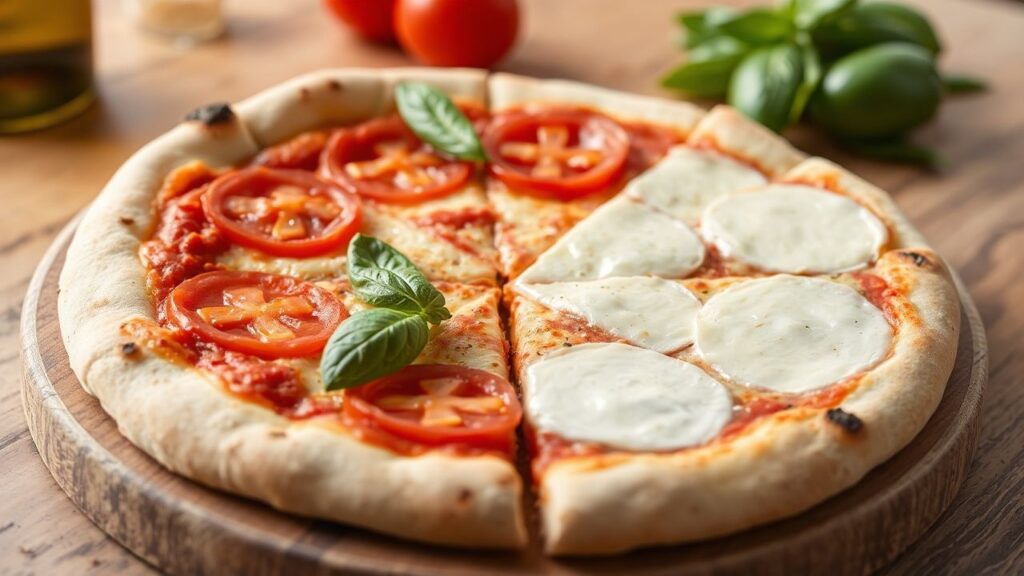
Serving note: If you want to extend the meal, pair with a light side and keep the main focus on the Margherita pizza. For more complementary ideas, see internal resources such as classic Italian Pasta Recipes.
| Nutrient | Per Serving |
|---|---|
| Calories | 560 kcal |
| Protein | 22 g |
| Carbohydrates | 70 g |
| Fat | 18 g |
For background on herbs and freshness, review herb science. Then finish your next bake with basil right after it comes out of the oven.
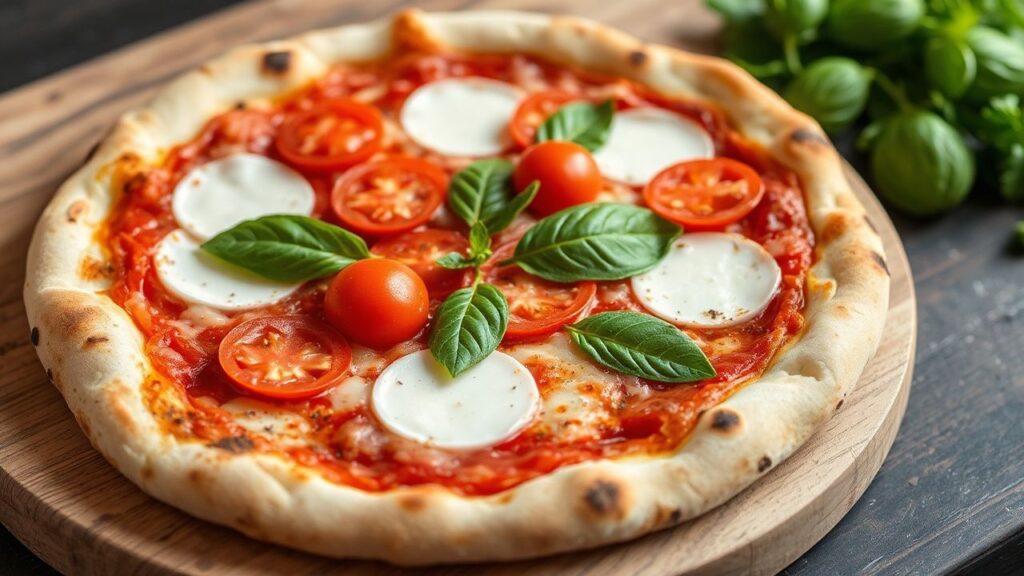
See also: Margherita pizza