
Introduction
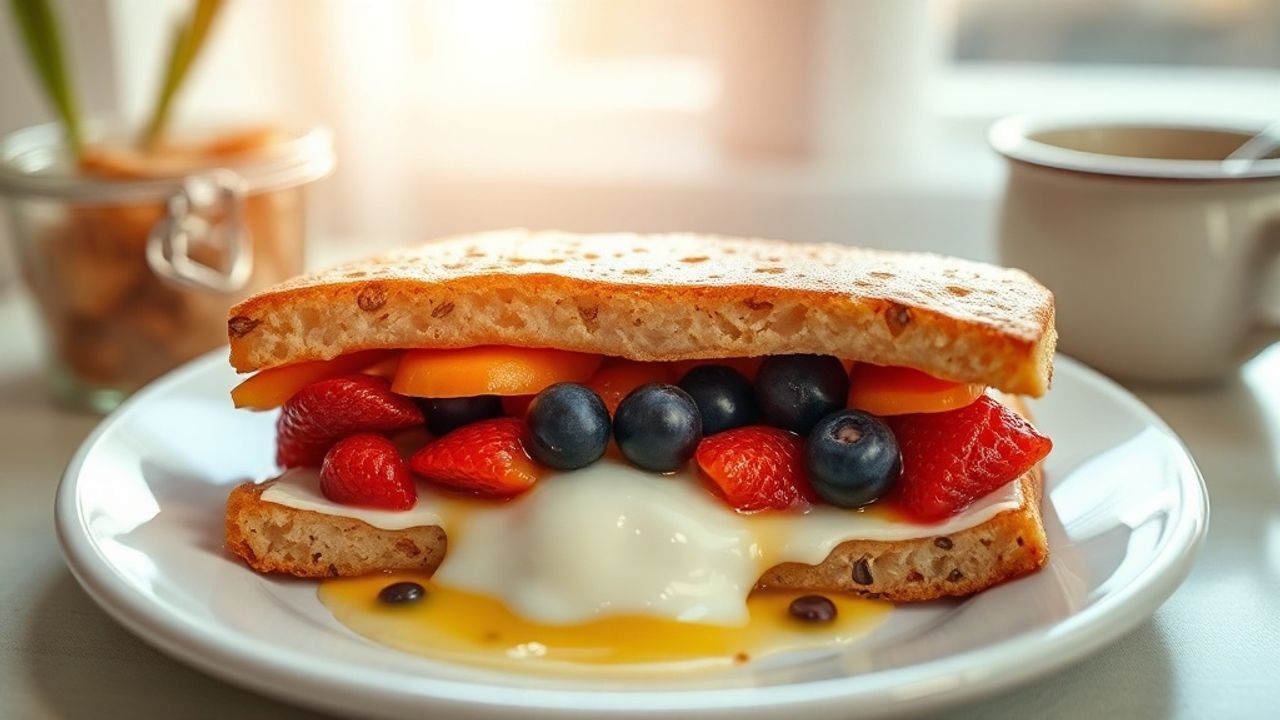
Breakfast Recipes shape morning energy and mood. A reliable set of quick, nutritious recipes makes it simple to start each day well.
- Introduction
- Why these Breakfast Recipes work
- Superfood Power Smoothie Bowl
- Seven Simple Templates for Morning Rotation
- Quick Tips for Preparing Nutritious Meals Ahead
- Nutrition Considerations
- Q&A
- Q1: Why prioritize a structured breakfast?
- Q2: What defines an ‘easy’ breakfast recipe?
- Q3: Can these recipes fit restricted diets?
- Q4: How do I keep preparation sustainable?
- In Summary
- FAQ
These recipes focus on balanced macronutrients, fast prep, and flavor. They aim to fit both rushed schedules and relaxed mornings with minimal compromise.
- Quick wins: seven simple breakfast templates you can rotate.
- Prep smart: make-ahead steps to save time without losing nutrition.
- Adaptable: substitutions for vegan, gluten-free, and dairy-free needs.
Why these Breakfast Recipes work
Good breakfast choices combine protein, healthy fats, and complex carbs to sustain energy. That balance reduces mid-morning hunger and supports steady focus.
Evidence-based nutrition principles guide these recipes, emphasizing fiber, whole grains, and minimally processed ingredients. These choices improve satiety and nutrient density.
For a concise overview of the meal context, see breakfast on Wikipedia.
Superfood Power Smoothie Bowl
This Superfood Power Smoothie Bowl is a practical example among the breakfast recipes. It blends frozen fruit, yogurt or plant milk, and nutrient-dense add-ins for a ready-to-eat bowl.
The bowl scales well for two servings and packs fiber, antioxidants, and moderate protein. It works for grab-and-go mornings when you portion it into jars the night before.
Prep and Cook Time
Preparation: 10 minutes. Total: about 10 minutes when ingredients are prepped. No cooking required.
This recipe relies on frozen fruit and chilled dairy or plant yogurt to deliver a thick, spoonable texture without ice. That preserves flavor intensity.
Yield and Difficulty
Serves 2 and rates as easy for most home cooks. Simple equipment like a blender and bowls are all you need.
Adjust thickness with extra milk for pourable smoothie bowls or less liquid for spoonable bowls. Texture control is a key tip for consistent results.
Ingredients
Core: 1 cup frozen mango chunks, 1 frozen banana, 1/2 cup plain Greek yogurt (or coconut yogurt), 1/2 cup unsweetened almond milk.
Add-ins: 1 tbsp chia seeds, 1 tbsp honey or maple syrup, 1/2 tsp spirulina (optional), 1/2 cup fresh berries, 2 tbsp granola, 1 tbsp sliced almonds, fresh mint for garnish.
For background on common add-ins, consult smoothie information.
Instructions
1) Combine frozen mango, banana, yogurt, almond milk, honey, and optional spirulina in a high-speed blender. Blend until smooth and spoonable.
2) Adjust consistency with a splash more milk if needed. Divide into bowls, then top with berries, chia seeds, granola, and almonds. Serve immediately.
Chef’s Notes
Substitute plant-based yogurt and maple syrup for a vegan bowl. Use frozen fruit to maintain thickness without diluting flavor with ice.
Prepare the base the night before and store it chilled; a quick re-blend freshens texture. Add crunchy toppings just before serving for contrast.
Serving Suggestions
Present the bowl in a shallow dish to show color contrasts and textures. Pair it with a warm tea or coffee, depending on preference.
To take it on the go, pack the base and toppings separately and assemble just before eating. This preserves crunch and visual appeal.
Seven Simple Templates for Morning Rotation
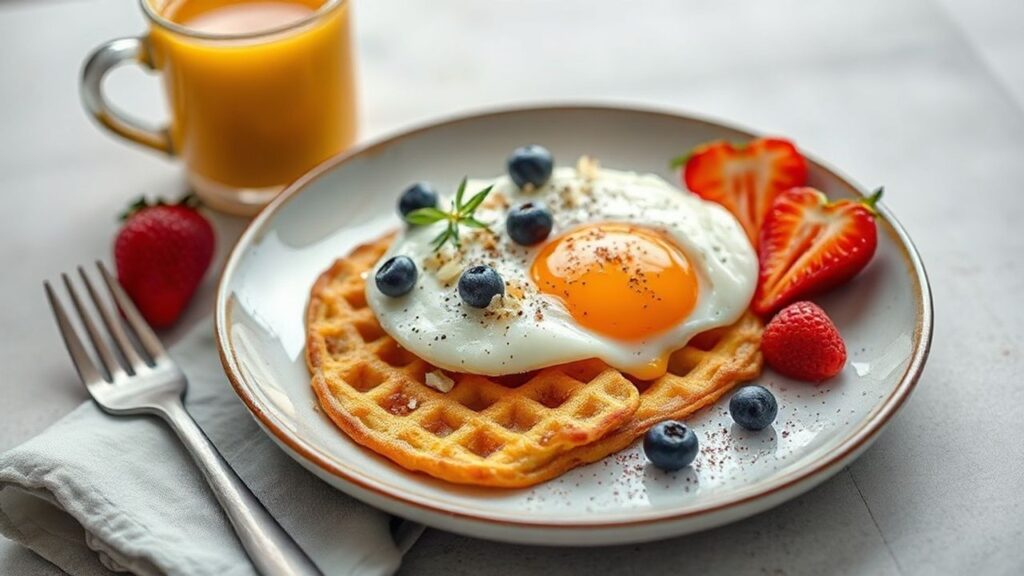
Rotate these breakfast recipes through the week to keep variety high and prep low. Each template can be prepped in batches or assembled in minutes.
Examples include overnight chia pudding, savory egg muffins, avocado toast with seeds, yogurt parfaits with fruit, whole-grain pancakes, quick grain bowls, and the Superfood Smoothie Bowl above.
Overnight Chia Pudding
Mix chia seeds with milk or milk alternative and a touch of sweetener; refrigerate overnight. In the morning, stir and top with fruit or nuts.
Chia offers soluble fiber and omega-3s; learn more about the seed at chia seed.
Savory Egg Muffins
Whisk eggs with diced vegetables and cheese, pour into a muffin tin, and bake. Store in the fridge and reheat individual portions.
These muffins supply protein and veggies with minimal effort and improve make-ahead breakfast compliance.
Quick Tips for Preparing Nutritious Meals Ahead
Batch prep maximizes consistency. Assemble freezer packs with measured fruit and seeds, pre-portion oats, or bake a tray of egg muffins for several days.
Label containers with dates and contents to avoid waste. Keep staples like oats, nuts, and canned beans visible to streamline morning choices.
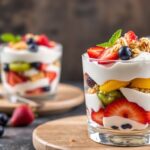
Small, actionable swaps protect nutrient goals. For example, replacing a sugary cereal with a yogurt parfait plus fruit and seeds retains convenience while improving nutrition.
Nutrition Considerations
These breakfast recipes emphasize fiber, lean protein, and healthy fats to stabilize blood glucose. That mix supports sustained energy and concentration through the morning.
For fundamentals on macronutrients and public guidance, refer to nutrition. Tailor portions to activity level and daily caloric needs.
Q&A
This Q&A addresses common practical questions about breakfast recipes and morning routine adoption. Answers aim to be direct and evidence-aligned.
Use these responses to refine choices that suit schedules, taste preferences, and dietary restrictions.
Q1: Why prioritize a structured breakfast?
A structured breakfast stabilizes energy and hunger hormones after an overnight fast. It helps maintain focus and reduces impulsive snacking before lunch.
Choosing protein and fiber-rich breakfast recipes prolongs satiety compared with sugar-heavy options.
Q2: What defines an ‘easy’ breakfast recipe?
Ease means minimal steps, few ingredients, and the option to prepare ahead. It should fit under a 15-minute window or be ready from the fridge.
Simple recipes that reuse core ingredients across multiple meals cut shopping complexity and speed production.
Q3: Can these recipes fit restricted diets?
Yes. Most templates adapt to vegan, gluten-free, or low-lactose needs by swapping bases and grains. Focus on whole-food replacements to retain nutrient content.
Examples: coconut yogurt for dairy-free, gluten-free oats for celiac-safe options, and beans or tofu for vegan protein alternatives.
Q4: How do I keep preparation sustainable?
Plan two to three core breakfasts per week and rotate toppings for variety. This reduces waste and simplifies shopping.
Use seasonal produce and freezer-friendly fruit to lower cost and maintain nutrient quality over time.
In Summary
Reliable breakfast recipes remove decision fatigue and supply consistent nourishment. Use templates like the Superfood Smoothie Bowl and overnight chia pudding to simplify mornings.
Small planning steps—batch prep, labeled portions, and protein-focused choices—yield measurable improvements in energy and routine adherence.
FAQ
How many breakfasts should I prep at once?
Prepare two to four days of breakfasts to balance freshness and convenience. Longer storage increases risk of quality loss, especially for items with fresh fruit.
Are smoothies good for weight control?
Smoothies can support weight control when they emphasize fiber and protein instead of high-sugar juices. Include protein and whole-food fibers to enhance satiety.
Is it better to eat or skip breakfast?
Most people benefit from a balanced breakfast to restore glycogen and sharpen concentration. Individual needs vary with metabolic differences and daily routines.
What quick swaps reduce calories without losing satisfaction?
Swap sweetened yogurt for plain yogurt plus fresh fruit, replace sugary granola with seeds and nuts, and favor whole fruit over fruit juice for fiber retention.
How can I add more vegetables to breakfasts?
Include sautéed greens in egg muffins, add grated zucchini to pancake batter, or blend mild-tasting vegetables into savory smoothies for stealth nutrition.
For additional reading on whole-grain ingredients, see granola and practical meal frameworks on breakfast and public guidance.
See also: Breakfast Recipes